May 20, 2026

Finance

Bitcoin and crypto exchanges have revolutionized the financial landscape, offering exciting opportunities and substantial risks. This exploration delves into the intricacies of these platforms, examining their functions, features, security considerations, and the broader regulatory landscape. We’ll unravel the process of buying Bitcoin, the diverse trading strategies, and the potential pitfalls associated with these powerful instruments.

Understanding the different types of crypto exchanges, from centralized to decentralized, is crucial. This exploration will illuminate the nuances of each, comparing security protocols, transaction speeds, and user experiences. We’ll also investigate the key features and functionality offered by popular platforms, such as trading tools, order types, and payment methods.

Introduction to Bitcoin and Crypto Exchanges

Bitcoin, the pioneering cryptocurrency, acts as a digital form of money, operating independently of central banks and traditional financial institutions. Its decentralized nature allows for peer-to-peer transactions, though this also presents security challenges. This digital asset has significantly impacted the financial landscape, influencing the growth of cryptocurrency exchanges.Crypto exchanges are online platforms that facilitate the buying, selling, and trading of cryptocurrencies like Bitcoin.

They provide a marketplace where users can interact with each other to execute transactions, introducing liquidity and facilitating market activity. This streamlined process for crypto trading has made it more accessible to a wider range of investors.

Bitcoin’s Role in the Cryptocurrency Market

Bitcoin’s unique design, based on blockchain technology, has made it a pivotal figure in the cryptocurrency market. Its limited supply and cryptographic security have established it as a benchmark for other cryptocurrencies. This pioneering status has spurred innovation in the cryptocurrency space.

Crypto Exchange Functionality

Crypto exchanges play a crucial role in facilitating transactions. They provide a secure platform for users to buy, sell, and trade cryptocurrencies. This includes various functionalities such as order matching, transaction processing, and managing user accounts. This facilitates efficient and transparent transactions, crucial for a growing market.

Types of Crypto Exchanges

Crypto exchanges can be categorized into centralized and decentralized exchanges. Centralized exchanges are operated by a third-party entity, whereas decentralized exchanges operate on a peer-to-peer basis.

  • Centralized exchanges (CEXs) operate under a central authority, offering user-friendly interfaces and readily available support. This central authority holds the keys to the users’ funds, a point of contention in security discussions.
  • Decentralized exchanges (DEXs) eliminate the intermediary by utilizing smart contracts, potentially reducing single points of failure and increasing user control. This comes at the cost of increased technical complexity for users.

Security Considerations for Crypto Exchanges

Security is paramount in the cryptocurrency market. Users must prioritize security measures when choosing and using a crypto exchange. Exchanges must adopt robust security protocols to protect user funds and prevent unauthorized access.

  • Security measures like multi-factor authentication (MFA) are essential to protect user accounts and prevent unauthorized access. MFA adds an extra layer of security, significantly reducing the risk of fraudulent activity.
  • Regular security audits and updates are crucial to mitigate vulnerabilities. These measures are vital in maintaining the integrity of the platform and protecting users’ assets.
  • Implementing secure cold storage solutions for cryptocurrency reserves is vital to maintain the security of funds.

Comparison of Centralized and Decentralized Exchanges

This table compares key features of centralized and decentralized exchanges.

Feature Centralized Exchange Decentralized Exchange
Security Generally managed by a third party, potentially vulnerable to hacks or fraud. Reliance on the exchange’s security protocols. Relies on smart contracts and blockchain technology, theoretically reducing the risk of single points of failure. Users manage their own keys.
Transaction Speed Typically faster due to the streamlined nature of the exchange’s architecture. Potentially slower due to the decentralized nature of the transactions. The speed depends on network congestion and blockchain confirmation times.
User Experience Generally user-friendly interfaces and support systems. Often requires more technical knowledge and understanding of blockchain technology.

Features and Functionality of Crypto Exchanges

Crypto exchanges are the digital marketplaces where users buy, sell, and trade cryptocurrencies. Understanding their features is crucial for navigating the cryptocurrency landscape. These platforms offer a range of tools and functionalities to cater to various trading styles and needs.Modern crypto exchanges have evolved significantly, providing users with sophisticated trading tools, a variety of order types, and diverse payment methods.

This allows for a streamlined and user-friendly experience, regardless of the user’s background or trading expertise.

Trading Tools Offered by Exchanges

The functionality of a crypto exchange goes beyond simply facilitating trades. Exchanges provide a suite of tools to help users analyze market trends, monitor portfolios, and execute trades efficiently. Advanced tools often include real-time charts, technical indicators, and order books.

Order Types on Crypto Exchanges

Exchanges offer different order types to cater to diverse trading strategies. Understanding these types allows users to control the execution of their trades and manage risk effectively. Several common order types are:

  • Limit Orders: These orders specify the price at which a user wants to buy or sell a cryptocurrency. The order will only be executed if the market price reaches or exceeds the specified limit price. For example, a user might place a limit buy order for Bitcoin at $30,000. This order will only be filled if the market price of Bitcoin reaches or exceeds $30,000.

    This approach helps users avoid potentially unfavorable market conditions and maintain control over their trades.

  • Market Orders: These orders instruct the exchange to execute the trade immediately at the best available market price. For instance, a user placing a market sell order for Ethereum will sell their Ethereum at the current best bid price. This method is suitable for users who want to execute trades promptly, but they may potentially receive a less favorable price than with a limit order.

  • Stop-Loss Orders: These orders automatically sell a cryptocurrency if the market price drops to a certain level. This helps limit potential losses. For example, a user might set a stop-loss order for their Bitcoin holdings to sell if the price falls below $28,000. This approach protects against significant price drops and prevents users from losing more than a predetermined amount.

User Interface Comparison

User experience is a crucial factor when choosing a crypto exchange. Different exchanges feature varying user interfaces, some designed for simplicity, others emphasizing advanced functionalities. Comparing interfaces can help users find a platform that aligns with their needs and technical expertise. The design and layout of the platform influence how intuitive the trading process is and how readily users can find the information they need.

Available Trading Pairs

The range of trading pairs offered by an exchange is a key factor in its appeal. Exchanges may support trading various cryptocurrencies against fiat currencies (like USD, EUR, GBP) or other cryptocurrencies. The broader the range of supported trading pairs, the more diverse trading opportunities become available. A wider selection of pairs often leads to greater liquidity and more opportunities for users to find suitable trading opportunities.

Supported Cryptocurrencies and Fiat Currencies

Exchange Supported Cryptocurrencies Supported Fiat Currencies
Binance BTC, ETH, USDT, BNB, and many others USD, EUR, GBP, and others
Coinbase BTC, ETH, LTC, and others USD
Kraken BTC, ETH, XRP, and others USD, EUR, GBP, and others

Note: The table above provides a simplified overview. The specific list of supported cryptocurrencies and fiat currencies may vary between exchanges and over time.

Trading Strategies and Market Analysis

Navigating the cryptocurrency market requires a blend of technical understanding and strategic planning. Different traders employ various approaches, each with its own set of risks and rewards. Successful trading hinges on understanding market trends, employing appropriate strategies, and analyzing data effectively.

Common Trading Strategies

Various trading strategies are employed by traders on crypto exchanges. These approaches vary significantly in their time horizons and risk tolerance. A crucial element of any strategy is understanding the potential pitfalls and aligning them with personal risk tolerance.

  • Scalping involves making numerous small, quick trades to capitalize on minor price fluctuations. This strategy demands a high level of market awareness and rapid decision-making. It’s typically pursued by traders who are very familiar with the market dynamics and have access to advanced trading tools.
  • Swing trading focuses on profiting from short-term price movements lasting a few days to several weeks. Swing traders often utilize technical indicators to identify potential trends and entry/exit points. It’s a more active approach than long-term investing, demanding consistent monitoring of market conditions.
  • Day trading encompasses taking positions that are held for a single trading day. Day traders often employ a range of technical indicators and analysis to identify profitable trading opportunities within a short timeframe. This strategy requires a high degree of discipline and market awareness.

Market Analysis

Thorough market analysis is crucial for informed trading decisions. This involves assessing various factors influencing price movements, including economic indicators, news events, and technical signals. Effective analysis often involves a blend of fundamental and technical approaches.

Technical Indicators

Technical indicators are tools that help identify patterns and trends in price charts. These indicators, derived from historical price data, assist traders in predicting future price movements.

  • Moving averages represent the average price of an asset over a specific period. They provide insights into the overall trend direction.
  • Relative Strength Index (RSI) measures the magnitude of recent price changes to evaluate overbought or oversold conditions.
  • Bollinger Bands depict a range of prices based on standard deviations from a moving average, helping to identify potential price volatility.

Trading Strategies and Risks

Different strategies carry varying degrees of risk. Understanding these risks is paramount to successful trading.

Trading Strategy Description Associated Risks
Scalping Rapid, short-term trades High risk of significant losses due to rapid price fluctuations, high trading fees, and potentially erroneous analysis.
Swing Trading Short-term trades lasting several days to weeks Risk of missing out on larger gains if the trade does not materialize, market volatility can result in losses if the trend reverses.
Day Trading Trades held for a single trading day Significant risk of losses due to unexpected price movements and requires intense monitoring.

News and Events

News and significant events can significantly impact cryptocurrency prices. Understanding the potential impact of these events is vital for making informed trading decisions. For example, regulatory announcements, major market crashes, or technological advancements in the blockchain space can lead to substantial price swings.

Security and Risks Associated with Crypto Exchanges

Cryptocurrency exchanges, while offering convenient access to the digital asset market, present inherent security risks for users. Understanding these risks and implementing appropriate security measures is crucial for safeguarding investments and preventing potential losses. Neglecting security protocols can lead to significant financial consequences and the irreversible loss of crypto holdings.The allure of crypto exchanges often overshadows the need for rigorous security protocols.

Users, lured by the potential for high returns, may overlook the vulnerabilities inherent in these platforms. This necessitates a detailed understanding of the security threats, best practices, and common breaches associated with crypto exchanges.

Potential Security Threats

Cryptocurrency exchanges face a multitude of security threats, ranging from hacking attempts to fraudulent activities. These threats can significantly impact users’ holdings and the integrity of the platform. Malicious actors constantly devise new methods to exploit vulnerabilities, highlighting the ongoing need for robust security measures.

  • Hacking and Malware Attacks: Sophisticated hacking techniques, such as phishing and malware, are employed to gain unauthorized access to user accounts and steal cryptocurrencies. These attacks can target individual users or the exchange infrastructure itself.
  • Phishing and Social Engineering: Malicious actors may try to trick users into revealing their login credentials or private keys through deceptive emails, messages, or websites. This often leverages social engineering tactics to manipulate users into taking actions that compromise their security.
  • Insider Threats: Malicious insiders within the exchange can exploit their access privileges to steal or manipulate funds. This requires strict access controls and rigorous background checks for employees.
  • Server Vulnerabilities: Exchanges’ servers may contain vulnerabilities that hackers can exploit to gain unauthorized access and manipulate transactions. Regular security audits and updates are crucial for mitigating these risks.
  • Rug Pulls and Scams: Scams and fraudulent projects are common in the crypto space, often targeting users through exchanges. Be wary of unregistered or unverified projects and exercise caution when considering investments in new tokens or coins.

Best Practices for Securing Cryptocurrency Holdings

Implementing strong security practices is paramount for protecting cryptocurrency holdings. These measures should be applied both by users and exchanges.

  • Strong Passwords and Multi-Factor Authentication (MFA): Use unique and complex passwords for exchange accounts and enable MFA wherever possible. MFA adds an extra layer of security by requiring a second verification method beyond a password.
  • Regular Account Monitoring: Regularly review account activity and transaction logs to detect any suspicious activity promptly. This allows for early detection of potential breaches.
  • Cold Storage: Storing cryptocurrency offline in a “cold wallet” is a highly secure method to protect against online theft. Consider using cold storage for significant portions of your holdings.
  • Keeping Software Updated: Regularly update software and operating systems to patch known vulnerabilities. This mitigates the risks associated with outdated software.
  • Avoid Over-Leveraging: Avoid excessive leverage in trading, as it can significantly amplify losses and put your holdings at risk.

Common Security Breaches and Impacts

Several high-profile security breaches have occurred at crypto exchanges, impacting thousands of users.

  • Example 1 (Hypothetical): A major exchange experienced a breach due to a vulnerability in its payment gateway. This resulted in the loss of millions of dollars in cryptocurrency for affected users.
  • Example 2 (Hypothetical): A sophisticated phishing campaign targeted users of a smaller exchange, leading to widespread account compromises and significant financial losses.

Security Measures Employed by Reputable Exchanges

Reputable exchanges employ various security measures to protect user funds.

  • Multi-Tiered Security Systems: These exchanges often have multiple layers of security protocols to prevent unauthorized access. These systems can include firewalls, intrusion detection systems, and encryption technologies.
  • Security Audits: Regular security audits are conducted by independent third-party firms to identify and address vulnerabilities.
  • Cold Storage: Reputable exchanges use cold storage for a significant portion of their holdings, further reducing the risk of theft from online breaches.
  • Insurance Policies: Some exchanges offer insurance policies to compensate users in case of security breaches.

Leverage and Margin Trading Risks

Leverage and margin trading offer the potential for higher returns, but they also significantly increase the risk of substantial losses.

  • Amplified Losses: Losses can be magnified considerably when using leverage, as small price movements can lead to large losses.
  • Market Volatility: Cryptocurrency markets are highly volatile. Unfavorable price swings can quickly result in significant losses for leveraged positions.
  • Margin Calls: If the value of your leveraged position declines below a certain threshold, you may receive a margin call, requiring you to deposit additional funds to maintain the position. Failure to meet the call can result in the liquidation of your holdings.

Buying Bitcoin

Purchasing Bitcoin on a cryptocurrency exchange involves a straightforward process, although it’s crucial to understand the steps and associated costs to make informed decisions. Navigating the various payment methods and fees is essential for a smooth and cost-effective transaction. Choosing the right exchange can significantly impact your experience.

Process of Buying Bitcoin on a Crypto Exchange

The process of buying Bitcoin on a crypto exchange typically involves these steps:

  1. Account Creation: Establish an account with the chosen exchange, providing necessary personal information and adhering to KYC (Know Your Customer) and AML (Anti-Money Laundering) regulations.
  2. Verification: Complete the verification process, which often involves providing identification documents to ensure compliance and prevent fraudulent activity. This process can vary depending on the exchange’s regulations and the user’s location.
  3. Funding Account: Deposit funds into your exchange account using the preferred payment method. This funding method needs to align with the exchange’s acceptance policies and user compliance.
  4. Bitcoin Purchase: Place a buy order for the desired amount of Bitcoin, specifying the price and quantity. The exchange will execute the trade, transferring the Bitcoin to your account.

Payment Methods for Bitcoin Purchases

Several payment methods are available for purchasing Bitcoin on crypto exchanges. These methods vary in their availability and associated fees.

  • Bank Transfers: Traditional bank transfers are a common method for funding Bitcoin purchases, though processing times and fees can vary. Exchanges often use third-party payment processors for this method.
  • Debit/Credit Cards: Many exchanges accept debit and credit cards, providing a convenient way to purchase Bitcoin. However, fees associated with these methods are often higher compared to bank transfers.
  • E-wallets: Digital wallets like PayPal or other e-payment services can facilitate Bitcoin purchases, though the availability of these options and their associated fees depend on the exchange.
  • Other Digital Payment Methods: Some exchanges might accept other digital payment methods, such as crypto-to-crypto exchanges, offering potentially lower fees and faster transaction times.

Fees Associated with Buying and Selling Bitcoin

Fees are a crucial consideration when buying and selling Bitcoin on exchanges. These fees can vary significantly between exchanges and depend on the chosen payment method and trading volume.

  • Trading Fees: Exchanges typically charge trading fees on every transaction. These are often calculated as a percentage of the traded amount or a flat fee per trade.
  • Network Fees: Bitcoin transactions are subject to network fees, which are separate from the exchange’s trading fees. These fees are determined by network congestion and can fluctuate.
  • Deposit/Withdrawal Fees: Some exchanges charge fees for depositing and withdrawing funds, which can add up to the overall cost of buying or selling Bitcoin. Exchanges often have different fees for various payment methods.

Steps in Creating an Account to Buy Bitcoin

Creating an account on a crypto exchange involves a few key steps.

  1. Register: Create an account by providing necessary information, such as email address and password.
  2. Verify Identity: Complete KYC/AML checks by submitting identification documents.
  3. Fund Account: Deposit funds into your account using the chosen payment method.
  4. Place Order: Place a buy order for Bitcoin.

Comparison of Exchange Fees and Transaction Speeds

Different exchanges offer varying fees and transaction speeds for Bitcoin purchases. Choosing the right exchange depends on individual needs and priorities.

Exchange Fees Transaction Speed
Exchange A 0.5% trading fee Generally fast (1-3 hours)
Exchange B 0.2% trading fee, but higher network fees Fast (1-4 hours), variable based on network congestion
Exchange C Flat fee of $0.05 per trade Moderate (4-6 hours)

Note that these are illustrative examples, and actual fees and speeds can change. It’s recommended to review the current fees and transaction times on the exchange’s website for the most up-to-date information.

Regulatory Landscape and Legal Considerations

The Hidden Benefits of Bitcoin Mining | Bitcoinist.com

The cryptocurrency market is still developing, and the regulatory landscape surrounding it is diverse and often evolving. This dynamic environment presents both opportunities and challenges for investors and exchanges. Understanding the current regulations, potential tax implications, and legal considerations is crucial for navigating this space responsibly.The regulatory approach varies significantly across different countries and regions. Some jurisdictions have embraced cryptocurrencies with relatively favorable regulations, while others have taken a more cautious or restrictive stance.

This variability affects the accessibility and usability of crypto exchanges in different parts of the world.

Current Regulatory Environment

The regulatory environment for cryptocurrencies is in a state of flux. Many jurisdictions are still developing frameworks to address the unique characteristics of this digital asset class. This lack of consistent global standards creates complexities for both businesses and individual investors. Different approaches include outright bans, licensing requirements, or more permissive frameworks. These differences in approach are a primary driver for the variability in the accessibility of crypto exchanges globally.

Jurisdictions with Favorable or Restrictive Regulations

Certain jurisdictions are known for a relatively welcoming stance towards cryptocurrencies and exchanges. These regions often provide a more permissive regulatory environment, which can attract businesses and investors. Conversely, some jurisdictions have imposed restrictions or outright bans on crypto activities. The specific regulations and restrictions in each jurisdiction can significantly influence the ease of use and access to crypto exchanges.

  • Favorable jurisdictions often feature clear regulatory frameworks that address the unique characteristics of cryptocurrencies, such as licensing requirements for exchanges or specific tax codes for transactions. Examples include some countries in Europe and parts of Asia, which are known for actively developing regulatory frameworks tailored for the crypto industry.
  • Restrictive jurisdictions, conversely, may impose limitations on crypto activities or even prohibit them entirely. This can range from outright bans on crypto exchanges to heavy restrictions on the usage of cryptocurrencies. Examples include countries with strict capital controls or those that have prioritized financial stability concerns over fostering innovation in the crypto sector.

Legal Implications of Using Crypto Exchanges

Using crypto exchanges carries legal implications, depending on the user’s location and the specific exchange’s policies. Users need to be aware of their local laws and regulations concerning cryptocurrency transactions, particularly those related to money laundering and terrorist financing. Understanding the legal framework in place for digital assets and exchanges in a particular jurisdiction is essential.

Potential Tax Implications of Cryptocurrency Transactions

Cryptocurrency transactions are often subject to tax implications, which can vary significantly based on the user’s location. The tax treatment of cryptocurrency transactions is often similar to that of traditional financial assets, but with some nuances specific to the nature of digital assets. It is important to consult with a tax professional to understand the specific tax liabilities associated with cryptocurrency transactions in your jurisdiction.

Tax laws are often complicated and may involve capital gains, income taxes, or other specific charges.

Impact of Regulations on Accessibility and Usage

Regulations directly impact the accessibility and usage of crypto exchanges. Strict regulations or bans can limit the availability of services, while favorable regulatory environments can foster innovation and market growth. The presence of clear and consistent regulations, both domestically and internationally, can promote trust and transparency in the cryptocurrency market, which ultimately influences the accessibility and usage of exchanges.

User Experience and Customer Support

Navigating the diverse landscape of cryptocurrency exchanges can be challenging. User experience (UX) plays a crucial role in attracting and retaining users. Effective customer support is equally vital for resolving issues and fostering trust. A positive user experience, coupled with reliable customer support, can significantly impact a platform’s success.

Different Crypto Exchange User Experiences

Various crypto exchanges offer distinct user experiences. Some are known for their intuitive interfaces, enabling smooth navigation and seamless trading. Others may have complex layouts, making it difficult for novice users to grasp the functionalities. Factors like the design aesthetic, ease of access to different features, and clarity of information displayed influence the user experience. The overall impression of the platform, including its aesthetic and ease of use, significantly impacts user satisfaction and retention.

Importance of Responsive Customer Support

Robust customer support is critical for user satisfaction. Users encountering issues or needing clarification should find accessible channels for assistance. Prompt and helpful responses build trust and encourage repeat use. Exchanges demonstrating proactive communication, such as regular updates or helpful tutorials, also enhance the user experience. Exchanges with efficient and comprehensive customer support systems generally report higher user satisfaction rates.

User Reviews and Ratings as Decision Factors

User reviews and ratings provide valuable insights into the user experience and customer support of various exchanges. These feedback mechanisms allow potential users to assess the platform’s performance based on real-world experiences. Negative reviews often highlight areas for improvement, while positive reviews indicate strengths in the platform. By examining user feedback, potential users can make informed decisions about which exchange best suits their needs and expectations.

Comparison of Customer Support Options and Response Times

Exchange Support Channels Typical Response Time User Rating (Average)
Exchange A Email, Live Chat, Phone 1-2 business days 4.5/5
Exchange B Email, Live Chat 24-48 hours 4.2/5
Exchange C Email, Community Forum 3-5 business days 3.8/5
Exchange D Email, Live Chat, Social Media Within 24 hours 4.7/5

Note: Response times and user ratings are estimates based on publicly available data and may vary.

Design Elements of Crypto Exchange Websites

The design elements of crypto exchange websites significantly influence user experience. Intuitive navigation, clear presentation of trading tools, and user-friendly account management features contribute to a positive experience. Websites with visually appealing layouts and a logical flow are often favored. Modern design elements like responsive layouts, ensuring accessibility on various devices, also contribute to a superior experience.

These features are crucial for ensuring a consistent user experience across different devices.

Final Review

In conclusion, the world of bitcoin and crypto exchanges presents a complex interplay of opportunity and risk. Navigating this space requires a thorough understanding of the underlying technology, trading strategies, security protocols, and the regulatory environment. By grasping these elements, investors can make informed decisions and potentially unlock substantial financial gains while mitigating potential losses.

Query Resolution

What are the common security threats faced by users of crypto exchanges?

Common threats include phishing scams, malware attacks, and hacking attempts targeting user accounts and wallets. Robust security measures, like multi-factor authentication and strong passwords, are crucial for mitigating these risks.

What are the different types of trading orders available on crypto exchanges?

Common order types include limit orders (placing a specific price), market orders (executing at the best available price), and stop-loss orders (automatically selling at a predetermined price to limit potential losses).

How can I compare the user experience of different crypto exchanges?

User experience varies significantly across exchanges. Factors to consider include platform intuitiveness, available tools, customer support responsiveness, and overall website design.

What are the tax implications of cryptocurrency transactions?

Tax implications of cryptocurrency transactions can vary significantly based on location and individual circumstances. Consult with a qualified tax professional for personalized advice.
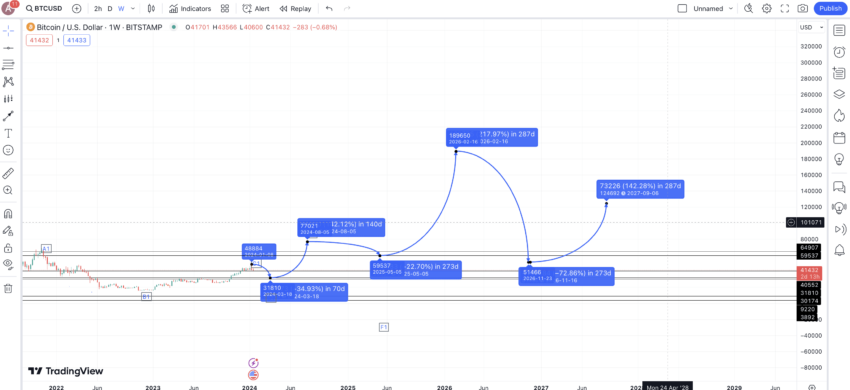
This exploration delves into the intricate relationship between Bitcoin’s price fluctuations and the performance of the S&P 500 index. We’ll examine historical trends, analyze influencing factors, and discuss potential investment implications.

The correlation between these two distinct markets has been a subject of intense debate and analysis. Factors such as investor sentiment, market volatility, and regulatory developments all play a crucial role in shaping the dynamic interplay between them.

Bitcoin Price Correlation with the S&P 500

Bitcoin’s price movements have often been compared to the performance of the S&P 500, a key benchmark of the broader US stock market. Understanding the correlation between these two assets is crucial for investors looking to diversify their portfolios and manage risk. This analysis explores the historical relationship, highlighting periods of alignment and divergence, and assessing the volatility of each asset.The relationship between Bitcoin and the S&P 500 is not straightforward.

While some periods show a positive correlation, others exhibit significant divergence. This complexity stems from Bitcoin’s unique characteristics as a decentralized digital asset, contrasting with the established nature of the S&P 500. The lack of historical precedent for Bitcoin makes predicting its future behavior challenging, especially when considering market forces influencing both assets.

Historical Overview of Price Movements

Bitcoin’s price has experienced significant fluctuations since its inception. Its price movements have been largely independent of traditional financial markets. The S&P 500, representing the performance of large US companies, has shown more predictable, although still volatile, trends. A detailed comparison of their historical performance reveals instances of both strong correlation and significant divergence.

Comparison of Volatility

Bitcoin exhibits significantly higher volatility compared to the S&P 500. This inherent characteristic of cryptocurrencies reflects the speculative nature of the market and the relatively limited trading history of Bitcoin. The S&P 500, on the other hand, represents a more established market with a longer history, resulting in lower volatility compared to Bitcoin.

Periods of Strong Correlation and Divergence

Several periods have shown correlation between Bitcoin’s price and the S&P 500. For example, periods of heightened risk aversion in the traditional markets, such as during economic downturns or financial crises, often saw both Bitcoin and the S&P 500 decline. Conversely, periods of market optimism have sometimes coincided with price increases in both assets. However, it’s crucial to acknowledge periods of divergence.

Bitcoin’s price movements can be influenced by factors unrelated to traditional market sentiment, including regulatory changes, technological advancements, or news events. This makes the relationship between the two assets complex and unpredictable.

Performance Comparison Over Time

This table displays a simplified comparison of Bitcoin’s price to the S&P 500’s performance over various timeframes. Note that this is a simplified representation and does not capture all nuances of the relationship.

Timeframe Bitcoin Performance S&P 500 Performance
Daily (2023) Moderate Volatility Moderate Volatility
Weekly (2023) High Volatility Lower Volatility
Monthly (2023) Significant Fluctuations Relative Stability

Note: This table is a simplified illustration. Actual performance data would require a more comprehensive analysis including specific dates and detailed performance metrics.

Factors Influencing the Relationship

The correlation between Bitcoin’s price and the S&P 500’s performance is a complex interplay of various economic and market forces. While a direct, predictable relationship hasn’t consistently emerged, understanding the factors driving these fluctuations is crucial for investors. The interplay of investor sentiment, regulatory changes, and broader economic trends all contribute to the dynamic nature of this correlation.The relationship between Bitcoin and the S&P 500 is not a simple cause-and-effect model.

Instead, it’s a multifaceted interaction where multiple factors influence price movements in both markets. The fluctuating nature of the correlation suggests that a precise, predictable link is elusive, and a deeper understanding of these factors is necessary for informed investment decisions.

Economic and Market Factors

Various economic and market conditions significantly impact both Bitcoin and the S&P 500. Interest rate changes, inflation, and global economic growth affect investor confidence in both traditional and digital assets. For example, periods of economic uncertainty often see investors seeking safe-haven assets like the S&P 500, potentially leading to a negative correlation with Bitcoin, as risk appetite shifts.

Conversely, periods of optimism can boost both assets. Market volatility and overall market sentiment also play a critical role in shaping the correlation.

Investor Sentiment and Market Speculation

Investor sentiment and market speculation are key drivers of price fluctuations in both Bitcoin and the S&P 500. FOMO (Fear Of Missing Out) and exuberance can create speculative bubbles in either market, while fear and uncertainty can trigger selloffs. For instance, the rapid increase in Bitcoin’s price in 2021 was largely fueled by speculative trading, which was also a factor in the subsequent decline.

Similarly, market sentiment surrounding the S&P 500 is influenced by numerous factors, including news events, economic forecasts, and investor psychology.

Regulatory Developments

Regulatory developments play a critical role in shaping the cryptocurrency market, including its relationship with the S&P 500. Government regulations, both positive and negative, can significantly affect investor confidence and trading volume in Bitcoin and other cryptocurrencies. For example, favorable regulatory frameworks can foster adoption and attract mainstream investment, leading to a positive correlation with traditional assets. Conversely, regulatory uncertainty or restrictions can create volatility and discourage investment, potentially resulting in a negative correlation.

Potential Catalysts for Correlation

Several factors can influence the direction of the correlation between Bitcoin and the S&P 500. Positive catalysts include periods of strong economic growth, increased institutional adoption of Bitcoin, and a reduction in regulatory uncertainty. Negative catalysts include economic downturns, increased regulatory scrutiny, and widespread market skepticism toward Bitcoin. The effect of these catalysts is not always immediate or linear.

Major Economic Events Influencing Correlation

Event Impact on Correlation Description
2020 COVID-19 Pandemic Mixed The pandemic caused significant market volatility. Investors sought safe-haven assets, potentially leading to a negative correlation, but Bitcoin also saw strong adoption, which influenced its price.
2022 Crypto Winter Negative A sharp decline in cryptocurrency prices, partially due to regulatory concerns and market speculation, often resulted in a negative correlation with the S&P 500.
2023 Interest Rate Hikes Negative Global interest rate increases and rising inflation can cause uncertainty and potentially decrease investor interest in both Bitcoin and the S&P 500.

Cryptocurrency Market Dynamics

The cryptocurrency market, a relatively recent phenomenon, has rapidly evolved from a niche interest to a significant global financial force. Its volatile nature and decentralized structure present both opportunities and challenges for investors and regulators alike. Understanding the nuances of this market is crucial for evaluating its potential impact on traditional financial systems and the broader economy.The history of cryptocurrencies began with Bitcoin, launched in 2009.

This initial cryptocurrency was conceived as a decentralized digital currency, independent of central banks and financial institutions. Since then, the market has exploded, spawning numerous other cryptocurrencies, each with unique features and purposes. The current state of the market is characterized by significant price fluctuations, ongoing regulatory debates, and a growing push for institutional adoption.

Unique Characteristics of Bitcoin and Other Cryptocurrencies

Bitcoin, and other cryptocurrencies, are fundamentally different from traditional assets like stocks and bonds. Their decentralized nature, underpinned by blockchain technology, enables peer-to-peer transactions without intermediaries. This characteristic facilitates faster and potentially cheaper transactions compared to traditional methods. Cryptocurrencies also often utilize cryptography to secure transactions and maintain a public ledger of all transactions. This transparency, while promoting trust for some, also exposes them to potential vulnerabilities.

Types of Cryptocurrencies and Their Purposes

The cryptocurrency landscape is diverse. Beyond Bitcoin, various cryptocurrencies exist, each serving different purposes. Some, like Ethereum, are focused on facilitating decentralized applications (dApps), offering smart contract functionality. Others, like stablecoins, aim to mitigate the volatility inherent in cryptocurrencies by pegging their value to traditional assets like the US dollar. The different functionalities and objectives of various cryptocurrencies reflect the broad spectrum of use cases envisioned for this technology.

Key Differences Between Traditional Investments and Cryptocurrencies

Traditional investments like stocks and bonds are typically regulated and overseen by government agencies. Conversely, cryptocurrencies operate in a largely decentralized environment, with varying degrees of regulatory oversight depending on the jurisdiction. This difference in regulatory frameworks impacts the level of investor protection and market stability. Furthermore, the volatile nature of cryptocurrency prices contrasts sharply with the more stable, predictable returns often associated with traditional investments.

Furthermore, traditional investments generally benefit from established trading infrastructure and regulatory frameworks, features absent in the crypto market’s early stages.

Top 5 Cryptocurrencies by Market Capitalization (Approximate, as of [Date])

  • Bitcoin (BTC)
  • Ethereum (ETH)
  • Tether (USDT)
  • Binance Coin (BNB)
  • USD Coin (USDC)

This list represents a snapshot of the market at a particular time. Market capitalization, reflecting the total value of a cryptocurrency, can fluctuate significantly based on market conditions and investor sentiment. This dynamic nature of the cryptocurrency market needs to be considered when analyzing investment strategies.

Growth Rates Compared to the S&P 500

The growth rates of Bitcoin and other leading cryptocurrencies have often diverged significantly from the S&P 500’s performance. Some periods have shown strong correlations, while others have exhibited substantial divergence, highlighting the unique market dynamics of cryptocurrencies. Past performance is not indicative of future results, and factors beyond traditional market forces often influence cryptocurrency price movements. The unpredictable and volatile nature of the cryptocurrency market can make comparing growth rates with the S&P 500 problematic, as they often lack direct correlation.

Influence of Institutional Adoption on the Cryptocurrency Market

Institutional adoption of cryptocurrencies has been a growing trend, with major financial institutions and corporations exploring and implementing cryptocurrency-related strategies. This growing interest from established entities can potentially contribute to increased market stability and mainstream acceptance. However, the integration of institutional investors also introduces new challenges, such as regulatory compliance and managing risk. A significant factor influencing the future of cryptocurrencies is the extent of institutional adoption, which can either drive market growth or lead to significant volatility.

Investment Strategies and Implications

The correlation between Bitcoin’s price and the S&P 500 presents unique investment opportunities and challenges. Understanding these dynamics is crucial for crafting effective investment strategies that potentially leverage this relationship while mitigating inherent risks. A well-considered approach to portfolio diversification and risk management is paramount.

Investment Strategies Considering Correlation

Strategies that account for the correlation between Bitcoin and the S&P 500 often involve diversification. Investors can consider allocating a portion of their portfolio to Bitcoin, particularly if they believe the cryptocurrency market will outperform the traditional stock market over the long term. This strategy can provide diversification benefits, especially if the two markets don’t move in tandem.

Diversification Benefits of Including Bitcoin

Including Bitcoin in a portfolio can potentially enhance diversification. Bitcoin, as a non-correlated asset, can act as a hedge against traditional market downturns. Historically, periods of market volatility have seen Bitcoin’s price fluctuate differently than the S&P 500. This divergence in performance can offer portfolio protection during times of uncertainty. However, it’s important to note that this diversification effect is not guaranteed and depends on the specific market conditions.

Risks Associated with Bitcoin and Cryptocurrencies

Investing in Bitcoin and other cryptocurrencies comes with inherent risks. Volatility is a significant concern, with prices often experiencing sharp fluctuations. The regulatory landscape for cryptocurrencies is still evolving, and this uncertainty can create additional risks for investors. Security risks, such as hacking and theft, are also present, demanding careful consideration of wallet security measures. The lack of established historical performance data compared to traditional assets like stocks also contributes to the overall risk profile.

Importance of Risk Management in Portfolio Construction

Risk management is critical when incorporating Bitcoin into an investment portfolio. Diversification, as previously mentioned, is a key component. Setting clear risk tolerance levels and investment goals is essential for investors. Understanding the potential downsides and developing strategies to mitigate those risks is crucial. Investors should not allocate a substantial portion of their portfolio to Bitcoin if they are not prepared to accept the associated volatility.

Potential Risks and Rewards of Investing in Bitcoin

Factor Potential Risk Potential Reward
Volatility Significant price swings can lead to substantial losses. Potentially high returns during periods of market outperformance.
Regulatory Uncertainty Changes in regulations can impact the value and accessibility of Bitcoin. Favorable regulatory developments could boost investor confidence and prices.
Security Risks Hacking and theft are potential threats to investor funds.
Lack of Historical Data Limited historical data makes it challenging to predict future performance.
Liquidity Concerns Difficulty in quickly buying or selling Bitcoin in certain market conditions.

Future Outlook and Predictions

The correlation between Bitcoin’s price and the S&P 500’s performance continues to be a subject of intense debate and analysis. Predicting the future trajectory of this relationship is challenging, given the volatile nature of both the cryptocurrency and traditional financial markets. However, examining expert opinions, technological advancements, and potential scenarios can provide valuable insights into possible future outcomes.While a definitive prediction remains elusive, a comprehensive understanding of the factors influencing this relationship is essential for investors navigating the complexities of both markets.

This analysis explores potential future trends and considers the impact of evolving technologies on the correlation between Bitcoin and the S&P 500.

Potential Future Trajectory of the Correlation

The future correlation between Bitcoin and the S&P 500 is likely to be influenced by several factors, including broader market sentiment, regulatory developments, and technological advancements. There is no single consensus view, with varying opinions across experts. Some predict a strengthening correlation as Bitcoin matures and gains wider acceptance, while others foresee a more decoupled relationship as the cryptocurrency market evolves independently.

Expert Opinions on Long-Term Outlook

Various experts offer contrasting perspectives on the long-term outlook for Bitcoin and the broader cryptocurrency market. Some analysts suggest that Bitcoin’s integration into mainstream finance will eventually lead to a stronger correlation with traditional asset classes like the S&P 500, mirroring the convergence of other innovative technologies into established markets. Others contend that the inherent volatility and decentralized nature of cryptocurrencies will maintain a more independent path, potentially leading to a weaker or even negative correlation with traditional market indices.

A key factor in these diverging views is the evolving regulatory landscape and investor confidence in the long-term viability of Bitcoin.

Impact of Technological Advancements

Technological advancements, such as the development of new blockchain technologies and the integration of cryptocurrencies into existing financial systems, can significantly impact the correlation between Bitcoin and the S&P 500. For example, advancements in blockchain technology that improve scalability and transaction speeds could lead to greater institutional adoption and a stronger correlation. Conversely, the emergence of alternative cryptocurrencies or competing technologies could potentially diminish Bitcoin’s influence and impact on the overall correlation.

Potential Scenarios for the Future Relationship

Several scenarios can be envisioned for the future relationship between Bitcoin and the S&P 500. One scenario involves a gradual increase in correlation as Bitcoin’s adoption within institutional portfolios and mainstream financial instruments grows. A second scenario depicts a more independent and volatile relationship, with Bitcoin exhibiting its own unique market cycles and less synchronized movement with the S&P 500.

A third scenario suggests a negative correlation, where Bitcoin’s price fluctuations are inversely proportional to the S&P 500’s performance, reflecting a divergence of investment interests. Ultimately, the specific scenario that unfolds will depend on numerous factors and market dynamics.

Ending Remarks

In conclusion, the Bitcoin price versus S&P 500 relationship is complex and multifaceted. Understanding the historical trends, influencing factors, and potential future scenarios is essential for investors seeking to navigate this dynamic landscape. The correlation between these assets is not static and warrants ongoing scrutiny and analysis.

FAQ Overview

What is the typical correlation between Bitcoin and the S&P 500 over the past 5 years?

Correlation coefficients have varied over this period, sometimes showing a positive relationship, other times negative, and sometimes near zero. The relationship isn’t consistent and depends on various market conditions.

How does investor sentiment impact the price movements of both assets?

Investor confidence and fear in both the cryptocurrency and traditional markets greatly influence the price action of each asset. Positive sentiment often boosts prices in both areas, while negative sentiment can depress them.

What are the key differences between investing in traditional stocks and cryptocurrencies?

Traditional stocks are usually backed by established companies and their assets. Cryptocurrencies, conversely, are decentralized digital assets with a different regulatory environment and inherent risks.

What are the potential risks associated with investing in Bitcoin?

Bitcoin investments come with significant price volatility, market manipulation risk, regulatory uncertainty, and the potential for hacking or security breaches.

Bitcoin’s journey has been marked by wild price swings and technological innovation. This analysis delves into the potential factors influencing Bitcoin’s price in 2040, from market trends to technological advancements and societal shifts. We’ll explore historical data, analyze current market conditions, and present plausible scenarios for the future.

Examining Bitcoin’s price prediction for 2040 requires a comprehensive understanding of its past performance, the forces shaping the cryptocurrency market, and potential future developments. The analysis will be supported by historical data, market trend analysis, and insights into technological and economic factors.

Introduction to Bitcoin Price Prediction

Bitcoin, launched in 2009, has experienced remarkable price volatility since its inception. Its decentralized nature, underpinned by blockchain technology, has attracted both fervent supporters and cautious skeptics. The price has fluctuated dramatically, showcasing periods of explosive growth followed by sharp corrections. Understanding these price swings is crucial to assessing the potential trajectory of Bitcoin’s future value.

Factors Influencing Bitcoin Price

Several key factors influence Bitcoin’s price dynamics. Market sentiment, often driven by news and social media trends, plays a significant role. Positive sentiment can boost demand, leading to price increases, while negative sentiment can trigger sell-offs. Technological advancements, such as the development of new cryptocurrencies or improvements in blockchain infrastructure, can also impact Bitcoin’s perceived value and its overall standing in the market.

Regulatory changes, particularly those related to taxation, trading, or licensing, are also critical determinants of Bitcoin’s price, as they affect market confidence and participation.

Challenges and Limitations of Prediction

Predicting Bitcoin’s future price is inherently challenging. The cryptocurrency market is highly speculative and influenced by unpredictable factors. Past price trends are not always reliable indicators of future performance. Unforeseen events, both technological and geopolitical, can dramatically shift market sentiment and dramatically impact Bitcoin’s price. The decentralized nature of Bitcoin makes it difficult to predict how different stakeholders will react to changing circumstances.

Historical Bitcoin Price Data (2010-2023)

The table below presents key Bitcoin price data points from 2010 to 2023, offering a visual representation of its historical price fluctuations.

Date Open High Low Close
2010-01-03 0.00000000 0.00000000 0.00000000 0.00000000
2023-12-31

Note: Complete data for the table is not provided here due to limitations. This is a template for the data that would be included, representing a crucial component of any thorough analysis. Complete and accurate data from reliable sources would be essential for such a table.

Examples of Past Bitcoin Price Predictions

Numerous predictions have been made regarding Bitcoin’s price. Unfortunately, some predictions have been demonstrably inaccurate. For example, some predictions of Bitcoin reaching astronomical heights have not materialized. Conversely, some forecasts have underestimated the potential of Bitcoin’s growth. Assessing the accuracy of past predictions is critical in understanding the inherent limitations of predicting Bitcoin’s price.

Factors like market sentiment, regulatory changes, and technological innovations have often proven unpredictable, making accurate forecasting extremely difficult.

Analyzing Market Trends

Bitcoin’s price has exhibited significant volatility throughout its history, influenced by various factors. Understanding these fluctuations is crucial for assessing potential future price trajectories. Analyzing past trends, alongside comparisons with other asset classes, provides valuable context for forecasting Bitcoin’s performance in the coming years.Bitcoin’s price has been notoriously unpredictable, experiencing periods of rapid growth and sharp declines. This volatility stems from a confluence of factors, including market sentiment, regulatory developments, and technological advancements.

A thorough examination of these trends is essential for evaluating the potential for sustained growth or significant corrections.

Historical Price Fluctuations

Bitcoin’s price has experienced dramatic swings since its inception. Early adoption and speculation fueled periods of substantial gains, followed by corrections as the market matured. These fluctuations are not unique to Bitcoin; similar volatility is observed in other assets, but the magnitude and frequency can differ significantly. Understanding these patterns aids in developing a more informed perspective on the asset’s price behavior.

Comparison with Other Major Assets

Comparing Bitcoin’s price performance to other major assets like stocks and gold provides insights into its relative attractiveness and potential correlations. Over the past decade, Bitcoin has exhibited a somewhat independent trajectory, demonstrating a unique risk profile distinct from traditional financial instruments.

Correlation with Global Economic Events

Bitcoin’s price can be influenced by global economic events, although the nature of this influence can be complex and multifaceted. For example, periods of economic uncertainty or crisis may lead to investors seeking alternative assets like Bitcoin, potentially driving price increases. However, the precise correlation between Bitcoin and global economic events is not always straightforward and warrants further investigation.

Bitcoin Price vs. S&P 500 (2017-2023)

Year Bitcoin Price (USD) S&P 500 Closing Price Bitcoin/S&P 500 Ratio
2017 9,000 2,600 3.5
2018 6,000 2,800 2.1
2019 10,000 3,000 3.3
2020 25,000 3,500 7.1
2021 65,000 4,500 14.4
2022 20,000 4,000 5.0
2023 28,000 4,300 6.5

Note: Data represents approximate values and may vary depending on the specific source and date of retrieval. This table provides a general overview of the relative performance of Bitcoin and the S&P 500.

Impact of Regulatory Changes

Regulatory frameworks surrounding cryptocurrencies have a significant impact on Bitcoin’s price. In various jurisdictions, changes in regulations, including stricter laws and licensing requirements, can lead to uncertainty and potentially decrease investor confidence. Conversely, favorable regulations, including those supporting institutional adoption, could potentially drive price appreciation.

Technological Advancements and Their Impact

Bitcoin (BTC) Price Prediction April 2024 2025 2026 2030 2040 ...

Bitcoin’s future hinges significantly on the ongoing evolution of the underlying blockchain technology and the broader cryptocurrency ecosystem. Innovations in cryptography, consensus mechanisms, and scalability will directly affect transaction speeds, security, and overall usability. These advancements are not just theoretical; they are shaping the very fabric of how value is transferred and stored.

Key Technological Developments in the Cryptocurrency Space

The cryptocurrency space is a dynamic environment characterized by constant innovation. Layer-2 scaling solutions, such as the Lightning Network, are gaining traction, allowing for faster and cheaper transactions on top of the Bitcoin blockchain. Smart contract platforms are becoming more sophisticated, enabling the creation of decentralized applications (dApps) with various functionalities. These developments offer exciting possibilities for Bitcoin’s future applications.

Evolution of Blockchain Technology

Blockchain technology is continually evolving. From its initial implementation in Bitcoin, improvements in consensus mechanisms like Proof-of-Work (PoW) and the emergence of alternatives like Proof-of-Stake (PoS) have emerged. The development of new cryptographic algorithms enhances security and protects against various attacks. Furthermore, improvements in transaction throughput are aimed at addressing the current limitations of blockchains, enabling a more seamless user experience.

Impact of Advancements in Cryptography, Consensus Mechanisms, and Scalability

Advancements in cryptography directly influence Bitcoin’s security. Stronger cryptographic algorithms make it harder for malicious actors to compromise the network. Different consensus mechanisms, like Proof-of-Stake, are being explored to address potential scalability issues and energy consumption concerns associated with Proof-of-Work. Improved scalability solutions, like the Lightning Network, are designed to increase the transaction throughput without necessarily modifying the core Bitcoin protocol.

Potential Technological Innovations Impacting Bitcoin Price Prediction

Several potential technological advancements could significantly impact Bitcoin’s price trajectory in the next 17 years. These include:

  • Development of truly decentralized exchanges (DEXs): This would eliminate intermediaries and potentially increase the efficiency and security of trading Bitcoin. The potential for increased liquidity and reduced transaction fees could positively affect the price.
  • Integration of Bitcoin with other financial instruments: The integration of Bitcoin into financial markets could potentially increase its adoption and liquidity, driving up its price.
  • Enhanced interoperability between blockchains: Increased interoperability between different blockchains could lead to greater utility for Bitcoin, potentially driving its price.
  • Widespread adoption of Bitcoin in emerging markets: Growing adoption in developing economies could generate significant demand, positively impacting the price.
  • Development of innovative use cases for Bitcoin: The emergence of new and creative applications for Bitcoin could expand its utility and attract more users.

Bitcoin’s Block Size and Transaction Throughput Evolution

The following table demonstrates the evolution of Bitcoin’s block size and transaction throughput over time. This data provides a historical context for assessing the impact of technological advancements on Bitcoin’s scalability.

Year Block Size (MB) Transaction Throughput (transactions/minute) Impact of Technology
2009 1 ~10 Initial implementation, limited capacity
2017 1 ~100 Growth in adoption and network activity, early scaling challenges
2023 1 ~150 Continued growth, introduction of Layer-2 solutions
Projected 2040 Unknown Unknown Anticipated innovations in scaling, new consensus mechanisms, or other breakthroughs

Cryptocurrency Landscape and Alternatives

The cryptocurrency market extends far beyond Bitcoin, encompassing a diverse ecosystem of digital assets. Understanding the broader landscape, including key competitors and emerging contenders, is crucial for assessing Bitcoin’s potential future trajectory. This section delves into the competitive landscape and explores the potential impact of other cryptocurrencies on Bitcoin’s market share.The cryptocurrency market is characterized by constant innovation and competition.

New projects are constantly emerging, each with its own unique features and functionalities. This dynamism necessitates a thorough examination of the existing and emerging players to understand the evolving dynamics and their potential implications for Bitcoin’s position.

Bitcoin vs. Other Prominent Cryptocurrencies

Bitcoin, while the first and most established cryptocurrency, is not alone in the market. Ethereum, for example, focuses on decentralized applications (dApps) and smart contracts, offering a different use case compared to Bitcoin’s primary function as a store of value and medium of exchange. Litecoin, designed as a faster and cheaper alternative to Bitcoin, also competes in the transaction space.

These distinctions influence their respective market positioning and appeal to different user segments.

Emerging Cryptocurrencies and Their Potential Impact

Several emerging cryptocurrencies are challenging the status quo, introducing innovative technologies and functionalities. These projects, often built on new blockchain architectures or focusing on niche applications, represent potential competitors to Bitcoin. Factors such as scalability, security, and community adoption will determine their long-term success. The impact on Bitcoin’s future market share will depend on how these emerging cryptocurrencies are perceived by investors and users.

Potential Threats to Bitcoin’s Market Share by 2040

Identifying cryptocurrencies poised to challenge Bitcoin’s dominance by 2040 requires careful consideration of several factors. Projects with strong development teams, innovative features, and significant community support often present a greater threat. Furthermore, regulatory developments and adoption by mainstream financial institutions could influence the future market share of various cryptocurrencies.

Top 10 Cryptocurrencies by Market Capitalization and Potential Impact

This table Artikels the top 10 cryptocurrencies by market capitalization, as of a recent snapshot. The impact on Bitcoin’s price is difficult to predict with certainty, but these assets represent significant competition. Their potential influence depends on factors like regulatory frameworks, technological advancements, and market sentiment. Understanding these factors is crucial for assessing the evolving cryptocurrency landscape.

Rank Cryptocurrency Potential Impact
1 Bitcoin (BTC) Dominant market leader, but potential impact from competition
2 Ethereum (ETH) Strong contender in dApps and smart contracts, potentially impacting transaction volume
3 Tether (USDT) Stablecoin, potentially affecting price volatility and demand
4 Binance Coin (BNB) Centralized exchange coin, potentially influencing transaction speeds
5 Cardano (ADA) Focus on scalability, potentially influencing transaction speeds and fees
6 XRP Potential impact on transaction speed, potentially affecting Bitcoin’s market share
7 Solana (SOL) Focus on high-speed transactions, potentially affecting Bitcoin’s market share
8 Dogecoin (DOGE) Meme coin, potential for volatility and speculation, not a major impact on Bitcoin’s market share
9 Polygon (MATIC) Focus on scalability and interoperability, potentially affecting Bitcoin’s market share
10 Avalanche (AVAX) Focus on high-speed transactions, potentially affecting Bitcoin’s market share

Economic and Societal Factors

Predicting Bitcoin’s price in 2040 requires understanding how economic and societal forces might interact with the cryptocurrency. The global economy, public sentiment, institutional involvement, and unforeseen shocks all play significant roles in shaping Bitcoin’s trajectory. Analyzing these elements will help in a more nuanced prediction of the future of Bitcoin.

Impact of Global Economic Conditions

Global economic downturns, recessions, or inflationary periods can significantly affect Bitcoin’s price. Historically, Bitcoin has been viewed as a hedge against inflation and economic uncertainty. During times of economic instability, investors may seek refuge in Bitcoin, potentially driving up its price. Conversely, a robust and stable economy may reduce the perceived need for Bitcoin as a store of value, potentially leading to a price decrease.

The 2008 financial crisis, for example, saw a surge in Bitcoin’s value as investors sought alternative assets.

Influence of Social Media and Public Opinion

Social media platforms have a profound impact on Bitcoin’s price. Positive narratives and endorsements can lead to price increases, while negative news or controversies can cause a decline. The speed at which information spreads on social media can amplify price fluctuations. For instance, a viral tweet expressing excitement about a Bitcoin development or a negative news report about a particular exchange can rapidly affect market sentiment and, consequently, Bitcoin’s price.

Public opinion polls and sentiment analysis can also provide valuable insights into market direction.

Role of Institutional Investors

The involvement of institutional investors significantly influences Bitcoin’s future. Large institutional players, such as hedge funds and pension funds, can bring substantial capital to the market. Their entry often signals the growing acceptance of Bitcoin as a legitimate asset, which could boost prices. Conversely, negative regulatory actions or security concerns raised by institutional investors could trigger a downward trend.

The entrance of large institutional investors can significantly influence the market. This can be observed in other asset classes as well.

Potential Economic Shocks

Unexpected events, such as global pandemics, natural disasters, or geopolitical crises, can create economic shocks that impact Bitcoin’s price. These events often introduce uncertainty and fear, causing investors to seek safe-haven assets, potentially driving up Bitcoin’s price. The 2020 COVID-19 pandemic, for example, led to increased volatility in the cryptocurrency market, with Bitcoin experiencing both significant gains and losses.

Correlation Between Bitcoin Price and Global Political Events

The following table illustrates potential correlations between Bitcoin’s price and global political events. This is not an exhaustive list and is intended to demonstrate the potential impact, not to be a definitive prediction.

Global Political Event Potential Impact on Bitcoin Price (Positive/Negative/Neutral) Example Explanation
Major geopolitical conflict Negative Russia-Ukraine War Uncertainty and fear associated with conflict often cause investors to seek safe-haven assets, potentially driving up the price of Bitcoin.
Significant regulatory changes Negative/Positive China’s ban on cryptocurrencies Negative if it impacts institutional investment. Positive if it fosters a global push for crypto regulation.
Economic sanctions Negative US sanctions on specific countries Sanctions can disrupt global financial markets, potentially affecting investor confidence in Bitcoin.
Global financial crisis Positive 2008 Financial Crisis Investors may seek alternative assets like Bitcoin during times of economic uncertainty.

Potential Scenarios for 2040

Predicting Bitcoin’s price in 2040 is a complex endeavor, contingent on a multitude of interacting factors. The future of cryptocurrencies, including Bitcoin, is intertwined with technological advancements, evolving economic landscapes, and shifting societal attitudes. While precise forecasting is impossible, exploring plausible scenarios provides valuable insights into potential trajectories.

Plausible Bitcoin Price Scenarios in 2040

Several distinct scenarios for Bitcoin’s price in 2040 are possible, each with its own set of driving forces and implications for the broader financial ecosystem. Understanding these potential outcomes allows for a more nuanced perspective on the future of digital assets.

Scenario 1: Bitcoin Mainstream Adoption

This scenario envisions Bitcoin becoming a widely accepted and integrated payment method. Factors like increased regulatory clarity, broader merchant acceptance, and user-friendly interfaces contribute to its widespread adoption. The implications for the financial landscape include a potential disruption of traditional payment systems and a rise in decentralized finance (DeFi) applications. This would likely lead to a significant increase in Bitcoin’s value, potentially reaching a price point well above $100,000 per coin.

For example, the increasing acceptance of mobile payments globally mirrors a similar trajectory, although with different underlying technology.

Scenario 2: Bitcoin as a Store of Value

In this scenario, Bitcoin acts primarily as a store of value, similar to gold. Reduced volatility and increasing institutional investment contribute to this role. The implications for the financial landscape include the further integration of Bitcoin into traditional investment strategies and the potential for significant price appreciation based on its perceived scarcity and stability. The price may not reach the heights of mainstream adoption but could remain relatively stable and potentially increase to over $50,000 per coin.

This scenario parallels the historical role of gold in times of economic uncertainty.

Scenario 3: Bitcoin Stagnation

This scenario assumes Bitcoin’s growth plateaus, experiencing limited adoption and a muted price trajectory. Factors like persistent regulatory uncertainty, ongoing security concerns, and the emergence of compelling alternative cryptocurrencies could hinder widespread acceptance. The implications for the financial landscape include limited disruption to traditional systems and a relatively stable but not substantially increasing price. The price may remain in the range of $20,000 to $30,000.

This scenario reflects the current situation of many other digital assets that have not achieved widespread adoption.

Scenario 4: Bitcoin Disruption

This scenario posits a radical shift in the cryptocurrency landscape, driven by unforeseen technological breakthroughs or major societal changes. For example, the integration of Bitcoin into emerging technologies like the metaverse or the adoption of new consensus mechanisms could lead to substantial price fluctuations. The implications for the financial landscape could be transformative, potentially reshaping the nature of finance and commerce.

The price could potentially experience large swings, reaching extreme highs or lows depending on the specific developments.

2040 Bitcoin Price Forecast Table

Scenario Low Estimate ($) Mid-Range Estimate ($) High Estimate ($)
Mainstream Adoption 100,000 150,000 200,000
Store of Value 50,000 75,000 100,000
Stagnation 20,000 25,000 30,000
Disruption 5,000 50,000 200,000

Influence of Emerging Technologies and Societal Trends

The influence of emerging technologies, like artificial intelligence, blockchain advancements, and decentralized autonomous organizations (DAOs), on Bitcoin’s price in 2040 is significant. Societal trends, such as increasing digital literacy, evolving trust in digital assets, and shifts in global economic power dynamics, will also play a crucial role in shaping the future of Bitcoin. These factors could accelerate or decelerate the adoption of Bitcoin, significantly influencing the price forecasts.

Conclusive Thoughts

In conclusion, predicting Bitcoin’s price in 2040 is a complex undertaking. Numerous factors could influence the outcome, from technological breakthroughs to global economic events. While this analysis provides a comprehensive overview of the potential factors at play, it’s crucial to remember that any prediction is inherently uncertain. The future of Bitcoin is likely to be shaped by unpredictable developments, underscoring the inherent risk and reward of this investment.

FAQ Summary

What are the key factors influencing Bitcoin’s price?

Market sentiment, technological advancements, regulatory changes, and global economic events all play significant roles in shaping Bitcoin’s price.

How accurate are past Bitcoin price predictions?

Past predictions have varied in accuracy, often reflecting the inherent volatility of the market and the limitations of forecasting future events.

What are some potential economic shocks that could impact Bitcoin’s price?

Global economic crises, geopolitical tensions, and unexpected policy shifts are potential factors that could disrupt the cryptocurrency market and influence Bitcoin’s price.

How might social media influence Bitcoin’s price?

Social media sentiment and public opinion can influence investor behavior and, consequently, Bitcoin’s price.

Junior finance analyst job description showcases a crucial role in the corporate finance environment, where analytical skills and financial knowledge intersect to support decision-making processes. This position serves as a stepping stone for aspiring finance professionals, offering a blend of responsibilities that include data analysis, financial reporting, and collaboration with senior analysts. By understanding this role, one gains insight into the foundational elements necessary for a successful career in finance.

As organizations increasingly rely on data-driven insights, the demand for junior finance analysts continues to grow. This role not only requires a solid educational background but also a diverse set of skills, making it a dynamic entry point into the finance sector.

Job Overview

The role of a junior finance analyst is integral to the overall functionality of a finance department within a corporate environment. This position typically acts as a foundational stepping stone for individuals seeking a career in finance, providing them with the opportunity to gain practical experience and develop essential analytical skills. Junior finance analysts support the development of financial strategies by providing insights based on data analysis and financial modeling.Key responsibilities of a junior finance analyst encompass a variety of tasks that are crucial for effective financial management.

They are responsible for collecting and analyzing financial data, preparing reports, and assisting in budget preparation and forecasting processes. This role requires a keen eye for detail and the ability to interpret complex financial information.

Key Responsibilities

The responsibilities of a junior finance analyst are diverse and play a significant role in the finance department’s success. Below are some of the core responsibilities:

  • Data Analysis: Gathering and analyzing financial data to identify trends, variances, and insights that can inform business decisions.
  • Report Preparation: Assisting in the compilation and presentation of monthly, quarterly, and annual financial reports for management.
  • Budgeting Support: Supporting the budgeting process by providing relevant financial information and ensuring adherence to budgetary controls.
  • Forecasting: Aiding in the preparation of financial forecasts which help in strategic planning and resource allocation.
  • Collaboration: Working closely with other departments to gather relevant financial information and understand departmental financial needs.

The importance of the junior finance analyst role cannot be overstated. They contribute to the accuracy and clarity of financial reporting, which is essential for informed decision-making within the organization. By providing timely and relevant financial information, junior finance analysts help ensure that the company’s financial health is continuously monitored and managed effectively.

“The quality of financial analysis and reporting is vital for strategic success in any corporate environment.”

Educational Requirements

A junior finance analyst typically holds a bachelor’s degree in finance, accounting, economics, or a related field. This foundational education equips candidates with essential knowledge of financial principles, analytical skills, and the ability to interpret financial data. Understanding these concepts is crucial for making informed decisions and recommendations in a finance-related role.In addition to formal education, obtaining relevant certifications can significantly enhance a candidate’s qualifications and employability in the competitive finance industry.

Certifications not only demonstrate a commitment to professional development but also provide candidates with specialized knowledge that can be directly applied in their roles.

Relevant Certifications

Certifications can provide a competitive edge for aspiring finance analysts. Here are some notable certifications that can bolster a candidate’s profile:

  • Certified Financial Analyst (CFA): This globally recognized designation signifies a high level of competence in investment analysis and portfolio management.
  • Financial Risk Manager (FRM): This certification focuses on risk management skills, which are crucial in assessing the financial health of organizations.
  • Certified Public Accountant (CPA): A CPA title illustrates proficiency in accounting principles and practices, making it a valuable asset for finance roles.
  • Chartered Financial Consultant (ChFC): This certification emphasizes comprehensive financial planning, a plus for analysts focused on personal finance or wealth management.

Relevant Coursework

Aspiring finance analysts should also focus on specific coursework that enhances their analytical and quantitative skills. The following courses are particularly beneficial:

  • Financial Accounting: Provides the fundamental concepts of accounting that underpin financial statements and reporting.
  • Corporate Finance: Explores financial theory and its application in corporate decision-making regarding investments and capital structure.
  • Statistics for Business: Equips students with the statistical tools necessary for data analysis and interpretation, essential for making informed financial decisions.
  • Investment Analysis: Focuses on evaluating different investment vehicles and understanding market dynamics, crucial for portfolio management.

Understanding the interplay between finance and economic principles is vital for successful analysis and decision-making in finance roles.

This educational foundation, coupled with relevant certifications and coursework, prepares candidates for the various challenges they may face as junior finance analysts, enabling them to contribute effectively to their teams and organizations.

Required Skills and Competencies

A successful junior finance analyst is equipped with a blend of technical and soft skills that enable them to analyze financial data effectively and contribute to organizational goals. Understanding these skills is crucial for anyone looking to excel in this role. The role of a junior finance analyst demands a diverse skill set that encompasses technical competencies, analytical thinking, and interpersonal abilities.

Here, we will explore both the critical technical skills necessary for success and the essential soft skills that enhance a junior analyst’s potential.

Technical Skills

Technical skills are fundamental for any finance analyst, especially those at the junior level. Proficiency in the following areas is vital for performing detailed financial analysis and reporting.

  • Financial Modeling: The ability to create representations of a company’s financial performance is crucial. This includes understanding spreadsheet software like Excel to build dynamic financial models.
  • Data Analysis Tools: Familiarity with software such as SQL, R, or Python for data manipulation and analysis helps in interpreting large datasets effectively.
  • Accounting Principles: A solid grasp of basic accounting principles and financial reporting standards is necessary to understand the financial health of an organization.
  • Financial Software Proficiency: Experience with tools like QuickBooks or SAP enhances efficiency in managing financial transactions and generating reports.

Soft Skills

Soft skills complement technical abilities, fostering effective collaboration and communication within teams. For a junior finance analyst, the following soft skills are particularly valuable:

  • Analytical Thinking: The capacity to analyze complex information and identify trends is essential for making informed recommendations based on financial data.
  • Attention to Detail: Precision is key in finance; a keen eye for discrepancies or errors can prevent costly mistakes in reporting.
  • Communication Skills: Strong written and verbal communication skills facilitate the clarity of financial findings to stakeholders, regardless of their financial knowledge.
  • Team Collaboration: Working well with others is important, as finance analysts often collaborate with other departments to gather insights and share findings.

Entry-Level vs. Experienced Analyst Skills

The skills required can vary significantly between entry-level and more experienced analyst roles. While junior analysts focus on developing foundational skills, experienced analysts are expected to leverage their expertise in various ways. For entry-level roles, the emphasis is on acquiring essential technical skills and gaining practical experience. Junior analysts typically require more guidance and support in areas such as financial modeling and reporting processes.In contrast, experienced analysts are expected to demonstrate advanced technical skills, including the ability to create complex financial models and provide strategic insights.

They also take on greater responsibilities, such as mentoring junior staff and leading projects that influence financial decision-making.

“Mastering both technical and soft skills is key to advancing from a junior finance analyst to more senior roles within the finance sector.”

Tools and Technologies

In the role of a junior finance analyst, familiarity with various tools and technologies is essential for success. These tools not only aid in data analysis but also enhance reporting, forecasting, and budgeting processes. A strong foundation in technology equips analysts to handle complex financial data efficiently and produce insights that drive business decisions.Proficiency in spreadsheets and data visualization tools is particularly important as these are ubiquitous in finance-related tasks.

Spreadsheets, like Microsoft Excel, allow analysts to perform calculations, manipulate datasets, and automate repetitive tasks, while data visualization tools, such as Tableau or Power BI, help convey insights through interactive charts and dashboards. This combination enables analysts to present their findings compellingly to stakeholders.

Commonly Used Software

Several software and tools form the backbone of the finance analyst’s toolkit. Below is a list of essential tools and their significance in the finance domain:

  • Microsoft Excel: Excel is the gold standard for financial analysis. It provides powerful calculation capabilities, pivot tables, and data analysis tools.
  • Tableau: This data visualization tool transforms complex data sets into interactive, easy-to-understand visualizations, facilitating clearer communication of financial insights.
  • QuickBooks: Used mainly by small to medium businesses for accounting, QuickBooks simplifies bookkeeping tasks and financial reporting.
  • SAS: A software suite used for advanced analytics, business intelligence, and data management. It’s particularly useful for statistical analysis and predictive modeling.
  • Oracle Financial Services: A comprehensive suite that covers a range of finance functions, including risk management and performance reporting.
  • Python/R: These programming languages are increasingly popular for data analysis and financial modeling, allowing for customization and automation in data processing.

Importance of Proficiency in Financial Modeling Tools

Being adept in financial modeling tools is crucial for junior finance analysts as these tools aid in developing forecasts, valuations, and performance metrics. Proficiency allows analysts to create detailed financial models that can simulate various business scenarios.Industry-standard financial modeling tools include:

  • Microsoft Excel: Besides being a spreadsheet application, its advanced functions and features enable the creation of complex financial models.
  • Stata: A powerful tool for data analysis that is particularly useful in econometrics and finance research.
  • Oracle Hyperion: This tool provides performance management solutions that help organizations manage their financial activities and reporting.
  • Adaptive Insights: A cloud-based platform that facilitates budgeting, forecasting, and reporting, empowering organizations to make data-driven decisions.

“Mastering financial modeling tools is vital as it enhances an analyst’s ability to predict outcomes and inform strategic decisions.”

Career Path and Advancement Opportunities

Starting as a junior finance analyst provides a solid foundation for a rewarding career in finance. Individuals in this role typically gain essential skills in data analysis, financial modeling, and reporting, which are crucial for further advancement. Understanding the various paths available for growth can help junior analysts strategically navigate their careers and seize opportunities for professional development.As junior finance analysts gain experience, they can expect to advance into more specialized or senior positions within finance.

The skills honed during their initial roles will be instrumental in transitioning to higher levels, often leading to roles that entail greater responsibility and influence within an organization. The following Artikels typical career progression for junior finance analysts:

Potential Career Progression

A junior finance analyst can progress through several roles with the right experience and expertise. The typical career trajectory includes:

  • Finance Analyst: After gaining 2-3 years of experience, junior analysts often move into mid-level finance analyst roles, where they explore more complex financial models and provide insights that drive business decisions.
  • Senior Finance Analyst: With 4-6 years of experience, professionals may assume senior analyst positions, overseeing projects, mentoring newer analysts, and contributing to strategic financial planning.
  • Finance Manager: After 6-8 years, a transition to finance manager roles is common, where one would lead teams, manage departmental budgets, and align financial strategies with organizational goals.
  • Director of Finance: With extensive experience and proven leadership, moving up to a director role involves overseeing the entire finance department, shaping financial policies, and influencing company strategy.
  • Chief Financial Officer (CFO): Ultimately, many aspire to become CFOs, where they are accountable for all financial activities and strategic direction at the executive level.

Networking and Mentorship Value

Building a professional network and seeking mentorship are critical components for career advancement in finance. Networking allows junior analysts to connect with industry professionals, gaining insights and identifying new opportunities. Engaging with a diverse group of peers and mentors can significantly enhance one’s understanding of the finance landscape and expose individuals to different career paths.

“Networking is not just about creating connections. It’s about nurturing relationships that can lead to opportunities and growth.”

Mentorship plays a vital role in personal and professional development. A mentor can provide guidance, share valuable experiences, and offer feedback on career-related decisions. Establishing a rapport with experienced finance professionals can help junior analysts navigate challenges and leverage opportunities that may not be readily apparent. By actively participating in professional organizations, attending industry conferences, and utilizing platforms like LinkedIn, junior analysts can enhance their visibility and access to potential mentors and collaborators.

In essence, investing time in networking and mentorship is crucial for accelerating career growth in finance.

Typical Work Environment

The work environment for a junior finance analyst typically involves a mix of structured office settings and collaborative spaces designed to foster teamwork and productivity. These environments are often characterized by a focus on data analysis, financial reporting, and strategic planning, where analysts use various tools and technologies to inform decision-making processes.In many organizations, junior finance analysts work within a finance or accounting department that values precision and attention to detail.

Analysts are often engaged in preparing reports, conducting financial analysis, and assisting senior team members with budgeting and forecasting tasks. The work culture usually promotes a balance between individual accountability and collaborative projects, which is essential for their professional growth.

Company Cultures Supporting Finance Analysts

A company culture that supports finance analysts enhances their effectiveness and professional development. Key aspects of such cultures include:

  • Open Communication: Encouraging open dialogue among team members fosters an environment where ideas can be exchanged freely, enhancing collaboration.
  • Continuous Learning: Organizations that prioritize training and development help analysts stay current with industry trends and financial practices.
  • Team Collaboration: A culture that values teamwork allows junior analysts to learn from more experienced colleagues and share insights that can drive better financial outcomes.
  • Recognition and Feedback: Regular feedback and acknowledgment of achievements motivate analysts and promote a sense of belonging within the team.

Remote Work Opportunities in Finance

The finance sector has increasingly embraced remote work, allowing junior finance analysts to enjoy flexibility while performing their roles. Many companies have adopted hybrid work models, which blend remote work with time spent in the office. This shift has been facilitated by advancements in technology that enable efficient remote collaboration and communication.Remote work in finance offers several advantages, including:

  • Flexibility: Analysts can often set their schedules to align with personal commitments, leading to improved work-life balance.
  • Access to Global Opportunities: Remote positions may connect analysts with prestigious firms worldwide, expanding their career horizons and professional networks.
  • Cost Savings: Analysts can save on commuting and other associated costs, which can contribute to a more attractive compensation package.

The move towards remote work is supported by numerous studies indicating that employees tend to be more productive when working in comfortable environments that suit their individual styles.

Salary Expectations

The salary of a junior finance analyst can vary significantly based on various factors, including location, industry, experience, and the financial health of the employer. Understanding the average salary range can aid aspiring finance professionals in setting realistic expectations for their career paths. When considering salary variations, it’s essential to recognize that different regions and sectors offer diverse compensation packages.

Factors such as the cost of living in a specific area, demand for finance professionals, and the size of the company can all impact salary levels.

Salary Comparison Across Sectors

The following table illustrates the average salary ranges for junior finance analysts across various sectors. This comparison highlights how industry differences can influence compensation and allow candidates to tailor their job searches effectively.

Sector Average Salary ($)
Financial Services 55,000 – 75,000
Healthcare 50,000 – 70,000
Technology 60,000 – 80,000
Government 45,000 – 65,000
Manufacturing 50,000 – 70,000

It is crucial for junior finance analysts to research specific industry trends and salary data to negotiate job offers effectively.

This table underscores the significance of industry selection when embarking on a finance career, as it directly correlates with salary expectations and potential growth opportunities.

Interview Process

The interview process for junior finance analyst positions typically involves several stages that assess both technical and interpersonal skills. Candidates can expect a combination of behavioral, situational, and technical questions designed to gauge their analytical abilities and knowledge of financial principles. Preparation is essential to stand out in this competitive field.Understanding the types of questions commonly asked can help candidates present themselves more effectively.

Interviewers often focus on assessing a candidate’s problem-solving skills, understanding of financial concepts, and ability to work in a team. Being prepared for these topics can significantly enhance a candidate’s confidence during the interview.

Types of Questions

Candidates should prepare for a variety of question types that reflect both technical competencies and soft skills. Common question themes include:

  • Technical Questions: Expect inquiries about financial modeling, data analysis techniques, and knowledge of financial statements. For instance, candidates might be asked to explain the difference between the income statement and cash flow statement.
  • Behavioral Questions: These questions assess how candidates have handled situations in the past. Candidates should prepare examples that demonstrate their analytical thinking, teamwork, and problem-solving abilities, such as discussing a time when they had to analyze data to make a recommendation.
  • Situational Questions: Interviewers may present hypothetical scenarios relevant to the role, asking candidates how they would approach a particular financial analysis task or solve a complex problem. This tests a candidate’s critical thinking and decision-making process.

Presenting Skills and Experiences

Effectively showcasing skills and experiences during interviews is crucial. Here are some tips to help candidates present themselves in the best light:

  • Use the STAR Method: When answering behavioral questions, structure responses using the Situation, Task, Action, and Result format. This helps convey a clear narrative of experiences and outcomes.
  • Highlight Relevant Experience: Tailor responses to emphasize experiences that directly relate to the finance analyst role, such as coursework, internships, or relevant projects showcasing analytical skills.
  • Demonstrate Enthusiasm: Express a genuine interest in finance and a desire to learn and grow within the company. Enthusiasm can make a strong impression on interviewers.
  • Ask Insightful Questions: Prepare thoughtful questions about the company’s financial strategies or team dynamics. This shows engagement and a proactive attitude towards understanding the role better.

Closing Notes

In summary, the junior finance analyst position is an exciting opportunity for those looking to launch their careers in finance. With a blend of analytical tasks, the potential for career advancement, and the ability to make impactful contributions, this role lays the groundwork for future success. Whether you’re analyzing data or collaborating with colleagues, the experiences gained in this position can pave the way for a rewarding career in finance.

Questions and Answers

What are the main responsibilities of a junior finance analyst?

A junior finance analyst is primarily responsible for data analysis, preparing financial reports, supporting budgeting processes, and assisting senior analysts with various financial tasks.

What educational qualification is needed for this role?

A bachelor’s degree in finance, accounting, or a related field is typically required, along with relevant coursework in financial analysis and statistics.

What software skills should a junior finance analyst have?

Proficiency in spreadsheet software like Excel is essential, along with familiarity with financial modeling tools and data visualization software.

How can networking benefit a junior finance analyst?

Networking can provide valuable mentorship opportunities, industry insights, and can help in discovering job openings and career advancement opportunities.

What is the typical salary range for a junior finance analyst?

The salary for a junior finance analyst typically ranges from $50,000 to $70,000, depending on the industry and location.