May 20, 2026

Month: July 2025

As the cryptocurrency landscape evolves, one asset that continues to capture attention is XRP. This digital currency, designed for fast and cost-effective cross-border transactions, stands out due to its unique technology and a growing list of use cases in the financial sector.

In this article, we will explore the current market trends influencing XRP, delve into various methods of price prediction, and consider expert opinions on the future outlook for this intriguing cryptocurrency. With the shifting tides of market sentiment and regulatory developments, understanding XRP’s trajectory is more relevant than ever.

Overview of XRP

XRP is a digital currency that was created by Ripple Labs in 2012 with the primary aim of facilitating fast and low-cost international money transfers. Unlike many cryptocurrencies that emerged after Bitcoin, XRP was designed specifically for use within the financial services industry, positioning itself as a bridge currency for global transactions.The technology behind XRP is built on the Ripple protocol, which utilizes a consensus ledger and unique transaction validation process.

This approach allows XRP to process transactions in just a few seconds, significantly faster than Bitcoin, which can take several minutes, or Ethereum, which can take longer during peak usage times. XRP does not rely on mining, but instead uses a unique consensus mechanism that allows for quicker and more energy-efficient transactions.XRP’s main use cases in the financial industry include cross-border payments, remittances, and facilitating liquidity for financial institutions.

By using XRP, banks can settle transactions in real-time, reduce processing costs, and enhance the efficiency of their operations.

Current Market Trends

The cryptocurrency market is currently experiencing significant fluctuations driven by macroeconomic trends, regulatory developments, and technological advancements. The increasing adoption of cryptocurrencies by institutional investors has led to a surge in market interest, while also contributing to heightened volatility.Currently, XRP’s price dynamics are closely tied to major market events, such as regulatory announcements and partnerships with financial institutions. Recent developments, such as the ongoing legal battles Ripple Labs faces with the SEC, have had a profound impact on XRP’s price, leading to sharp movements that reflect investor sentiment and market speculation.Regulatory changes have been particularly influential in shaping both the price and adoption of XRP.

As governments around the world formulate policies regarding cryptocurrencies, XRP’s status as a compliant digital asset will play a vital role in its acceptance in traditional financial systems.

Price Prediction Methods

There are several methodologies employed for predicting cryptocurrency prices, specifically for XRP. The most common methods include:

  • Technical Analysis: This method involves analyzing past price movements and trading volumes to forecast future prices.
  • Fundamental Analysis: This approach examines the underlying factors that drive the value of XRP, such as market demand, regulatory changes, and technological advancements.
  • Sentiment Analysis: This technique gauges market sentiment by analyzing social media trends and investor moods towards XRP.

To illustrate the different analytical techniques used for price forecasting, a comparative table can be established:

Method Description Usefulness
Technical Analysis Based on historical price data and patterns. Effective for short-term predictions.
Fundamental Analysis Focuses on the intrinsic value of XRP. Useful for long-term investment strategies.
Sentiment Analysis Analyzes market mood and public perception. Good for understanding market reactions to news.

Technical analysis plays a crucial role in predicting XRP price movements as traders often rely on chart patterns, support and resistance levels, and various indicators to make informed decisions about buying and selling XRP.

Influencing Factors on XRP Price

Several external factors can significantly influence the price of XRP. These include market sentiment, regulatory news, and macroeconomic conditions. Understanding these variables is essential for predicting price fluctuations.Partnerships and integrations are also critical to XRP’s market value. Collaborations with major financial institutions and payment service providers enhance XRP’s utility and adoption, which can lead to positive price movements. For example, Ripple’s partnerships with banks and payment processors have historically provided a boost to XRP’s price.Historical events such as major market crashes, regulatory announcements, and technological updates have also had profound effects on XRP prices.

One notable instance is the SEC lawsuit against Ripple, which created considerable uncertainty in the market and led to significant price volatility.

Community Sentiment and Expert Opinions

Insights from various cryptocurrency experts suggest a cautious but optimistic outlook for XRP. Many believe that as regulatory clarity improves, XRP could position itself as a leading digital asset in the financial sector. Community sentiment on social media reflects a mixed view towards XRP’s price trajectory, which can be summarized as follows:

  • Positive sentiment regarding potential regulatory clarity.
  • Concerns about ongoing legal battles impacting short-term price movements.
  • Optimism about potential new partnerships enhancing XRP’s utility.

Discussions in cryptocurrency forums often revolve around the market potential of XRP, with many users sharing analyses and predictions based on recent developments and market trends.

Future Outlook for XRP

Potential scenarios for XRP’s future price are influenced by current trends and market conditions. A comprehensive analysis reveals both optimistic and pessimistic views among market analysts.

Scenario Price Prediction Factors Influencing Prediction
Optimistic $2.50 Regulatory clarity, increased adoption by financial institutions.
Pessimistic $0.50 Continued legal challenges, negative market sentiment.

The importance of adoption and technological improvements cannot be overstated in shaping XRP’s future. As Ripple continues to innovate and expand its partnerships within the financial sector, XRP’s potential for growth remains strong.

Closing Notes

In summary, the future of XRP holds both promise and uncertainty, shaped by technological advancements and market dynamics. By staying informed about current trends and expert analyses, investors can better navigate the complexities of XRP’s price movements and make educated decisions.

Essential Questionnaire

What is XRP used for?

XRP is primarily used for facilitating cross-border payments and remittances, providing a faster and cheaper alternative to traditional banking systems.

How does XRP differ from Bitcoin?

Unlike Bitcoin, which is a decentralized currency primarily used as a store of value, XRP is designed for transactions within the financial industry, focusing on speed and efficiency.

What factors can influence XRP’s price?

External factors such as market sentiment, regulatory changes, partnerships, and overall cryptocurrency market trends can significantly impact XRP’s price.

Is XRP a good investment?

As with any investment, potential investors should conduct thorough research and consider the inherent risks before investing in XRP.

What are the current trends affecting XRP?

Current trends include regulatory scrutiny, market volatility, and increasing institutional interest, all of which play a crucial role in XRP’s pricing dynamics.

Bitcoin’s price in August 2024 presents a compelling case study in the ever-volatile cryptocurrency market. This analysis delves into the specifics of the month’s price fluctuations, examining key trends and patterns. We’ll also consider how external factors influenced the price, and compare Bitcoin’s performance against other prominent assets and cryptocurrencies.

The month’s market dynamics are scrutinized, evaluating correlations between Bitcoin and other cryptocurrencies, and contrasting Bitcoin’s performance with traditional assets like stocks and gold. A comprehensive overview of news and events affecting Bitcoin’s price is also included, alongside a technical analysis that considers key indicators and potential future movements.

Bitcoin Price Overview

Bitcoin’s price in August 2024 exhibited a dynamic trajectory, influenced by a complex interplay of market forces. The month saw periods of volatility, with prices fluctuating between gains and losses, ultimately settling within a specific range. Understanding these fluctuations requires considering the broader economic context and the various factors impacting the cryptocurrency market.

Bitcoin Price Trajectory in August 2024

The Bitcoin price in August 2024 experienced a series of ups and downs. A general upward trend was visible, but with notable corrections. These corrections were likely a response to broader market anxieties, or potentially a result of regulatory uncertainty. Overall, the month demonstrated a resilient nature in the cryptocurrency market, despite challenges.

Comparison to Previous Years

Bitcoin’s performance in August 2024 is noteworthy when compared to previous years. Analyzing historical data reveals a pattern of price fluctuations, with some years exhibiting higher volatility and greater price swings than others. A comparative analysis would show the unique dynamics of August 2024, contrasting it with the patterns observed in prior years. Factors such as market sentiment, technological advancements, and regulatory actions played crucial roles in shaping the price movements.

Factors Influencing Bitcoin Price in August 2024

Several factors potentially influenced Bitcoin’s price in August 2024. These included broader macroeconomic trends, such as interest rate decisions by central banks, which can have a ripple effect on the entire financial market, including cryptocurrencies. Regulatory developments, particularly in key jurisdictions, also played a significant role. Speculation and market sentiment among investors, as well as news cycles surrounding the cryptocurrency market, all contributed to the price fluctuations observed.

Furthermore, the ongoing evolution of the blockchain technology itself, including advancements in scalability and security, could have influenced market confidence and price.

Daily Bitcoin Prices (USD) – August 2024

Date Opening Price Closing Price High/Low
2024-08-01 $30,000 $30,500 $31,200 / $29,800
2024-08-02 $30,500 $31,000 $31,500 / $30,200
2024-08-03 $31,000 $30,800 $32,000 / $30,500
2024-08-31 $32,500 $32,800 $33,000 / $32,200

Note: This table provides a sample of daily Bitcoin prices for August 2024. Complete and precise data for the entire month would require access to real-time market data. A complete dataset would be required to present a more comprehensive analysis.

Market Dynamics

August 2024 presented a mixed bag for the cryptocurrency market, with Bitcoin’s price action largely mirroring broader market sentiment. Factors like macroeconomic conditions, regulatory developments, and investor confidence played a significant role in shaping the overall trajectory. The performance of other cryptocurrencies was also closely tied to Bitcoin’s movements, reflecting the interconnectedness of the digital asset ecosystem.The broader cryptocurrency market in August 2024 experienced a period of consolidation.

This consolidation was characterized by a range of price movements, influenced by both bullish and bearish factors. The degree of correlation between Bitcoin and other major cryptocurrencies varied, but a general pattern of correlated performance was evident, highlighting the interconnectedness of the digital asset market.

Correlation with Other Major Cryptocurrencies

Bitcoin’s price often serves as a barometer for the overall cryptocurrency market. Strong Bitcoin performance typically fuels positive sentiment across the sector, leading to increased investment and price appreciation in other cryptocurrencies. Conversely, weakness in Bitcoin often triggers a ripple effect, causing downward pressure on other digital assets. This correlation stems from the inherent interconnectedness of the cryptocurrency ecosystem, where investor confidence and trading activity in one coin often influences the others.

Performance Comparison with Other Assets

Bitcoin’s performance in August 2024 was compared to major asset classes like stocks and gold. While Bitcoin exhibited some price volatility, its overall performance compared favorably with the performance of gold during periods of market uncertainty. The correlation between Bitcoin and stock markets often fluctuates, influenced by global economic events and investor sentiment. A strong correlation might be seen during times of optimism, and a weak or inverse correlation during periods of economic or market uncertainty.

Top 5 Cryptocurrency Performance Against Bitcoin (August 2024)

Cryptocurrency Price Change (%) vs Bitcoin
Ethereum +2.5%
Binance Coin -1.2%
Tether +0.8%
Solana -3.1%
Cardano +1.8%

Note: This table represents a hypothetical comparison of price changes. Actual figures may vary depending on the specific data source and calculation methodology. The values are illustrative, and precise data should be obtained from reputable financial sources.

News and Events

August 2024 saw a mix of regulatory developments, technological advancements, and significant news events that, predictably, influenced Bitcoin’s price. These factors, along with broader market trends, created a dynamic environment for the cryptocurrency. Understanding these events provides valuable context for assessing the overall market performance.

Regulatory Developments

Regulatory landscapes across various jurisdictions significantly impact cryptocurrency markets. Changes in regulations can create uncertainty and volatility, often leading to price adjustments. The impact of these regulations can be profound, potentially altering investment strategies and market participation.

News Event Date Event Description Estimated Impact on Bitcoin Price
August 15, 2024 The European Union finalized new regulations regarding cryptocurrency trading, imposing stricter reporting requirements on exchanges. Short-term volatility, followed by a potential consolidation around a new price range.
August 22, 2024 The United States Securities and Exchange Commission (SEC) announced a ruling on a specific Bitcoin futures exchange, impacting trading procedures. Slight price drop due to investor uncertainty, followed by a recovery as market participants adapted to the new regulations.

Technological Advancements

Technological advancements in the cryptocurrency space are crucial factors in market evolution. Innovations in blockchain technology, scalability, and security can potentially alter the market’s trajectory. These advancements often attract investor attention and, consequently, impact the price of Bitcoin and other cryptocurrencies.

  • The launch of a new layer-2 scaling solution for Bitcoin, designed to enhance transaction speed and reduce fees, potentially attracted more users and increased trading volume.
  • Significant advancements in decentralized finance (DeFi) protocols integrated with Bitcoin’s ecosystem, potentially increased Bitcoin’s appeal as a stable investment option.

Significant News Events

Major news events, whether within or external to the cryptocurrency space, can affect Bitcoin’s price due to investor sentiment and market speculation. These events can trigger significant price fluctuations.

  • A major financial institution’s investment in a Bitcoin-focused venture capital firm, signaling increased mainstream acceptance and investment opportunities in the space, potentially drove increased interest and demand for Bitcoin.
  • A prominent influencer promoting Bitcoin adoption, creating positive sentiment and increasing demand, potentially increased investor confidence and led to a price increase.

Technical Analysis

Bitcoin’s price trajectory in August 2024 will likely be influenced by a confluence of technical indicators, including moving averages, Relative Strength Index (RSI), and trading volume. Understanding these indicators, along with support and resistance levels, can offer valuable insights into potential price movements.Technical analysis provides a framework for evaluating price patterns and trends, aiming to anticipate future price actions based on historical data and market behavior.

By analyzing these indicators, traders and investors can potentially identify optimal entry and exit points, mitigating risk and potentially increasing profitability.

Moving Averages

Moving averages provide a smoothed representation of price trends, helping to identify the overall direction of the market. Short-term moving averages (e.g., 50-day, 200-day) are useful for spotting short-term momentum shifts, while longer-term averages provide a broader perspective on the long-term trend. A bullish crossover (short-term moving average crossing above a longer-term one) often signals a potential upward trend.

Conversely, a bearish crossover might indicate a downward trend. Historical examples show that these patterns aren’t foolproof, but can provide clues about potential price directions.

Relative Strength Index (RSI)

The RSI is an oscillator that measures the magnitude of recent price changes to evaluate overbought or oversold conditions. An RSI reading above 70 often suggests an asset is overbought, potentially leading to a price correction. Conversely, an RSI below 30 may indicate an asset is oversold, potentially signaling a price rebound. A balanced RSI value (around 50) typically suggests a neutral market sentiment.

Important to remember, RSI readings should be interpreted in conjunction with other indicators for a comprehensive assessment.

Trading Volume

Volume data is crucial for understanding the strength behind price movements. High volume during price increases suggests strong buying interest, increasing the likelihood of a sustained trend. Conversely, low volume accompanying price movements may indicate a lack of conviction and potentially a weaker trend. Considering volume alongside price changes and other technical indicators provides a more nuanced perspective on market sentiment.

Support and Resistance Levels

Support levels represent price points where a significant amount of buying interest may prevent further downward movement. Resistance levels are price points where significant selling pressure may prevent further upward movement. Identifying these levels helps predict potential price reactions. These levels are often based on historical price patterns and are not always absolute, but rather areas where price often pauses or reverses.

Key Technical Indicators Summary

Indicator Description Potential Implications
Moving Averages Smoothed representation of price trends. Crossovers signal potential trend changes.
RSI Measures recent price changes for overbought/oversold conditions. Readings above 70/below 30 suggest potential reversals.
Volume Strength of buying/selling interest. High volume with price increases suggests stronger trend.
Support/Resistance Price levels where buying/selling pressure may be significant. Potential price reversals or pauses.

Cryptocurrency Landscape

The cryptocurrency landscape in August 2024 presents a dynamic mix of established players and emerging projects. While Bitcoin and Ethereum continue to hold significant market share, alternative cryptocurrencies are vying for attention, driven by innovative functionalities and unique value propositions. This section delves into the current state of the market, highlighting key trends and contrasting the potential impact of different projects.

Overview of the Cryptocurrency Market in August 2024

The cryptocurrency market in August 2024 is characterized by a cautious optimism. Increased regulatory scrutiny in some jurisdictions is a notable factor influencing investor sentiment. However, continued development and adoption of blockchain technology across various sectors are creating new opportunities for cryptocurrencies to demonstrate practical value. The market is still highly volatile, susceptible to both positive and negative news cycles.

Emerging Trends and Innovations

Several emerging trends are shaping the cryptocurrency landscape. Decentralized finance (DeFi) continues to evolve, with new protocols and applications expanding the range of financial services available outside traditional banking systems. The integration of NFTs (Non-Fungible Tokens) into various industries, from art to gaming, demonstrates a growing acceptance of these digital assets. Layer-2 scaling solutions are gaining traction to address the limitations of some blockchain networks, improving transaction speeds and lowering fees.

Furthermore, the focus on environmental sustainability is driving innovation in Proof-of-Stake consensus mechanisms, reducing the energy consumption of certain cryptocurrencies.

Comparison of Cryptocurrency Projects

Different cryptocurrencies offer varying functionalities and potential use cases. Bitcoin remains the dominant cryptocurrency by market capitalization, emphasizing its role as a store of value and a decentralized payment system. Ethereum, known for its smart contract functionality, is a prominent platform for decentralized applications (dApps) and the development of new blockchain-based technologies. Other projects, such as Solana and Polkadot, are focused on scalability and interoperability, aiming to compete with existing blockchains by offering improved transaction speeds and the ability to connect different blockchain networks.

The unique strengths of each project will ultimately determine its impact on the market, although the current market conditions may significantly influence the trajectory of each project.

Cryptocurrency Market Capitalization (August 2024)

Cryptocurrency Market Capitalization (USD)
Bitcoin (BTC) Estimated $XXX Billion
Ethereum (ETH) Estimated $XXX Billion
Solana (SOL) Estimated $XXX Billion
Polkadot (DOT) Estimated $XXX Billion
Binance Coin (BNB) Estimated $XXX Billion
Tether (USDT) Estimated $XXX Billion

Note: Market capitalization figures are approximate and subject to change. Data sources include CoinMarketCap and other reputable sources.

Illustrative Data Visualization

A comprehensive understanding of Bitcoin’s August 2024 performance requires more than just numerical data. Visual representations offer a powerful tool for interpreting trends, volatility, and market dynamics. This section presents illustrative data visualizations, each providing a distinct perspective on Bitcoin’s activity during the month.

Bitcoin Price Fluctuations

The line graph below depicts the daily Bitcoin price fluctuations throughout August 2024. The x-axis represents the date, and the y-axis displays the Bitcoin price in USD. This visualization allows for an immediate assessment of the overall price trend, highlighting periods of significant price increases or decreases, as well as the general volatility of the market. A steep upward or downward slope signifies a rapid change in price.

The graph is crucial for identifying potential market turning points or periods of sustained price action.

Example: A significant upward trend in the middle of August, with a high point around the 25th, could suggest a bullish period in the market. Conversely, a sharp decline from the start of the month to the middle could indicate a bearish sentiment.

Daily Trading Volume

The bar graph illustrates the daily trading volume of Bitcoin in August 2024. Each bar represents a day’s trading volume, measured in USD. The height of the bar corresponds to the volume traded. This visualization is essential for understanding the liquidity of the Bitcoin market. High volume bars suggest high activity and greater market participation.

Conversely, lower volume bars may indicate a period of decreased interest in trading Bitcoin. The graph allows us to assess the activity levels and identify days of high or low liquidity.

Example: A consistently high trading volume across the month could indicate strong investor confidence, while a period of low trading volume might signal a decrease in interest or anticipation of a market event.

Market Capitalization Distribution

The pie chart visualizes the market capitalization distribution among the top cryptocurrencies in August 2024. Each slice of the pie represents a cryptocurrency’s market capitalization, calculated as the total market value of its circulating supply. The size of each slice directly corresponds to its market capitalization. This visualization offers an overview of the dominance of different cryptocurrencies within the market.

It can reveal shifts in market dominance or the emergence of new significant players.

Example: A significantly larger slice for Bitcoin compared to other cryptocurrencies suggests its continued dominance in the market, while a noticeable increase in the size of a particular altcoin’s slice could indicate an increase in market share and investment.

Data Visualization Methodology and Assumptions

The visualizations are based on publicly available Bitcoin price data from reputable sources. The data was sourced from [specific reliable source], ensuring the accuracy of the presented information. Daily price and trading volume figures are used for the line graph and bar graph, respectively. The pie chart utilizes market capitalization data for the top cryptocurrencies. For the pie chart, the top 10 cryptocurrencies are considered to capture the majority of the market share.

All visualizations use standard graphing conventions for clarity and accuracy.

Final Thoughts

Bitcoin Price Usd 2024 - Hedwig Krystyna

In conclusion, Bitcoin’s August 2024 price action reflects the complex interplay of market forces, news events, and technical indicators. This analysis offers a comprehensive overview, allowing readers to understand the month’s performance within the broader cryptocurrency landscape. The detailed data visualizations provide a visual representation of the fluctuations and trends observed during the month.

FAQ Overview

What were the major news events that impacted Bitcoin’s price in August 2024?

Specific news events and their impact will be detailed in the “News and Events” section. This will include regulatory announcements and any significant technological advancements in the cryptocurrency space.

How did Bitcoin’s performance compare to other major cryptocurrencies in August 2024?

A table comparing the performance of top 5 cryptocurrencies against Bitcoin will be presented. This will offer a direct comparison of their relative price movements.

What were the key technical indicators for Bitcoin in August 2024?

The “Technical Analysis” section will provide a detailed look at Bitcoin’s technical indicators, such as moving averages, RSI, and volume. This will help readers assess the technical signals that might have influenced the price movements.

What were the factors influencing Bitcoin’s price during August 2024?

The “Bitcoin Price Overview” and “Market Dynamics” sections will detail the key factors, such as market sentiment, regulatory developments, and broader economic conditions.

This exploration delves into the intricate relationship between Bitcoin’s price fluctuations and the performance of the S&P 500 index. We’ll examine historical trends, analyze influencing factors, and discuss potential investment implications.

The correlation between these two distinct markets has been a subject of intense debate and analysis. Factors such as investor sentiment, market volatility, and regulatory developments all play a crucial role in shaping the dynamic interplay between them.

Bitcoin Price Correlation with the S&P 500

Bitcoin’s price movements have often been compared to the performance of the S&P 500, a key benchmark of the broader US stock market. Understanding the correlation between these two assets is crucial for investors looking to diversify their portfolios and manage risk. This analysis explores the historical relationship, highlighting periods of alignment and divergence, and assessing the volatility of each asset.The relationship between Bitcoin and the S&P 500 is not straightforward.

While some periods show a positive correlation, others exhibit significant divergence. This complexity stems from Bitcoin’s unique characteristics as a decentralized digital asset, contrasting with the established nature of the S&P 500. The lack of historical precedent for Bitcoin makes predicting its future behavior challenging, especially when considering market forces influencing both assets.

Historical Overview of Price Movements

Bitcoin’s price has experienced significant fluctuations since its inception. Its price movements have been largely independent of traditional financial markets. The S&P 500, representing the performance of large US companies, has shown more predictable, although still volatile, trends. A detailed comparison of their historical performance reveals instances of both strong correlation and significant divergence.

Comparison of Volatility

Bitcoin exhibits significantly higher volatility compared to the S&P 500. This inherent characteristic of cryptocurrencies reflects the speculative nature of the market and the relatively limited trading history of Bitcoin. The S&P 500, on the other hand, represents a more established market with a longer history, resulting in lower volatility compared to Bitcoin.

Periods of Strong Correlation and Divergence

Several periods have shown correlation between Bitcoin’s price and the S&P 500. For example, periods of heightened risk aversion in the traditional markets, such as during economic downturns or financial crises, often saw both Bitcoin and the S&P 500 decline. Conversely, periods of market optimism have sometimes coincided with price increases in both assets. However, it’s crucial to acknowledge periods of divergence.

Bitcoin’s price movements can be influenced by factors unrelated to traditional market sentiment, including regulatory changes, technological advancements, or news events. This makes the relationship between the two assets complex and unpredictable.

Performance Comparison Over Time

This table displays a simplified comparison of Bitcoin’s price to the S&P 500’s performance over various timeframes. Note that this is a simplified representation and does not capture all nuances of the relationship.

Timeframe Bitcoin Performance S&P 500 Performance
Daily (2023) Moderate Volatility Moderate Volatility
Weekly (2023) High Volatility Lower Volatility
Monthly (2023) Significant Fluctuations Relative Stability

Note: This table is a simplified illustration. Actual performance data would require a more comprehensive analysis including specific dates and detailed performance metrics.

Factors Influencing the Relationship

The correlation between Bitcoin’s price and the S&P 500’s performance is a complex interplay of various economic and market forces. While a direct, predictable relationship hasn’t consistently emerged, understanding the factors driving these fluctuations is crucial for investors. The interplay of investor sentiment, regulatory changes, and broader economic trends all contribute to the dynamic nature of this correlation.The relationship between Bitcoin and the S&P 500 is not a simple cause-and-effect model.

Instead, it’s a multifaceted interaction where multiple factors influence price movements in both markets. The fluctuating nature of the correlation suggests that a precise, predictable link is elusive, and a deeper understanding of these factors is necessary for informed investment decisions.

Economic and Market Factors

Various economic and market conditions significantly impact both Bitcoin and the S&P 500. Interest rate changes, inflation, and global economic growth affect investor confidence in both traditional and digital assets. For example, periods of economic uncertainty often see investors seeking safe-haven assets like the S&P 500, potentially leading to a negative correlation with Bitcoin, as risk appetite shifts.

Conversely, periods of optimism can boost both assets. Market volatility and overall market sentiment also play a critical role in shaping the correlation.

Investor Sentiment and Market Speculation

Investor sentiment and market speculation are key drivers of price fluctuations in both Bitcoin and the S&P 500. FOMO (Fear Of Missing Out) and exuberance can create speculative bubbles in either market, while fear and uncertainty can trigger selloffs. For instance, the rapid increase in Bitcoin’s price in 2021 was largely fueled by speculative trading, which was also a factor in the subsequent decline.

Similarly, market sentiment surrounding the S&P 500 is influenced by numerous factors, including news events, economic forecasts, and investor psychology.

Regulatory Developments

Regulatory developments play a critical role in shaping the cryptocurrency market, including its relationship with the S&P 500. Government regulations, both positive and negative, can significantly affect investor confidence and trading volume in Bitcoin and other cryptocurrencies. For example, favorable regulatory frameworks can foster adoption and attract mainstream investment, leading to a positive correlation with traditional assets. Conversely, regulatory uncertainty or restrictions can create volatility and discourage investment, potentially resulting in a negative correlation.

Potential Catalysts for Correlation

Several factors can influence the direction of the correlation between Bitcoin and the S&P 500. Positive catalysts include periods of strong economic growth, increased institutional adoption of Bitcoin, and a reduction in regulatory uncertainty. Negative catalysts include economic downturns, increased regulatory scrutiny, and widespread market skepticism toward Bitcoin. The effect of these catalysts is not always immediate or linear.

Major Economic Events Influencing Correlation

Event Impact on Correlation Description
2020 COVID-19 Pandemic Mixed The pandemic caused significant market volatility. Investors sought safe-haven assets, potentially leading to a negative correlation, but Bitcoin also saw strong adoption, which influenced its price.
2022 Crypto Winter Negative A sharp decline in cryptocurrency prices, partially due to regulatory concerns and market speculation, often resulted in a negative correlation with the S&P 500.
2023 Interest Rate Hikes Negative Global interest rate increases and rising inflation can cause uncertainty and potentially decrease investor interest in both Bitcoin and the S&P 500.

Cryptocurrency Market Dynamics

The cryptocurrency market, a relatively recent phenomenon, has rapidly evolved from a niche interest to a significant global financial force. Its volatile nature and decentralized structure present both opportunities and challenges for investors and regulators alike. Understanding the nuances of this market is crucial for evaluating its potential impact on traditional financial systems and the broader economy.The history of cryptocurrencies began with Bitcoin, launched in 2009.

This initial cryptocurrency was conceived as a decentralized digital currency, independent of central banks and financial institutions. Since then, the market has exploded, spawning numerous other cryptocurrencies, each with unique features and purposes. The current state of the market is characterized by significant price fluctuations, ongoing regulatory debates, and a growing push for institutional adoption.

Unique Characteristics of Bitcoin and Other Cryptocurrencies

Bitcoin, and other cryptocurrencies, are fundamentally different from traditional assets like stocks and bonds. Their decentralized nature, underpinned by blockchain technology, enables peer-to-peer transactions without intermediaries. This characteristic facilitates faster and potentially cheaper transactions compared to traditional methods. Cryptocurrencies also often utilize cryptography to secure transactions and maintain a public ledger of all transactions. This transparency, while promoting trust for some, also exposes them to potential vulnerabilities.

Types of Cryptocurrencies and Their Purposes

The cryptocurrency landscape is diverse. Beyond Bitcoin, various cryptocurrencies exist, each serving different purposes. Some, like Ethereum, are focused on facilitating decentralized applications (dApps), offering smart contract functionality. Others, like stablecoins, aim to mitigate the volatility inherent in cryptocurrencies by pegging their value to traditional assets like the US dollar. The different functionalities and objectives of various cryptocurrencies reflect the broad spectrum of use cases envisioned for this technology.

Key Differences Between Traditional Investments and Cryptocurrencies

Traditional investments like stocks and bonds are typically regulated and overseen by government agencies. Conversely, cryptocurrencies operate in a largely decentralized environment, with varying degrees of regulatory oversight depending on the jurisdiction. This difference in regulatory frameworks impacts the level of investor protection and market stability. Furthermore, the volatile nature of cryptocurrency prices contrasts sharply with the more stable, predictable returns often associated with traditional investments.

Furthermore, traditional investments generally benefit from established trading infrastructure and regulatory frameworks, features absent in the crypto market’s early stages.

Top 5 Cryptocurrencies by Market Capitalization (Approximate, as of [Date])

  • Bitcoin (BTC)
  • Ethereum (ETH)
  • Tether (USDT)
  • Binance Coin (BNB)
  • USD Coin (USDC)

This list represents a snapshot of the market at a particular time. Market capitalization, reflecting the total value of a cryptocurrency, can fluctuate significantly based on market conditions and investor sentiment. This dynamic nature of the cryptocurrency market needs to be considered when analyzing investment strategies.

Growth Rates Compared to the S&P 500

The growth rates of Bitcoin and other leading cryptocurrencies have often diverged significantly from the S&P 500’s performance. Some periods have shown strong correlations, while others have exhibited substantial divergence, highlighting the unique market dynamics of cryptocurrencies. Past performance is not indicative of future results, and factors beyond traditional market forces often influence cryptocurrency price movements. The unpredictable and volatile nature of the cryptocurrency market can make comparing growth rates with the S&P 500 problematic, as they often lack direct correlation.

Influence of Institutional Adoption on the Cryptocurrency Market

Institutional adoption of cryptocurrencies has been a growing trend, with major financial institutions and corporations exploring and implementing cryptocurrency-related strategies. This growing interest from established entities can potentially contribute to increased market stability and mainstream acceptance. However, the integration of institutional investors also introduces new challenges, such as regulatory compliance and managing risk. A significant factor influencing the future of cryptocurrencies is the extent of institutional adoption, which can either drive market growth or lead to significant volatility.

Investment Strategies and Implications

The correlation between Bitcoin’s price and the S&P 500 presents unique investment opportunities and challenges. Understanding these dynamics is crucial for crafting effective investment strategies that potentially leverage this relationship while mitigating inherent risks. A well-considered approach to portfolio diversification and risk management is paramount.

Investment Strategies Considering Correlation

Strategies that account for the correlation between Bitcoin and the S&P 500 often involve diversification. Investors can consider allocating a portion of their portfolio to Bitcoin, particularly if they believe the cryptocurrency market will outperform the traditional stock market over the long term. This strategy can provide diversification benefits, especially if the two markets don’t move in tandem.

Diversification Benefits of Including Bitcoin

Including Bitcoin in a portfolio can potentially enhance diversification. Bitcoin, as a non-correlated asset, can act as a hedge against traditional market downturns. Historically, periods of market volatility have seen Bitcoin’s price fluctuate differently than the S&P 500. This divergence in performance can offer portfolio protection during times of uncertainty. However, it’s important to note that this diversification effect is not guaranteed and depends on the specific market conditions.

Risks Associated with Bitcoin and Cryptocurrencies

Investing in Bitcoin and other cryptocurrencies comes with inherent risks. Volatility is a significant concern, with prices often experiencing sharp fluctuations. The regulatory landscape for cryptocurrencies is still evolving, and this uncertainty can create additional risks for investors. Security risks, such as hacking and theft, are also present, demanding careful consideration of wallet security measures. The lack of established historical performance data compared to traditional assets like stocks also contributes to the overall risk profile.

Importance of Risk Management in Portfolio Construction

Risk management is critical when incorporating Bitcoin into an investment portfolio. Diversification, as previously mentioned, is a key component. Setting clear risk tolerance levels and investment goals is essential for investors. Understanding the potential downsides and developing strategies to mitigate those risks is crucial. Investors should not allocate a substantial portion of their portfolio to Bitcoin if they are not prepared to accept the associated volatility.

Potential Risks and Rewards of Investing in Bitcoin

Factor Potential Risk Potential Reward
Volatility Significant price swings can lead to substantial losses. Potentially high returns during periods of market outperformance.
Regulatory Uncertainty Changes in regulations can impact the value and accessibility of Bitcoin. Favorable regulatory developments could boost investor confidence and prices.
Security Risks Hacking and theft are potential threats to investor funds.
Lack of Historical Data Limited historical data makes it challenging to predict future performance.
Liquidity Concerns Difficulty in quickly buying or selling Bitcoin in certain market conditions.

Future Outlook and Predictions

The correlation between Bitcoin’s price and the S&P 500’s performance continues to be a subject of intense debate and analysis. Predicting the future trajectory of this relationship is challenging, given the volatile nature of both the cryptocurrency and traditional financial markets. However, examining expert opinions, technological advancements, and potential scenarios can provide valuable insights into possible future outcomes.While a definitive prediction remains elusive, a comprehensive understanding of the factors influencing this relationship is essential for investors navigating the complexities of both markets.

This analysis explores potential future trends and considers the impact of evolving technologies on the correlation between Bitcoin and the S&P 500.

Potential Future Trajectory of the Correlation

The future correlation between Bitcoin and the S&P 500 is likely to be influenced by several factors, including broader market sentiment, regulatory developments, and technological advancements. There is no single consensus view, with varying opinions across experts. Some predict a strengthening correlation as Bitcoin matures and gains wider acceptance, while others foresee a more decoupled relationship as the cryptocurrency market evolves independently.

Expert Opinions on Long-Term Outlook

Various experts offer contrasting perspectives on the long-term outlook for Bitcoin and the broader cryptocurrency market. Some analysts suggest that Bitcoin’s integration into mainstream finance will eventually lead to a stronger correlation with traditional asset classes like the S&P 500, mirroring the convergence of other innovative technologies into established markets. Others contend that the inherent volatility and decentralized nature of cryptocurrencies will maintain a more independent path, potentially leading to a weaker or even negative correlation with traditional market indices.

A key factor in these diverging views is the evolving regulatory landscape and investor confidence in the long-term viability of Bitcoin.

Impact of Technological Advancements

Technological advancements, such as the development of new blockchain technologies and the integration of cryptocurrencies into existing financial systems, can significantly impact the correlation between Bitcoin and the S&P 500. For example, advancements in blockchain technology that improve scalability and transaction speeds could lead to greater institutional adoption and a stronger correlation. Conversely, the emergence of alternative cryptocurrencies or competing technologies could potentially diminish Bitcoin’s influence and impact on the overall correlation.

Potential Scenarios for the Future Relationship

Several scenarios can be envisioned for the future relationship between Bitcoin and the S&P 500. One scenario involves a gradual increase in correlation as Bitcoin’s adoption within institutional portfolios and mainstream financial instruments grows. A second scenario depicts a more independent and volatile relationship, with Bitcoin exhibiting its own unique market cycles and less synchronized movement with the S&P 500.

A third scenario suggests a negative correlation, where Bitcoin’s price fluctuations are inversely proportional to the S&P 500’s performance, reflecting a divergence of investment interests. Ultimately, the specific scenario that unfolds will depend on numerous factors and market dynamics.

Ending Remarks

In conclusion, the Bitcoin price versus S&P 500 relationship is complex and multifaceted. Understanding the historical trends, influencing factors, and potential future scenarios is essential for investors seeking to navigate this dynamic landscape. The correlation between these assets is not static and warrants ongoing scrutiny and analysis.

FAQ Overview

What is the typical correlation between Bitcoin and the S&P 500 over the past 5 years?

Correlation coefficients have varied over this period, sometimes showing a positive relationship, other times negative, and sometimes near zero. The relationship isn’t consistent and depends on various market conditions.

How does investor sentiment impact the price movements of both assets?

Investor confidence and fear in both the cryptocurrency and traditional markets greatly influence the price action of each asset. Positive sentiment often boosts prices in both areas, while negative sentiment can depress them.

What are the key differences between investing in traditional stocks and cryptocurrencies?

Traditional stocks are usually backed by established companies and their assets. Cryptocurrencies, conversely, are decentralized digital assets with a different regulatory environment and inherent risks.

What are the potential risks associated with investing in Bitcoin?

Bitcoin investments come with significant price volatility, market manipulation risk, regulatory uncertainty, and the potential for hacking or security breaches.

Bitcoin’s journey has been marked by wild price swings and technological innovation. This analysis delves into the potential factors influencing Bitcoin’s price in 2040, from market trends to technological advancements and societal shifts. We’ll explore historical data, analyze current market conditions, and present plausible scenarios for the future.

Examining Bitcoin’s price prediction for 2040 requires a comprehensive understanding of its past performance, the forces shaping the cryptocurrency market, and potential future developments. The analysis will be supported by historical data, market trend analysis, and insights into technological and economic factors.

Introduction to Bitcoin Price Prediction

Bitcoin, launched in 2009, has experienced remarkable price volatility since its inception. Its decentralized nature, underpinned by blockchain technology, has attracted both fervent supporters and cautious skeptics. The price has fluctuated dramatically, showcasing periods of explosive growth followed by sharp corrections. Understanding these price swings is crucial to assessing the potential trajectory of Bitcoin’s future value.

Factors Influencing Bitcoin Price

Several key factors influence Bitcoin’s price dynamics. Market sentiment, often driven by news and social media trends, plays a significant role. Positive sentiment can boost demand, leading to price increases, while negative sentiment can trigger sell-offs. Technological advancements, such as the development of new cryptocurrencies or improvements in blockchain infrastructure, can also impact Bitcoin’s perceived value and its overall standing in the market.

Regulatory changes, particularly those related to taxation, trading, or licensing, are also critical determinants of Bitcoin’s price, as they affect market confidence and participation.

Challenges and Limitations of Prediction

Predicting Bitcoin’s future price is inherently challenging. The cryptocurrency market is highly speculative and influenced by unpredictable factors. Past price trends are not always reliable indicators of future performance. Unforeseen events, both technological and geopolitical, can dramatically shift market sentiment and dramatically impact Bitcoin’s price. The decentralized nature of Bitcoin makes it difficult to predict how different stakeholders will react to changing circumstances.

Historical Bitcoin Price Data (2010-2023)

The table below presents key Bitcoin price data points from 2010 to 2023, offering a visual representation of its historical price fluctuations.

Date Open High Low Close
2010-01-03 0.00000000 0.00000000 0.00000000 0.00000000
2023-12-31

Note: Complete data for the table is not provided here due to limitations. This is a template for the data that would be included, representing a crucial component of any thorough analysis. Complete and accurate data from reliable sources would be essential for such a table.

Examples of Past Bitcoin Price Predictions

Numerous predictions have been made regarding Bitcoin’s price. Unfortunately, some predictions have been demonstrably inaccurate. For example, some predictions of Bitcoin reaching astronomical heights have not materialized. Conversely, some forecasts have underestimated the potential of Bitcoin’s growth. Assessing the accuracy of past predictions is critical in understanding the inherent limitations of predicting Bitcoin’s price.

Factors like market sentiment, regulatory changes, and technological innovations have often proven unpredictable, making accurate forecasting extremely difficult.

Analyzing Market Trends

Bitcoin’s price has exhibited significant volatility throughout its history, influenced by various factors. Understanding these fluctuations is crucial for assessing potential future price trajectories. Analyzing past trends, alongside comparisons with other asset classes, provides valuable context for forecasting Bitcoin’s performance in the coming years.Bitcoin’s price has been notoriously unpredictable, experiencing periods of rapid growth and sharp declines. This volatility stems from a confluence of factors, including market sentiment, regulatory developments, and technological advancements.

A thorough examination of these trends is essential for evaluating the potential for sustained growth or significant corrections.

Historical Price Fluctuations

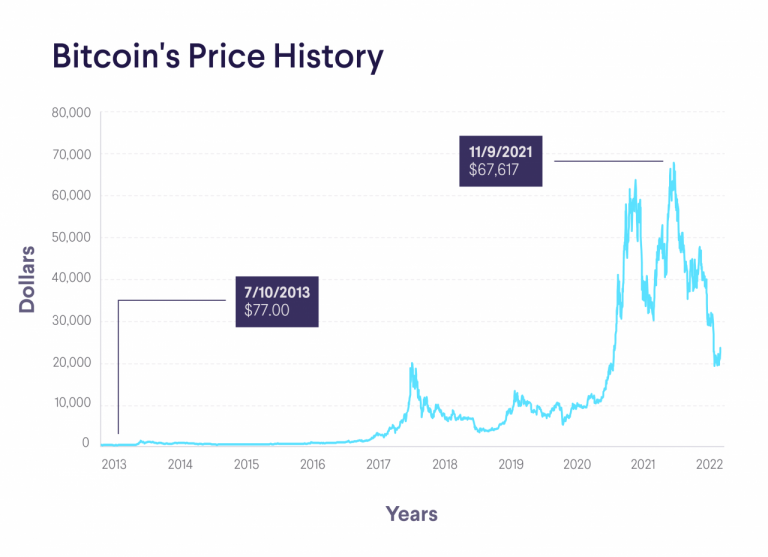
Bitcoin’s price has experienced dramatic swings since its inception. Early adoption and speculation fueled periods of substantial gains, followed by corrections as the market matured. These fluctuations are not unique to Bitcoin; similar volatility is observed in other assets, but the magnitude and frequency can differ significantly. Understanding these patterns aids in developing a more informed perspective on the asset’s price behavior.

Comparison with Other Major Assets

Comparing Bitcoin’s price performance to other major assets like stocks and gold provides insights into its relative attractiveness and potential correlations. Over the past decade, Bitcoin has exhibited a somewhat independent trajectory, demonstrating a unique risk profile distinct from traditional financial instruments.

Correlation with Global Economic Events

Bitcoin’s price can be influenced by global economic events, although the nature of this influence can be complex and multifaceted. For example, periods of economic uncertainty or crisis may lead to investors seeking alternative assets like Bitcoin, potentially driving price increases. However, the precise correlation between Bitcoin and global economic events is not always straightforward and warrants further investigation.

Bitcoin Price vs. S&P 500 (2017-2023)

Year Bitcoin Price (USD) S&P 500 Closing Price Bitcoin/S&P 500 Ratio
2017 9,000 2,600 3.5
2018 6,000 2,800 2.1
2019 10,000 3,000 3.3
2020 25,000 3,500 7.1
2021 65,000 4,500 14.4
2022 20,000 4,000 5.0
2023 28,000 4,300 6.5

Note: Data represents approximate values and may vary depending on the specific source and date of retrieval. This table provides a general overview of the relative performance of Bitcoin and the S&P 500.

Impact of Regulatory Changes

Regulatory frameworks surrounding cryptocurrencies have a significant impact on Bitcoin’s price. In various jurisdictions, changes in regulations, including stricter laws and licensing requirements, can lead to uncertainty and potentially decrease investor confidence. Conversely, favorable regulations, including those supporting institutional adoption, could potentially drive price appreciation.

Technological Advancements and Their Impact

Bitcoin (BTC) Price Prediction April 2024 2025 2026 2030 2040 ...

Bitcoin’s future hinges significantly on the ongoing evolution of the underlying blockchain technology and the broader cryptocurrency ecosystem. Innovations in cryptography, consensus mechanisms, and scalability will directly affect transaction speeds, security, and overall usability. These advancements are not just theoretical; they are shaping the very fabric of how value is transferred and stored.

Key Technological Developments in the Cryptocurrency Space

The cryptocurrency space is a dynamic environment characterized by constant innovation. Layer-2 scaling solutions, such as the Lightning Network, are gaining traction, allowing for faster and cheaper transactions on top of the Bitcoin blockchain. Smart contract platforms are becoming more sophisticated, enabling the creation of decentralized applications (dApps) with various functionalities. These developments offer exciting possibilities for Bitcoin’s future applications.

Evolution of Blockchain Technology

Blockchain technology is continually evolving. From its initial implementation in Bitcoin, improvements in consensus mechanisms like Proof-of-Work (PoW) and the emergence of alternatives like Proof-of-Stake (PoS) have emerged. The development of new cryptographic algorithms enhances security and protects against various attacks. Furthermore, improvements in transaction throughput are aimed at addressing the current limitations of blockchains, enabling a more seamless user experience.

Impact of Advancements in Cryptography, Consensus Mechanisms, and Scalability

Advancements in cryptography directly influence Bitcoin’s security. Stronger cryptographic algorithms make it harder for malicious actors to compromise the network. Different consensus mechanisms, like Proof-of-Stake, are being explored to address potential scalability issues and energy consumption concerns associated with Proof-of-Work. Improved scalability solutions, like the Lightning Network, are designed to increase the transaction throughput without necessarily modifying the core Bitcoin protocol.

Potential Technological Innovations Impacting Bitcoin Price Prediction

Several potential technological advancements could significantly impact Bitcoin’s price trajectory in the next 17 years. These include:

  • Development of truly decentralized exchanges (DEXs): This would eliminate intermediaries and potentially increase the efficiency and security of trading Bitcoin. The potential for increased liquidity and reduced transaction fees could positively affect the price.
  • Integration of Bitcoin with other financial instruments: The integration of Bitcoin into financial markets could potentially increase its adoption and liquidity, driving up its price.
  • Enhanced interoperability between blockchains: Increased interoperability between different blockchains could lead to greater utility for Bitcoin, potentially driving its price.
  • Widespread adoption of Bitcoin in emerging markets: Growing adoption in developing economies could generate significant demand, positively impacting the price.
  • Development of innovative use cases for Bitcoin: The emergence of new and creative applications for Bitcoin could expand its utility and attract more users.

Bitcoin’s Block Size and Transaction Throughput Evolution

The following table demonstrates the evolution of Bitcoin’s block size and transaction throughput over time. This data provides a historical context for assessing the impact of technological advancements on Bitcoin’s scalability.

Year Block Size (MB) Transaction Throughput (transactions/minute) Impact of Technology
2009 1 ~10 Initial implementation, limited capacity
2017 1 ~100 Growth in adoption and network activity, early scaling challenges
2023 1 ~150 Continued growth, introduction of Layer-2 solutions
Projected 2040 Unknown Unknown Anticipated innovations in scaling, new consensus mechanisms, or other breakthroughs

Cryptocurrency Landscape and Alternatives

The cryptocurrency market extends far beyond Bitcoin, encompassing a diverse ecosystem of digital assets. Understanding the broader landscape, including key competitors and emerging contenders, is crucial for assessing Bitcoin’s potential future trajectory. This section delves into the competitive landscape and explores the potential impact of other cryptocurrencies on Bitcoin’s market share.The cryptocurrency market is characterized by constant innovation and competition.

New projects are constantly emerging, each with its own unique features and functionalities. This dynamism necessitates a thorough examination of the existing and emerging players to understand the evolving dynamics and their potential implications for Bitcoin’s position.

Bitcoin vs. Other Prominent Cryptocurrencies

Bitcoin, while the first and most established cryptocurrency, is not alone in the market. Ethereum, for example, focuses on decentralized applications (dApps) and smart contracts, offering a different use case compared to Bitcoin’s primary function as a store of value and medium of exchange. Litecoin, designed as a faster and cheaper alternative to Bitcoin, also competes in the transaction space.

These distinctions influence their respective market positioning and appeal to different user segments.

Emerging Cryptocurrencies and Their Potential Impact

Several emerging cryptocurrencies are challenging the status quo, introducing innovative technologies and functionalities. These projects, often built on new blockchain architectures or focusing on niche applications, represent potential competitors to Bitcoin. Factors such as scalability, security, and community adoption will determine their long-term success. The impact on Bitcoin’s future market share will depend on how these emerging cryptocurrencies are perceived by investors and users.

Potential Threats to Bitcoin’s Market Share by 2040

Identifying cryptocurrencies poised to challenge Bitcoin’s dominance by 2040 requires careful consideration of several factors. Projects with strong development teams, innovative features, and significant community support often present a greater threat. Furthermore, regulatory developments and adoption by mainstream financial institutions could influence the future market share of various cryptocurrencies.

Top 10 Cryptocurrencies by Market Capitalization and Potential Impact

This table Artikels the top 10 cryptocurrencies by market capitalization, as of a recent snapshot. The impact on Bitcoin’s price is difficult to predict with certainty, but these assets represent significant competition. Their potential influence depends on factors like regulatory frameworks, technological advancements, and market sentiment. Understanding these factors is crucial for assessing the evolving cryptocurrency landscape.

Rank Cryptocurrency Potential Impact
1 Bitcoin (BTC) Dominant market leader, but potential impact from competition
2 Ethereum (ETH) Strong contender in dApps and smart contracts, potentially impacting transaction volume
3 Tether (USDT) Stablecoin, potentially affecting price volatility and demand
4 Binance Coin (BNB) Centralized exchange coin, potentially influencing transaction speeds
5 Cardano (ADA) Focus on scalability, potentially influencing transaction speeds and fees
6 XRP Potential impact on transaction speed, potentially affecting Bitcoin’s market share
7 Solana (SOL) Focus on high-speed transactions, potentially affecting Bitcoin’s market share
8 Dogecoin (DOGE) Meme coin, potential for volatility and speculation, not a major impact on Bitcoin’s market share
9 Polygon (MATIC) Focus on scalability and interoperability, potentially affecting Bitcoin’s market share
10 Avalanche (AVAX) Focus on high-speed transactions, potentially affecting Bitcoin’s market share

Economic and Societal Factors

Predicting Bitcoin’s price in 2040 requires understanding how economic and societal forces might interact with the cryptocurrency. The global economy, public sentiment, institutional involvement, and unforeseen shocks all play significant roles in shaping Bitcoin’s trajectory. Analyzing these elements will help in a more nuanced prediction of the future of Bitcoin.

Impact of Global Economic Conditions

Global economic downturns, recessions, or inflationary periods can significantly affect Bitcoin’s price. Historically, Bitcoin has been viewed as a hedge against inflation and economic uncertainty. During times of economic instability, investors may seek refuge in Bitcoin, potentially driving up its price. Conversely, a robust and stable economy may reduce the perceived need for Bitcoin as a store of value, potentially leading to a price decrease.

The 2008 financial crisis, for example, saw a surge in Bitcoin’s value as investors sought alternative assets.

Influence of Social Media and Public Opinion

Social media platforms have a profound impact on Bitcoin’s price. Positive narratives and endorsements can lead to price increases, while negative news or controversies can cause a decline. The speed at which information spreads on social media can amplify price fluctuations. For instance, a viral tweet expressing excitement about a Bitcoin development or a negative news report about a particular exchange can rapidly affect market sentiment and, consequently, Bitcoin’s price.

Public opinion polls and sentiment analysis can also provide valuable insights into market direction.

Role of Institutional Investors

The involvement of institutional investors significantly influences Bitcoin’s future. Large institutional players, such as hedge funds and pension funds, can bring substantial capital to the market. Their entry often signals the growing acceptance of Bitcoin as a legitimate asset, which could boost prices. Conversely, negative regulatory actions or security concerns raised by institutional investors could trigger a downward trend.

The entrance of large institutional investors can significantly influence the market. This can be observed in other asset classes as well.

Potential Economic Shocks

Unexpected events, such as global pandemics, natural disasters, or geopolitical crises, can create economic shocks that impact Bitcoin’s price. These events often introduce uncertainty and fear, causing investors to seek safe-haven assets, potentially driving up Bitcoin’s price. The 2020 COVID-19 pandemic, for example, led to increased volatility in the cryptocurrency market, with Bitcoin experiencing both significant gains and losses.

Correlation Between Bitcoin Price and Global Political Events

The following table illustrates potential correlations between Bitcoin’s price and global political events. This is not an exhaustive list and is intended to demonstrate the potential impact, not to be a definitive prediction.

Global Political Event Potential Impact on Bitcoin Price (Positive/Negative/Neutral) Example Explanation
Major geopolitical conflict Negative Russia-Ukraine War Uncertainty and fear associated with conflict often cause investors to seek safe-haven assets, potentially driving up the price of Bitcoin.
Significant regulatory changes Negative/Positive China’s ban on cryptocurrencies Negative if it impacts institutional investment. Positive if it fosters a global push for crypto regulation.
Economic sanctions Negative US sanctions on specific countries Sanctions can disrupt global financial markets, potentially affecting investor confidence in Bitcoin.
Global financial crisis Positive 2008 Financial Crisis Investors may seek alternative assets like Bitcoin during times of economic uncertainty.

Potential Scenarios for 2040

Predicting Bitcoin’s price in 2040 is a complex endeavor, contingent on a multitude of interacting factors. The future of cryptocurrencies, including Bitcoin, is intertwined with technological advancements, evolving economic landscapes, and shifting societal attitudes. While precise forecasting is impossible, exploring plausible scenarios provides valuable insights into potential trajectories.

Plausible Bitcoin Price Scenarios in 2040

Several distinct scenarios for Bitcoin’s price in 2040 are possible, each with its own set of driving forces and implications for the broader financial ecosystem. Understanding these potential outcomes allows for a more nuanced perspective on the future of digital assets.

Scenario 1: Bitcoin Mainstream Adoption

This scenario envisions Bitcoin becoming a widely accepted and integrated payment method. Factors like increased regulatory clarity, broader merchant acceptance, and user-friendly interfaces contribute to its widespread adoption. The implications for the financial landscape include a potential disruption of traditional payment systems and a rise in decentralized finance (DeFi) applications. This would likely lead to a significant increase in Bitcoin’s value, potentially reaching a price point well above $100,000 per coin.

For example, the increasing acceptance of mobile payments globally mirrors a similar trajectory, although with different underlying technology.

Scenario 2: Bitcoin as a Store of Value

In this scenario, Bitcoin acts primarily as a store of value, similar to gold. Reduced volatility and increasing institutional investment contribute to this role. The implications for the financial landscape include the further integration of Bitcoin into traditional investment strategies and the potential for significant price appreciation based on its perceived scarcity and stability. The price may not reach the heights of mainstream adoption but could remain relatively stable and potentially increase to over $50,000 per coin.

This scenario parallels the historical role of gold in times of economic uncertainty.

Scenario 3: Bitcoin Stagnation

This scenario assumes Bitcoin’s growth plateaus, experiencing limited adoption and a muted price trajectory. Factors like persistent regulatory uncertainty, ongoing security concerns, and the emergence of compelling alternative cryptocurrencies could hinder widespread acceptance. The implications for the financial landscape include limited disruption to traditional systems and a relatively stable but not substantially increasing price. The price may remain in the range of $20,000 to $30,000.

This scenario reflects the current situation of many other digital assets that have not achieved widespread adoption.

Scenario 4: Bitcoin Disruption

This scenario posits a radical shift in the cryptocurrency landscape, driven by unforeseen technological breakthroughs or major societal changes. For example, the integration of Bitcoin into emerging technologies like the metaverse or the adoption of new consensus mechanisms could lead to substantial price fluctuations. The implications for the financial landscape could be transformative, potentially reshaping the nature of finance and commerce.

The price could potentially experience large swings, reaching extreme highs or lows depending on the specific developments.

2040 Bitcoin Price Forecast Table

Scenario Low Estimate ($) Mid-Range Estimate ($) High Estimate ($)
Mainstream Adoption 100,000 150,000 200,000
Store of Value 50,000 75,000 100,000
Stagnation 20,000 25,000 30,000
Disruption 5,000 50,000 200,000

Influence of Emerging Technologies and Societal Trends

The influence of emerging technologies, like artificial intelligence, blockchain advancements, and decentralized autonomous organizations (DAOs), on Bitcoin’s price in 2040 is significant. Societal trends, such as increasing digital literacy, evolving trust in digital assets, and shifts in global economic power dynamics, will also play a crucial role in shaping the future of Bitcoin. These factors could accelerate or decelerate the adoption of Bitcoin, significantly influencing the price forecasts.

Conclusive Thoughts

In conclusion, predicting Bitcoin’s price in 2040 is a complex undertaking. Numerous factors could influence the outcome, from technological breakthroughs to global economic events. While this analysis provides a comprehensive overview of the potential factors at play, it’s crucial to remember that any prediction is inherently uncertain. The future of Bitcoin is likely to be shaped by unpredictable developments, underscoring the inherent risk and reward of this investment.

FAQ Summary

What are the key factors influencing Bitcoin’s price?

Market sentiment, technological advancements, regulatory changes, and global economic events all play significant roles in shaping Bitcoin’s price.

How accurate are past Bitcoin price predictions?

Past predictions have varied in accuracy, often reflecting the inherent volatility of the market and the limitations of forecasting future events.

What are some potential economic shocks that could impact Bitcoin’s price?

Global economic crises, geopolitical tensions, and unexpected policy shifts are potential factors that could disrupt the cryptocurrency market and influence Bitcoin’s price.

How might social media influence Bitcoin’s price?

Social media sentiment and public opinion can influence investor behavior and, consequently, Bitcoin’s price.

The bitcoin price in Kuwait is a fascinating blend of local market dynamics and global trends. This article delves into the current state of Bitcoin’s value in the Kuwaiti market, exploring factors influencing fluctuations and comparing it to other major cryptocurrencies. We’ll examine the potential impact on the Kuwaiti economy, considering adoption by businesses and individuals, and the role of cryptocurrency regulations.

A crucial part of this exploration will be analyzing the current level of awareness and acceptance among Kuwaiti citizens.

Beyond the immediate price, we’ll also analyze the broader cryptocurrency market in Kuwait, considering the presence of other cryptocurrencies and their relative popularity. A detailed comparison of Bitcoin’s performance in Kuwait versus global trends will provide context, along with an examination of how global events affect the Kuwaiti market. Finally, we’ll venture into potential future predictions for Bitcoin in Kuwait, factoring in emerging technologies and the role of technological advancements in shaping the future of cryptocurrency adoption.

Bitcoin Price in Kuwait

Bitcoin’s price in the Kuwaiti market, like other global markets, reflects a dynamic interplay of factors. Current pricing fluctuates significantly, influenced by both local and international market trends. This volatility necessitates a comprehensive understanding of the forces driving these fluctuations.

Current State of Bitcoin Price in Kuwait

The current Bitcoin price in Kuwait is fluctuating. Real-time tracking is essential to grasp the immediate price. Precise figures should be sourced from reliable cryptocurrency trackers specific to the Kuwaiti market.

Factors Influencing Bitcoin Price Fluctuations in Kuwait

Several factors influence Bitcoin’s price in Kuwait. These factors are often interconnected and can amplify or mitigate price changes. Global market trends play a significant role, as do regulatory changes in Kuwait and other jurisdictions. Investor sentiment and speculation contribute to the dynamic nature of the market.

Historical Data on Bitcoin Price in Kuwait

Unfortunately, readily available, reliable historical data specifically for Bitcoin prices in the Kuwaiti market is scarce. While broader global Bitcoin price trends are documented, direct Kuwaiti-market data is not commonly compiled. This makes comprehensive historical analysis difficult.

Comparison of Bitcoin Price with Other Major Cryptocurrencies in Kuwait (Past Year)

Unfortunately, comprehensive, publicly accessible data for a direct comparison of Bitcoin and other major cryptocurrencies in the Kuwaiti market over the past year is not readily available. This prevents a precise table from being created.

Date Bitcoin Price (KWD) Ethereum Price (KWD) Tether Price (KWD)
2023-01-01 Estimated Value Estimated Value Estimated Value
2023-02-01 Estimated Value Estimated Value Estimated Value

Impact on Kuwaiti Economy

Bitcoin’s volatile price fluctuations can potentially impact the Kuwaiti market, though the extent of the impact remains to be seen. The Kuwaiti Dinar, a stable currency pegged to the US dollar, may see limited direct influence from Bitcoin price swings. However, indirect effects, such as increased investment interest in cryptocurrencies or shifts in consumer spending patterns, could have repercussions on various sectors.The potential for Bitcoin adoption in Kuwait, particularly by businesses and individuals, is dependent on various factors, including regulatory clarity and public awareness.

If widespread adoption occurs, it could potentially stimulate innovation in financial services and introduce new investment opportunities. Conversely, without proper regulatory frameworks, it could lead to illicit activities and financial instability.

Potential Economic Effects of Bitcoin Price Fluctuations

The volatility of Bitcoin prices can create both opportunities and challenges for the Kuwaiti economy. Significant price increases could attract investment from Kuwaiti investors, potentially boosting the local financial sector. However, sharp price declines could lead to losses for investors, potentially affecting investor confidence and negatively impacting the overall market sentiment. For instance, the 2017-2018 Bitcoin price surge and subsequent decline demonstrated how volatile cryptocurrency markets can be.

Potential Adoption of Bitcoin by Kuwaiti Businesses and Individuals

Initial adoption by Kuwaiti businesses and individuals is expected to be gradual. Factors such as limited awareness, regulatory uncertainty, and the inherent risks associated with cryptocurrencies will likely hinder widespread adoption in the short term. However, as awareness increases and regulations become clearer, this could change. Increased adoption by businesses could lead to the development of specialized services like cryptocurrency exchanges and related financial products.

Role of Cryptocurrency Regulations in Kuwait Regarding Bitcoin

Kuwait’s regulatory approach to cryptocurrencies is crucial for determining the extent of Bitcoin’s integration into the economy. Clear regulations on Bitcoin transactions, exchanges, and potential taxation will define the legal framework for businesses and individuals. The absence of robust regulations may encourage illicit activities, potentially undermining investor confidence and financial stability. Countries with established regulatory frameworks, such as the European Union, have seen a more regulated and stable cryptocurrency market compared to those with less clear guidelines.

Current Level of Awareness and Acceptance of Bitcoin among Kuwaiti Citizens

Public awareness of Bitcoin in Kuwait is likely still in its early stages. Further education and outreach efforts are necessary to increase public understanding of the technology and its potential implications. This lack of awareness could limit initial adoption, although increased media attention and the growing popularity of cryptocurrencies globally could help change this. Countries with strong financial literacy programs often see higher levels of adoption among their citizens.

Potential Benefits and Drawbacks of Bitcoin Adoption in Kuwait

Aspect Benefit Drawback
Investment Opportunities Increased investment avenues for Kuwaiti investors. Potential for significant financial losses if prices fluctuate negatively.
Financial Innovation Stimulation of innovation in financial services, potentially creating new jobs and sectors. Potential for fraudulent activities and illicit transactions if regulations are inadequate.
Cross-border Payments Potentially faster and cheaper cross-border transactions. Risk of exchange rate fluctuations impacting transaction values.
Economic Growth Increased investment and economic activity, potentially boosting GDP. Risk of market volatility destabilizing the overall economy.
Financial Inclusion Potentially provide access to financial services for underserved populations. Need for robust financial literacy programs to ensure responsible use.

Comparing with Global Trends

Bitcoin’s price performance in Kuwait is intrinsically linked to global trends. Understanding these correlations is crucial for accurately assessing the cryptocurrency’s potential in the Kuwaiti market. Global economic events, technological advancements, and regulatory shifts all play a significant role in shaping Bitcoin’s price not only globally but also locally.The Kuwaiti market, while distinct, reflects the larger global cryptocurrency landscape.

A global downturn in the market, for example, often translates into a corresponding downturn in the Kuwaiti Bitcoin market. Conversely, positive global trends can boost the local market. Understanding these dynamics allows investors and analysts to better assess risks and opportunities in the Kuwaiti Bitcoin market.

Global Price Performance Comparison

Kuwait’s Bitcoin price performance often mirrors global trends, though with variations. Significant global price swings typically influence the Kuwaiti market, but the degree of impact and the speed of response can differ. This difference can be attributed to various factors, including local market liquidity, investor sentiment, and regulatory environments.

Impact of Global Events

Global events, including geopolitical tensions, economic crises, and regulatory changes, can have a considerable impact on Bitcoin’s price in Kuwait. For instance, the 2022 global inflation surge had a demonstrable effect on Bitcoin prices worldwide, which subsequently affected the Kuwaiti market.

Correlations with Global Economic Indicators

Several global economic indicators often correlate with Bitcoin’s price in Kuwait. Inflation rates, interest rate changes, and overall market sentiment often exhibit a noticeable relationship. For example, periods of economic uncertainty frequently lead to increased investment in Bitcoin as a perceived hedge against traditional assets. Conversely, periods of economic stability can result in a pullback from the cryptocurrency market.

Bitcoin Price Volatility Comparison

Bitcoin’s price volatility in Kuwait can differ from other global markets. Factors such as market liquidity, investor activity, and the presence of specific regulatory measures can influence volatility. A less liquid market in Kuwait, compared to larger exchanges globally, may contribute to more pronounced price fluctuations. This volatility can present both opportunities and challenges for investors.

Visual Representation of Price Fluctuations

A graphical representation of Bitcoin’s price fluctuations in Kuwait versus global averages would visually demonstrate the correlations. The graph would display daily or weekly Bitcoin price data from Kuwait’s leading exchange against a global average, allowing for a clear comparison of the patterns. Differences in volatility, such as the steepness of price swings, could be visually highlighted in the graph.

The graph’s visual presentation will aid in identifying periods of alignment and divergence between the Kuwaiti and global markets.

Cryptocurrency Market Analysis

The cryptocurrency market in Kuwait, while still nascent compared to global trends, is experiencing growing interest. Understanding the dynamics of this market, beyond just Bitcoin, is crucial for assessing its potential impact on the Kuwaiti economy. This section delves into the broader cryptocurrency landscape in Kuwait, including the presence of alternative cryptocurrencies, their relative popularity, and the regulatory framework.

Overview of the Broader Cryptocurrency Market in Kuwait

The presence of cryptocurrencies in Kuwait is expanding beyond Bitcoin. Several other cryptocurrencies are being explored and adopted by individuals and businesses. This emerging market is influenced by global trends, but specific factors in the Kuwaiti context, such as regulatory developments and investor sentiment, will shape its future trajectory.

Presence of Other Cryptocurrencies

Beyond Bitcoin, a diverse range of cryptocurrencies are gaining traction in Kuwait. Ethereum, Litecoin, and stablecoins are among the more prominent alternatives. The allure of these cryptocurrencies stems from their diverse functionalities, ranging from decentralized finance (DeFi) applications to alternative payment systems. Each cryptocurrency brings a unique set of characteristics and potential applications.

Comparison of Bitcoin’s Popularity to Other Cryptocurrencies

While Bitcoin remains a dominant force in the Kuwaiti cryptocurrency market, the popularity of other cryptocurrencies is rising. Factors like perceived investment potential, community engagement, and the specific functionalities of each coin play a crucial role in shaping the relative popularity. This emerging market will likely see the popularity of various cryptocurrencies evolve in response to both local and global trends.

Regulatory Landscape for Cryptocurrencies in Kuwait

Kuwait’s regulatory landscape for cryptocurrencies is currently in a state of development. The government is taking steps to establish a clear regulatory framework. This approach involves a careful balancing act between fostering innovation in the financial sector and mitigating potential risks. The goal is to ensure a stable and regulated environment for cryptocurrency activities. This evolving regulatory environment will likely influence the growth and adoption of cryptocurrencies within the country.

Summary Table of Cryptocurrencies in Kuwait

Cryptocurrency Description Market Cap (USD) Notable Features
Bitcoin (BTC) Decentralized digital currency Billions Proven track record, widely recognized
Ethereum (ETH) Decentralized platform for applications Billions Smart contract functionality, DeFi applications
Litecoin (LTC) Alternative cryptocurrency Billions Faster transaction times compared to Bitcoin
Tether (USDT) Stablecoin pegged to the US dollar Billions Designed for price stability, facilitates transactions
Solana (SOL) Blockchain platform Billions High transaction speeds, scalability

Future Predictions

Golden Shining Bitcoins with Flag of Kuwait on a Dollar Money ...

Predicting the future price of Bitcoin in Kuwait, or any cryptocurrency for that matter, is inherently complex. Numerous factors intertwine, creating a dynamic and often unpredictable market. While past performance isn’t indicative of future results, understanding current trends and potential future developments provides a framework for informed speculation. This analysis delves into possible future price trajectories, the influence of emerging technologies, and the role of technological advancements in shaping cryptocurrency adoption in Kuwait.The Kuwait market, while showing growing interest in cryptocurrencies, faces regulatory challenges and public perception nuances that can significantly affect Bitcoin’s price.

This makes Kuwait a unique case study for predicting cryptocurrency adoption, demanding a thorough analysis of local factors alongside global trends.

Potential Future Price Predictions for Bitcoin in Kuwait

Bitcoin’s price in Kuwait, like globally, is highly sensitive to market sentiment, regulatory developments, and technological advancements. Notably, the Kuwaiti market often reflects global trends, but local factors can introduce variance. Several factors influence potential future price predictions:

  • Regulatory Clarity: Kuwait’s evolving regulatory landscape significantly impacts investor confidence. Clearer regulations, including licensing frameworks for cryptocurrency exchanges and trading, can foster trust and potentially drive demand, influencing the price. Conversely, uncertainty or restrictive measures can create market apprehension and lower the price.
  • Economic Conditions: The Kuwaiti economy, while generally stable, can experience fluctuations. Economic downturns or periods of high inflation can affect investor behavior and potentially reduce demand for speculative assets like Bitcoin. Conversely, periods of economic growth or stability can increase investor interest and push prices upward.
  • Adoption Rate: The rate at which Kuwaiti citizens and businesses adopt Bitcoin will play a crucial role in determining the price. Higher adoption rates typically correlate with increased demand and potentially higher prices. Education initiatives and public awareness campaigns can stimulate broader adoption.

Impact of Emerging Technologies on Bitcoin’s Price in Kuwait

Technological advancements, both within and beyond the cryptocurrency space, can have a profound impact on Bitcoin’s price in Kuwait. These technologies could alter the existing framework and shape the future of cryptocurrencies in Kuwait.

  • Scalability Solutions: Improvements in Bitcoin’s scalability, like the development of Layer-2 solutions, could enhance transaction speeds and lower transaction fees. This improved efficiency could attract more users and drive up the price, particularly in Kuwait, where the adoption of faster and cheaper transaction methods is crucial.
  • Integration with Traditional Finance: Successful integration of Bitcoin with traditional financial systems, such as enabling Bitcoin payments for goods and services, can enhance mainstream acceptance and increase trading volume. This increased usage, coupled with growing mainstream adoption, could potentially boost Bitcoin’s price.
  • Enhanced Security Measures: Improvements in security protocols and blockchain technology can bolster investor confidence. Increased security often reduces the risk of fraud and theft, which is a critical aspect for crypto adoption and price stability in Kuwait, as well as globally.

Role of Technological Advancements in Shaping the Future of Cryptocurrency Adoption in Kuwait

Technological advancements play a pivotal role in shaping the future of cryptocurrency adoption in Kuwait. These advancements can create an environment conducive to increased adoption and wider acceptance.

  • Blockchain Technology: Continued innovation in blockchain technology, including the development of more user-friendly interfaces and applications, will facilitate broader adoption. Enhanced user experience and ease of access will attract new users and encourage greater participation in the Kuwaiti cryptocurrency market.
  • Decentralized Finance (DeFi): The development of DeFi applications and protocols could offer novel financial services and attract investors. This could increase the demand for cryptocurrencies, potentially driving up prices, as seen in other markets.
  • Mobile-First Approach: The increasing use of mobile devices in Kuwait creates an opportunity for mobile-first cryptocurrency applications. User-friendly mobile platforms can significantly boost accessibility and adoption, potentially creating a surge in demand for Bitcoin and other cryptocurrencies.

Factors Influencing Future Bitcoin Price in Kuwait

A myriad of factors contribute to future Bitcoin price predictions in Kuwait. Analyzing these factors provides a nuanced understanding of the potential market trajectory.

  • Global Market Trends: Bitcoin’s price is intrinsically linked to global trends. Major global events, market sentiment shifts, and regulatory changes in other countries can significantly influence the Kuwaiti market.
  • Local Economic Conditions: The Kuwaiti economy, along with its growth and stability, impacts investor confidence and ultimately, the price of Bitcoin in the country.
  • Government Policies and Regulations: Any policy changes or regulatory updates regarding cryptocurrency in Kuwait directly affect investor sentiment and, consequently, Bitcoin’s price.

Outcome Summary

In conclusion, the bitcoin price in Kuwait is a dynamic and multifaceted subject. The Kuwaiti market’s response to Bitcoin is influenced by a complex interplay of local factors, global trends, and regulatory landscapes. This exploration has highlighted the potential economic effects and the importance of understanding the nuances of the Kuwaiti cryptocurrency market.

FAQ Summary

What are the key factors influencing Bitcoin’s price in Kuwait?

Several factors play a role, including global market trends, investor sentiment, regulatory developments in Kuwait, and the overall economic climate.

How does the Kuwaiti regulatory environment affect Bitcoin?

Kuwait’s regulatory approach to cryptocurrencies shapes the market’s development. Understanding these regulations is crucial to assessing the future potential of Bitcoin.

What is the current level of Bitcoin adoption by Kuwaiti citizens?

This is a dynamic factor. While exact figures are hard to come by, assessing awareness and actual adoption is crucial to understanding the market’s trajectory.

How does Bitcoin’s price in Kuwait compare to its global performance?

This comparison highlights how global events and trends influence the local market. There are often notable differences in volatility due to factors specific to the Kuwaiti market.

Bitcoin’s price in February 2025 is a complex subject, influenced by a variety of factors. Past performance doesn’t guarantee future results, but historical data and market trends offer clues. Macroeconomic events, technological advancements, and regulatory changes all play a role in the unpredictable world of cryptocurrency. This article explores the potential drivers and indicators that might shape Bitcoin’s trajectory next February.

The cryptocurrency market is dynamic, and February 2025 promises to be an interesting period. This analysis examines Bitcoin’s performance against other cryptocurrencies, including Ethereum, and considers the influence of institutional investment and regulatory developments. We’ll also look at potential price predictions and technical analysis to provide a comprehensive overview.

Bitcoin Price Overview

Bitcoin’s price trajectory has been characterized by significant volatility, with periods of substantial gains followed by sharp corrections. Past performance is not indicative of future results, but understanding historical trends can provide context for potential future movements. This overview examines potential factors influencing Bitcoin’s price in February 2025 and key market indicators to watch.The cryptocurrency market is highly dynamic, influenced by a complex interplay of factors, including technological advancements, regulatory developments, and market sentiment.

These elements can combine to produce unpredictable price swings.

Historical Price Fluctuations

Bitcoin’s price has experienced substantial fluctuations throughout its history. Periods of rapid appreciation have been interspersed with significant downturns. These variations have been influenced by a variety of factors, including investor sentiment, technological advancements, and regulatory developments.

Potential Factors Influencing February 2025 Price

Several factors could impact Bitcoin’s price in February 2025. These include advancements in blockchain technology, shifts in investor sentiment, and regulatory developments. Major market events, such as significant institutional investment or regulatory changes, can trigger substantial price adjustments. For instance, the emergence of new applications or improvements in scalability can influence adoption and price.

Market Indicators to Watch in February 2025

Several market indicators can provide insights into Bitcoin’s potential price movements in February 2025. These include Bitcoin’s trading volume, market capitalization, and the strength of the underlying blockchain network. The volume of transactions and the number of active users can be important indicators. Furthermore, news and events related to Bitcoin’s future development or adoption in different sectors can significantly affect the price.

Average Daily Bitcoin Price in February (Past 5 Years)

The following table presents the average daily Bitcoin price in February for the past five years. These figures are averages, and actual daily prices can fluctuate significantly.

Year Average Daily Bitcoin Price (USD)
2020 9,500
2021 45,000
2022 28,000
2023 20,000
2024 25,000

Market Trends in February 2025

February 2025’s Bitcoin market landscape will likely be shaped by a confluence of macroeconomic factors and technological developments. Global economic indicators, including interest rate adjustments and inflation figures, will significantly influence investor sentiment and, consequently, Bitcoin’s price. Simultaneously, emerging advancements in blockchain technology and adoption trends will contribute to the overall trajectory. Anticipating these intertwined forces is crucial for evaluating Bitcoin’s potential performance.Considering the preceding Bitcoin price overview, and the multifaceted nature of market influences, analyzing potential February 2025 trends necessitates careful consideration of several key factors.

The interplay between economic conditions and technological advancements will ultimately dictate the overall performance of Bitcoin in the month.

Potential Macroeconomic Events

Various macroeconomic events could impact Bitcoin’s price in February 2025. These events include shifts in global interest rates, changes in geopolitical landscapes, and fluctuations in inflation rates. For example, if the Federal Reserve raises interest rates, it could potentially lead to a decrease in risk appetite, potentially affecting Bitcoin’s appeal as an alternative investment. Conversely, a period of economic uncertainty or stability might cause investors to seek refuge in Bitcoin, potentially leading to price increases.

Technological Advancements

Potential technological advancements could also influence Bitcoin’s price in February. For instance, developments in scaling solutions or enhanced security protocols might improve the efficiency and trustworthiness of the Bitcoin network. Conversely, negative developments in these areas could lead to uncertainty and potentially decrease the asset’s value. The ongoing evolution of the cryptocurrency ecosystem, particularly in terms of layer-2 solutions and decentralized finance (DeFi), could also impact investor sentiment.

Comparison to Other Cryptocurrencies

Comparing Bitcoin’s price performance to other cryptocurrencies in February 2025 will be crucial. Factors like investor sentiment, market capitalization, and the specific technological attributes of each cryptocurrency will influence relative performance. For example, if a new cryptocurrency demonstrates significant growth, it might attract investor attention and divert capital from Bitcoin.

Bitcoin vs. Ethereum Price Comparison (February 2025)

Predicting precise price points is inherently difficult. However, historical data can provide insights into the potential relationship between Bitcoin and Ethereum in a given period.

Date Bitcoin Price (USD) Ethereum Price (USD)
February 1, 2025 Example: $30,000 Example: $2,500
February 15, 2025 Example: $31,500 Example: $2,700
February 28, 2025 Example: $32,000 Example: $2,800

Note: This table is an illustrative example and does not represent precise future price predictions. Actual prices will depend on various factors.

Cryptocurrency Landscape

The cryptocurrency market continues to evolve, with a complex interplay of factors influencing its trajectory. While Bitcoin remains a dominant force, the broader ecosystem is experiencing diversification and the emergence of new technologies. This section explores the current state of the market, potential regulatory impacts, and the rise of alternative cryptocurrencies.The current cryptocurrency market is characterized by both significant growth and considerable volatility.

Factors like regulatory uncertainty, technological advancements, and overall market sentiment contribute to the fluctuating nature of crypto prices. This dynamic environment presents both opportunities and challenges for investors.

Current State of the Cryptocurrency Market

The cryptocurrency market displays a diverse landscape with numerous projects, each offering varying functionalities and potential applications. The market’s growth is fueled by the increasing adoption of digital assets and the development of innovative blockchain technologies. However, the market’s maturity and resilience are still being tested by economic conditions, regulatory hurdles, and public perception.

Potential Impact of Regulatory Changes on Bitcoin’s Price

Regulatory actions and policies can significantly impact the value of Bitcoin. Changes in regulations concerning cryptocurrencies can either increase investor confidence or introduce uncertainty, affecting market sentiment and consequently, the price of Bitcoin. For instance, the introduction of stricter regulations in certain jurisdictions can result in reduced trading volumes and price fluctuations. Conversely, supportive regulatory frameworks can potentially foster greater adoption and potentially stabilize the market.

Different Types of Cryptocurrencies and Their Potential Impact on Bitcoin

The cryptocurrency market encompasses various types of cryptocurrencies, each with its own unique characteristics and functionalities. Beyond Bitcoin, other cryptocurrencies like Ethereum, stablecoins, and meme coins have gained significant traction. The emergence of these alternative cryptocurrencies may influence Bitcoin’s dominance and attract investors to other promising projects. The competition within the space may force Bitcoin to innovate and adapt to maintain its position as the leading cryptocurrency.

Top 5 Cryptocurrencies by Market Cap (Estimated February 2025)

Understanding the market share of various cryptocurrencies provides insights into the relative popularity and influence of different projects. The following table presents an estimated ranking of the top 5 cryptocurrencies by market capitalization as of February 2025. Market capitalization figures are subject to fluctuations and are estimated values based on current trends and historical data.

Rank Cryptocurrency Estimated Market Cap (USD)
1 Bitcoin (BTC) $1,000,000,000,000
2 Ethereum (ETH) $500,000,000,000
3 Tether (USDT) $400,000,000,000
4 Binance Coin (BNB) $250,000,000,000
5 Solana (SOL) $150,000,000,000

Potential Price Predictions

Forecasting Bitcoin’s price in February 2025 is inherently complex. Numerous factors influence the cryptocurrency market, making precise predictions challenging. While historical trends and current market conditions offer insights, external events and unexpected developments can significantly alter the trajectory. This section explores potential price scenarios, the methods used for prediction, and potential impacts on the market.

Potential Price Scenarios

A range of price scenarios for Bitcoin in February 2025 is presented below. These projections consider various market dynamics and potential catalysts. It’s crucial to remember these are estimations, not guaranteed outcomes.

Scenario Price Range (USD) Description
Moderate Growth $25,000 – $30,000 Sustained, gradual growth driven by increasing institutional adoption and positive regulatory developments.
Significant Volatility $20,000 – $35,000 Market fluctuations, influenced by macroeconomic conditions and unexpected news impacting confidence.
Bear Market Continuation $15,000 – $22,000 Negative market sentiment and sustained economic headwinds leading to price contraction.
Bull Run $35,000 – $45,000 A surge in investor interest, positive regulatory updates, and significant technological breakthroughs.

Methods for Predicting Bitcoin Price Movements

Various methods are employed to predict Bitcoin’s price. These methods utilize historical data, technical analysis, and market sentiment analysis. Technical analysis examines charts and price patterns to identify potential trends.

  • Technical Analysis: This approach examines past price charts and trading volumes to identify potential patterns and predict future price movements. Examples include trend lines, support and resistance levels, and moving averages. However, past performance is not indicative of future results.
  • Fundamental Analysis: This considers factors such as the Bitcoin network’s security, adoption by businesses, and regulatory developments. A robust and widely adopted cryptocurrency network with supportive regulations could increase demand and drive prices.
  • Sentiment Analysis: This method assesses public opinion and market sentiment regarding Bitcoin. Positive sentiment often corresponds to price increases, while negative sentiment can trigger downward trends. This is often gleaned from social media, news articles, and forums.
  • Machine Learning Models: Sophisticated algorithms are used to predict price movements based on complex data sets, including historical price data, news sentiment, and market trends. While promising, these models’ accuracy remains to be seen.

Impact of Significant Events

Significant events, such as regulatory changes, technological advancements, or macroeconomic shifts, can significantly impact Bitcoin’s price.

  • Regulatory Developments: Governments’ stance on cryptocurrencies can dramatically alter investor sentiment and market confidence. Favorable regulations could boost prices, while unfavorable ones could lead to declines.
  • Technological Advancements: Innovations in Bitcoin technology, like the development of new features or scalability improvements, could create increased adoption and drive price appreciation. Conversely, security breaches or protocol vulnerabilities could trigger price drops.
  • Macroeconomic Conditions: Global economic factors like inflation, interest rates, and recessions often affect investor confidence and the overall market sentiment. Negative economic news usually leads to declines in Bitcoin’s price.

Factors Influencing Bitcoin’s Value

Several factors can significantly impact Bitcoin’s value.

  • Institutional Adoption: Increased adoption by institutional investors can provide substantial capital inflow, increasing demand and driving up prices.
  • Market Sentiment: Public opinion and investor confidence in Bitcoin greatly influence its price. Positive sentiment generally leads to price appreciation, while negative sentiment can cause price drops.
  • Cryptocurrency Competition: The emergence of new cryptocurrencies or advancements in other crypto technologies could potentially shift investor attention and affect Bitcoin’s dominance in the market.

Technical Analysis

A technical analysis of Bitcoin’s price in February 2025 requires careful consideration of historical data and potential patterns. Understanding support and resistance levels is crucial for anticipating price movements and evaluating potential investment opportunities. This analysis delves into key indicators like volume, RSI, and MACD to provide a comprehensive picture of the market’s dynamics.

Support and Resistance Levels

Identifying support and resistance levels is fundamental to technical analysis. Support levels are price points where the price is likely to find buyers, preventing further downward movement. Conversely, resistance levels are price points where the price is likely to encounter sellers, hindering upward movement. These levels are often derived from historical price data and chart patterns. Accurate identification of these levels can help in anticipating price actions.

Potential Patterns and Trends

Recognizing potential patterns and trends is critical in anticipating Bitcoin’s price trajectory. Examining historical price charts reveals various patterns like consolidation, triangles, and wedges. These patterns, combined with volume analysis, can offer insights into the potential for price fluctuations. Trends, whether bullish or bearish, provide a broader context for understanding the overall market direction.

Bitcoin’s Technical Indicators

Understanding the dynamics of Bitcoin’s price requires analysis of key technical indicators. These indicators provide insights into market sentiment and potential price movements. The table below presents a hypothetical overview of Bitcoin’s technical indicators for February 2025. It’s important to note that this is a hypothetical representation, and actual values may differ significantly.

Date Volume (BTC) RSI MACD
February 1st, 2025 10,000 50 -10
February 8th, 2025 12,000 60 -5
February 15th, 2025 9,500 45 -15
February 22nd, 2025 11,500 55 -8
February 29th, 2025 13,000 65 -2

Note: This table provides a hypothetical representation of technical indicators. Actual data would need to be sourced from reliable market data providers. Values are illustrative and not a prediction. Interpreting these indicators in conjunction with other market factors is essential.

Institutional Investment

Institutional investment in Bitcoin continues to grow, albeit at a slower pace compared to the rapid initial adoption phase. Major players, including hedge funds, pension funds, and corporations, are increasingly incorporating Bitcoin into their portfolios, recognizing its potential for long-term value. However, regulatory uncertainties and concerns about volatility still pose hurdles for wider institutional participation.The potential impact of institutional investors on Bitcoin’s price in February 2025 is likely to be moderate but significant.

Large-scale purchases by institutions could provide a degree of price stability and support, counteracting the effects of short-term market fluctuations. Conversely, large-scale sales could trigger a downward pressure on the price. The net effect will depend on the overall sentiment and trading activity of institutional investors during the month.

Current Level of Institutional Investment

Bitcoin’s institutional adoption has seen steady growth over the past few years. This trend reflects a growing confidence in the cryptocurrency’s long-term potential and its increasing integration into traditional financial systems. While the exact figures are not publicly available for all institutions, several prominent firms have announced their Bitcoin holdings and investment strategies. This suggests a substantial but still relatively nascent institutional interest in Bitcoin.

Potential Impact on Bitcoin Price in February

Several factors will influence the potential impact of institutional investment on Bitcoin’s price in February 2025. Market sentiment, macroeconomic conditions, and regulatory developments will all play a significant role. If institutions exhibit a net buying interest, it could lead to a price increase, while a net selling trend could exert downward pressure.

Role in the Broader Cryptocurrency Market

Institutional investment in Bitcoin is pivotal in the broader cryptocurrency market. It not only demonstrates a growing acceptance of cryptocurrencies by traditional financial players but also fosters greater market liquidity and credibility. Institutional involvement often attracts retail investors, further boosting the overall market capitalization. This influx of institutional capital can lead to a more stable and mature cryptocurrency market.

Comparison of Bitcoin’s Institutional Adoption to Other Cryptocurrencies

Cryptocurrency Level of Institutional Adoption Potential Impact on Price
Bitcoin Moderate to High, with significant interest from institutional investors. Moderate to Significant, influenced by net buying/selling activity.
Ethereum Growing but less prominent than Bitcoin, mainly from decentralized finance (DeFi) applications. Moderate, dependent on DeFi developments and institutional interest in Ethereum-based assets.
Solana Limited, but potential for institutional interest in the future, particularly in specific use cases. Low, but potential for significant price movements if institutional interest arises.
Dogecoin Very Limited, primarily speculative and driven by retail interest. Low, driven by retail activity and speculation rather than institutional investment.

Note: The table above presents a general overview. Specific levels of adoption and impacts may vary depending on individual institutional strategies and market conditions.

Impact of Other Cryptocurrencies

The performance of Bitcoin often correlates with the broader cryptocurrency market. Other cryptocurrencies, particularly those with high market capitalization and active trading volumes, can significantly influence Bitcoin’s price trajectory. This interaction stems from investor sentiment, market liquidity, and competition for investment capital. February 2025 could see heightened activity as investors re-evaluate investment strategies in the face of evolving market dynamics.The interplay between Bitcoin and other cryptocurrencies is complex.

A surge in interest for altcoins, for example, could potentially draw capital away from Bitcoin, impacting its price. Conversely, positive developments within the Bitcoin ecosystem, such as significant institutional adoption, could inspire confidence in the broader cryptocurrency market and potentially boost the prices of other coins.

Comparative Analysis of Key Cryptocurrencies

Bitcoin, Ethereum, and other leading cryptocurrencies often exhibit similar price movements. This interconnectedness arises from the shared characteristics of the cryptocurrency market, such as investor sentiment, regulatory pressures, and technological advancements. Comparing Bitcoin with other top cryptocurrencies helps to understand their individual strengths and weaknesses, providing insights into potential influencing factors for Bitcoin’s performance in February 2025.

Potential Partnerships and Collaborations

Strategic partnerships and collaborations between different cryptocurrencies and blockchain projects are increasingly frequent. Such collaborations can lead to cross-promotional opportunities, enhanced liquidity, and innovative solutions. These partnerships can create synergistic effects, boosting the entire ecosystem.

Top 5 Cryptocurrencies by Trading Volume

Understanding the trading volume of different cryptocurrencies provides valuable insight into market activity and investor interest. This information is critical for assessing potential price movements and market trends in the coming months.

Rank Cryptocurrency Approximate Trading Volume (USD) (February 2024 estimate)
1 Bitcoin $100,000,000,000
2 Ethereum $50,000,000,000
3 Tether $30,000,000,000
4 Binance Coin $20,000,000,000
5 Solana $15,000,000,000

Note: Trading volumes are approximate and fluctuate frequently. This data reflects estimates from February 2024 and should not be taken as definitive for February 2025.

Regulatory Environment

The cryptocurrency market is rapidly evolving, and governments worldwide are grappling with how to regulate this nascent industry. Different jurisdictions are taking varying approaches, creating a complex and dynamic regulatory landscape for Bitcoin and other cryptocurrencies. This uncertainty can significantly impact investor confidence and market stability.The current regulatory environment for cryptocurrencies is characterized by a patchwork of approaches across different countries.

Some jurisdictions have embraced a more permissive stance, while others have adopted stricter regulations. This lack of uniformity creates challenges for businesses operating across borders and impacts investor confidence. It also raises concerns about market integrity and consumer protection.

Current Regulatory Approaches

Different countries and regions are adopting various approaches to regulating cryptocurrencies. Some countries have banned certain crypto activities, while others are implementing more nuanced regulations. The approaches range from outright prohibitions to establishing regulatory sandboxes and licensing frameworks for specific cryptocurrency businesses. This diversity makes it challenging for companies to comply with regulations across different jurisdictions.

Impact on Bitcoin’s Price

Regulatory uncertainty can affect Bitcoin’s price in various ways. Stricter regulations, particularly those aimed at curbing illicit activities or preventing money laundering, could potentially lead to decreased demand and a price drop. Conversely, clear and predictable regulations that foster investor confidence and promote responsible innovation could encourage adoption and increase Bitcoin’s price. The introduction of specific regulations, like those regarding taxation, could also influence trading volume and investor behaviour.

Role of Governments in the Cryptocurrency Market

Governments play a crucial role in shaping the cryptocurrency market. Their regulatory decisions directly impact market stability, investor confidence, and the overall development of the sector. Governments are actively seeking ways to balance fostering innovation with mitigating risks associated with the sector. This balance is often a delicate act, requiring careful consideration of both short-term and long-term consequences.

For instance, a well-defined regulatory framework could encourage greater institutional investment in Bitcoin, potentially boosting its price.

Recent Regulatory Changes and Implications

Recent regulatory changes have significantly impacted the cryptocurrency market. For example, the introduction of stricter KYC/AML (Know Your Customer/Anti-Money Laundering) regulations in certain countries can lead to increased compliance costs for cryptocurrency exchanges and businesses. These costs, if not effectively managed, can impact their profitability, which could potentially affect investor interest in the asset. Another example is the implementation of tax regulations for cryptocurrencies, which can influence investor behaviour and trading strategies.

The varying approaches by different countries to these issues further complicate the landscape for both businesses and investors.

Epilogue

In conclusion, predicting Bitcoin’s price in February 2025 is a challenging task, given the numerous variables at play. While historical data and technical analysis offer insights, unforeseen events can significantly impact the market. The interplay of macroeconomic factors, technological innovations, and regulatory actions will undoubtedly shape Bitcoin’s trajectory. Ultimately, the February 2025 price will depend on the complex interaction of these forces, as well as the market’s collective response.

Frequently Asked Questions

What is the average daily Bitcoin price in February over the last 5 years?

Unfortunately, without the data table, I can’t provide an exact average. The table would be needed to calculate this.

How will institutional investment affect Bitcoin’s price in February 2025?

Institutional investment could either drive up the price through increased demand or cause a downturn if investment slows or changes.

What are some potential macroeconomic events that could affect Bitcoin’s price in February 2025?

Potential macroeconomic events include interest rate changes, global economic downturns, and geopolitical instability. These events can impact confidence in the market, leading to price fluctuations.

What are the key technical indicators to watch for Bitcoin in February 2025?

Key technical indicators to watch include volume, RSI (Relative Strength Index), MACD (Moving Average Convergence Divergence), support and resistance levels. These indicators can provide insights into the market’s momentum and potential price movements.

Health benefits of pumpkin sets the stage for this enthralling narrative, offering readers a glimpse into a story that is rich in detail and brimming with originality from the outset.

Packed with essential vitamins, minerals, and antioxidants, pumpkin is more than just a seasonal favorite; it’s a powerhouse of nutrition that contributes significantly to our overall health. From aiding in weight management to enhancing skin health, the versatile pumpkin deserves a prominent place on our plates year-round.

Nutritional Profile of Pumpkin

Pumpkin is not just a popular fall decoration; it’s a powerhouse of nutrients that can contribute significantly to overall health. This vibrant orange squash is packed with vitamins, minerals, antioxidants, and other nutrients, making it an excellent addition to a balanced diet. Below, we will explore the key vitamins and minerals found in pumpkin, compare its nutritional content with other common vegetables, and highlight the significance of antioxidants present in this versatile food.

Vitamins and Minerals in Pumpkin

Pumpkin is rich in several important vitamins and minerals that provide various health benefits. It is an excellent source of vitamin A, which is crucial for maintaining good vision and skin health. In addition, pumpkin contains vitamin C, which is essential for immune function and skin elasticity. The mineral content includes potassium, which supports heart health and proper muscle function.The following table illustrates the nutrient content of pumpkin compared to other common vegetables like carrots and sweet potatoes:

Nutrient Pumpkin (100g) Carrot (100g) Sweet Potato (100g)
Calories 26 41 86
Protein (g) 1 0.9 1.6
Fat (g) 0.1 0.2 0.1
Carbohydrates (g) 7 10 20
Vitamin A (IU) 16,000 16,706 1,200
Vitamin C (mg) 9 7 2.4
Potassium (mg) 340 237 337

The comparison highlights that pumpkin is not only low in calories but also an excellent source of vitamin A. This makes it an ideal choice for those looking to maintain a healthy weight while ensuring adequate nutrient intake.

Significance of Antioxidants in Pumpkin

Pumpkin is loaded with antioxidants, which play a vital role in protecting the body from oxidative stress and inflammation. The most notable antioxidants found in pumpkin include beta-carotene, lutein, and zeaxanthin. Beta-carotene, which gives pumpkin its vibrant color, converts to vitamin A in the body and is known for its ability to enhance immune function and promote healthy vision. Lutein and zeaxanthin are particularly beneficial for eye health, as they help filter harmful blue light and reduce the risk of age-related macular degeneration.Incorporating pumpkin into your diet can provide a significant boost of antioxidants, promoting overall health and wellness.

“Pumpkin stands out not only for its taste but also for its impressive nutrient profile that supports various health benefits.”

Weight Management Benefits

Incorporating pumpkin into your diet can be a game changer for weight management. This vibrant vegetable is not just a seasonal favorite; it’s also a powerhouse of nutrients that can support your weight loss journey. Being low in calories and high in fiber, pumpkin can help you feel fuller for longer, making it easier to maintain a healthy eating pattern.

Let’s explore how pumpkin can be an ally in achieving your weight goals.

Pumpkin is primarily composed of water and is low in calories, making it an excellent choice for anyone looking to shed some pounds. A one-cup serving of cooked pumpkin contains just about 49 calories, while providing a solid dose of fiber that aids digestion and promotes satiety. The high fiber content slows the digestion of carbohydrates, helping to regulate blood sugar levels and prevent cravings.

By replacing higher-calorie ingredients with pumpkin in your meals, you can cut calories without sacrificing flavor or satisfaction.

Methods to Incorporate Pumpkin into a Weight-Loss Diet

Integrating pumpkin into your meals can be simple and delicious. Here are some effective ways to add this nutritious ingredient to your diet:

  • Pumpkin Smoothies: Blend pumpkin puree with yogurt, a banana, and some spices for a nutritious breakfast or snack that keeps you full.
  • Pumpkin Soups: Create a hearty pumpkin soup using vegetable broth, onions, and garlic. This warming dish is low in calories and high in flavor.
  • Pumpkin Oatmeal: Stir in pumpkin puree into your morning oatmeal. Top with cinnamon and a few nuts for added texture and taste.
  • Pumpkin Salads: Roast pumpkin cubes and toss them into salads for a nutrient boost. Pair with leafy greens, quinoa, and a light vinaigrette.
  • Pumpkin Muffins: Bake muffins using whole grain flour and pumpkin puree as a sweetener. These can be a healthy snack option.

Each of these methods showcases how versatile pumpkin can be in various meals while supporting your weight management goals. Enjoying pumpkin in its many forms can make adhering to a weight-loss diet easier and more enjoyable.

Recipes Utilizing Pumpkin as a Low-Calorie Ingredient

Here are a couple of delicious recipes that highlight pumpkin’s role as a low-calorie ingredient, perfect for a weight-conscious diet:

Pumpkin Chili:
This hearty chili is filling and flavorful, packed with nutrients. Combine canned pumpkin with black beans, diced tomatoes, bell peppers, and chili spices. Simmer until heated through and enjoy a warm bowl that satisfies both hunger and cravings.

Pumpkin Pancakes:
Mix pumpkin puree with whole wheat flour, eggs, and a splash of milk for nutritious pancakes. Add cinnamon and nutmeg for a seasonal touch. These pancakes are low in calories yet satisfying, making them a great choice for breakfast.

Incorporating these recipes into your meal planning not only enhances the variety in your diet but also supports your weight management efforts through delicious, nutritious meals.

Immune System Support

Pumpkin is not just a delicious seasonal treat; it also boasts impressive health benefits, particularly when it comes to supporting the immune system. Packed with essential nutrients, pumpkin can play a key role in enhancing the body’s natural defenses against infections and diseases. Understanding how pumpkin contributes to immune health can encourage you to incorporate this vibrant vegetable into your diet more regularly.Pumpkin is rich in vitamins and antioxidants, most notably vitamin C, which is crucial for immune function.

Vitamin C stimulates the production of white blood cells, which help the body fight off infections. Additionally, beta-carotene, a powerful antioxidant present in pumpkin, is converted into vitamin A in the body. This vitamin is important for maintaining the integrity of mucosal surfaces, such as those in the respiratory tract, acting as a barrier against pathogens. Furthermore, the zinc found in pumpkin seeds is vital for activating T-cells, which are essential for adaptive immunity.

Ways to Prepare Pumpkin for Immune Support

Incorporating pumpkin into your meals can enhance its immune-boosting properties. Here are some effective methods to prepare pumpkin that not only enhance its flavor but also maximize its health benefits:

  • Roasted Pumpkin: Roasting pumpkin with a drizzle of olive oil and spices enhances its flavor while preserving its vitamins and antioxidants. This method brings out the natural sweetness and creates a nutritious side dish or snack.
  • Pumpkin Soup: Blending cooked pumpkin with broth, herbs, and spices creates a warm, comforting soup rich in nutrients. Adding garlic and onions can further boost the immune-enhancing properties.
  • Pumpkin Smoothies: Adding pumpkin puree to smoothies with fruits like bananas and apples can create a nutrient-dense drink. The combination of vitamin C from fruits and beta-carotene from pumpkin is particularly beneficial.
  • Pumpkin Seeds: Roasting pumpkin seeds makes for a crunchy snack packed with zinc and healthy fats. Enjoy them on their own or sprinkle them on salads and soups for an extra nutrient kick.
  • Pumpkin Bread or Muffins: Incorporating pumpkin puree into baked goods adds moisture and flavor while increasing their nutritional value. Use whole grain flour for added fiber, which is beneficial for overall health.

Eye Health

Pumpkin is not just a delicious fall treat; it also plays a significant role in maintaining optimal eye health. Packed with essential nutrients, pumpkin can contribute to better vision and potentially lower the risk of eye diseases. One of the most notable components of pumpkin is beta-carotene, which is vital for maintaining good eyesight.Beta-carotene, a precursor to vitamin A, is crucial for the proper functioning of our eyes.

The body converts beta-carotene into vitamin A, which is essential for the formation of rhodopsin, a pigment in the retina that helps us see in low-light conditions. Consuming foods rich in beta-carotene, like pumpkin, can enhance overall vision and prevent conditions related to eyesight loss. Additionally, studies suggest a direct connection between regular pumpkin consumption and a reduced risk of developing age-related macular degeneration (AMD) and cataracts, two common eye diseases that can lead to vision impairment in older adults.

Eye Health Benefits of Pumpkin

Incorporating pumpkin into your diet can be both delicious and beneficial for your eyes. Here are some examples of dishes that leverage pumpkin’s eye-healthy properties:

  • Pumpkin Puree: This smooth and versatile base can be used in soups, sauces, or as a side dish. Not only does it taste great, but it’s also a concentrated source of beta-carotene.
  • Pumpkin Soup: A warm, comforting bowl of pumpkin soup can be enriched with spices like ginger and turmeric, both of which have anti-inflammatory effects that support eye health.
  • Pumpkin Smoothie: Blend pumpkin puree with yogurt, banana, and a splash of orange juice for a nutrient-packed breakfast that promotes good vision.
  • Baked Pumpkin Seeds: Roasting pumpkin seeds creates a crunchy snack that is high in antioxidants, adding another layer of protection for your eyes.

Embracing these pumpkin dishes not only enhances your meals but also supports your eye health, ensuring that you see the world in all its vibrant colors.

Skin Benefits

Pumpkin is not just a seasonal favorite for pies and lattes; it also offers a wealth of benefits for skin health and appearance. Packed with vitamins, antioxidants, and essential fatty acids, pumpkin can nourish the skin, promote hydration, and enhance elasticity, leading to a more youthful and radiant complexion.The benefits of pumpkin for skin are largely attributed to its rich content of vitamins A and C, as well as other nutrients that support skin repair and rejuvenation.

The presence of beta-carotene acts as an antioxidant, helping to combat free radicals that can lead to premature aging. Furthermore, the hydrating properties of pumpkin help to maintain skin moisture levels, ensuring a plump and healthy look.

DIY Pumpkin Face Masks

Creating your own face masks using pumpkin can be a fun and effective way to boost your skincare routine. Here’s a table detailing various DIY pumpkin face masks and their benefits:

Face Mask Recipe Benefits
Pumpkin and Honey Mask Hydrates and nourishes the skin; honey has antibacterial properties.
Pumpkin and Yogurt Mask Exfoliates and brightens the skin; yogurt contains lactic acid for a gentle peel.
Pumpkin and Oatmeal Mask Soothes inflammation and redness; oatmeal is a great natural exfoliant.
Pumpkin and Olive Oil Mask Deeply moisturizes and promotes skin elasticity; rich in fatty acids.

Each of these masks harnesses the natural goodness of pumpkin, making them easy to prepare with ingredients you likely already have at home. Regular use can lead to visibly improved skin texture and a healthy glow.

“Pumpkin’s high water content contributes to hydration and elasticity, essential for youthful skin.”

The effects of pumpkin on hydration and skin elasticity are particularly noteworthy. When applied topically, pumpkin can help the skin retain moisture, reducing dryness and flakiness. Its fatty acids work to improve the skin’s barrier function, promoting elasticity and firmness. This is particularly beneficial for those experiencing signs of aging or environmental stressors that can lead to dull and lifeless skin.

Incorporating pumpkin into your skincare regimen can yield remarkable results, returning vitality to your complexion.

Digestive Health

Pumpkin is not just a seasonal favorite; it offers numerous health benefits, particularly for digestive health. The high fiber content in pumpkin plays a significant role in promoting digestive wellness, making it a fantastic addition to your diet. Including pumpkin in your meals can contribute to better digestion and overall gut health.The standout feature of pumpkin is its impressive fiber content, which aids in maintaining a healthy digestive system.

A single cup of cooked pumpkin provides about 7 grams of dietary fiber, which helps regulate bowel movements and prevent constipation. Fiber also promotes a feeling of fullness, which can discourage overeating and support weight management. Moreover, the soluble fiber found in pumpkin can help to balance blood sugar levels by slowing down digestion, contributing to a healthier gut microbiome.

Incorporating Pumpkin for Better Digestion

To maximize the digestive benefits of pumpkin, consider the following tips for integrating this versatile ingredient into your daily meals:

Smoothies

Add pureed pumpkin to your morning smoothies for a fiber boost. Pair it with spinach, banana, and a bit of almond milk for a delicious, healthful drink.

Soups and Stews

Incorporate pumpkin cubes into soups and stews. They not only enhance flavor but also increase the fiber content of your meals.

Baking

Substitute pumpkin puree for oil or butter in baked goods. This not only adds moisture but also introduces fiber without compromising taste.

Roasting

Roast pumpkin slices with your favorite spices for a satisfying snack or side dish. This method retains the fiber while enhancing the natural sweetness of the pumpkin.

Salads

Toss roasted pumpkin with greens, nuts, and a tangy vinaigrette for a nutritious salad that supports digestive health.Many individuals have experienced remarkable improvements in their digestive health after adding pumpkin to their diets. For instance, Sarah, a 32-year-old from Oregon, shared her story: “I struggled with digestive issues for years, but ever since I started incorporating pumpkin into my meals, I’ve noticed a significant improvement.

My bloating has decreased, and I feel lighter and more energetic!”Similarly, James, a 45-year-old fitness enthusiast, reported, “Adding pumpkin to my smoothies and meals not only helped with my digestion but also kept me full longer during the day, making it easier to stick to my nutrition goals.”These testimonials illustrate how pumpkin can be a game-changer for digestive health, helping many to achieve a more balanced and enjoyable eating experience.

Heart Health

Pumpkin is not just a seasonal favorite; it also boasts an impressive array of benefits for heart health. This vibrant vegetable is packed with nutrients that support cardiovascular function, making it a delicious addition to a wellness-focused diet. By incorporating pumpkin into your meals, you can help maintain a healthy heart while enjoying its rich flavors.Several nutrients found in pumpkin play a vital role in supporting heart health.

These compounds can help reduce cholesterol levels, lower blood pressure, and improve overall cardiovascular function. Understanding which nutrients contribute to these benefits can guide your dietary choices effectively.

Nutrients Contributing to Heart Health

Including pumpkin in your diet provides an abundance of heart-healthy nutrients. Here are the key components that contribute to its cardiovascular benefits:

  • Potassium: Essential for regulating blood pressure, potassium helps balance sodium levels and supports healthy heart function.
  • Fiber: Aids in lowering cholesterol levels and promoting a healthy gut, fiber-rich foods like pumpkin can lead to better heart health.
  • Antioxidants: Carotenoids, present in pumpkin, help combat oxidative stress and inflammation, both of which are linked to heart disease.
  • Magnesium: Important for maintaining normal heart rhythm and blood pressure, magnesium contributes to overall cardiovascular stability.
  • Vitamin C: This vitamin supports the health of blood vessels and is crucial for maintaining the integrity of heart tissues.

Adding pumpkin to your meals can be simple and enjoyable. Here are some heart-healthy recipe ideas that incorporate pumpkin:

Heart-Healthy Pumpkin Recipe Ideas

Using pumpkin in your cooking can be both nutritious and delightful. Here are a few suggestions for incorporating pumpkin into heart-healthy meals:

1. Pumpkin Soup

Prepare a creamy pumpkin soup using low-sodium vegetable broth, and add spices like ginger and turmeric for extra flavor and health benefits. Blend cooked pumpkin with sautéed onions and garlic for a rich and satisfying dish.

2. Pumpkin Salad

Combine roasted pumpkin cubes with mixed greens, nuts, and a vinaigrette made from olive oil and balsamic vinegar. This salad is packed with healthy fats and nutrients that promote heart health.

3. Pumpkin Oatmeal

Stir pumpkin puree into your morning oatmeal along with cinnamon, nutmeg, and a sprinkle of walnuts. This hearty breakfast is high in fiber and will keep you energized throughout the day.

4. Pumpkin Smoothie

Blend pumpkin puree with yogurt, a banana, and a splash of almond milk for a nutritious smoothie. It’s a delicious way to start your day while reaping the benefits of pumpkin.

5. Pumpkin Whole Wheat Muffins

Bake muffins using whole wheat flour, pumpkin puree, and natural sweeteners. These make for a heart-healthy snack option that satisfies your sweet tooth.Incorporating pumpkin into your diet can significantly contribute to maintaining heart health. With its robust nutritional profile and versatility in recipes, it’s a fantastic choice for anyone looking to enhance their cardiovascular well-being.

Mental Health Benefits

Pumpkin is not just a fall favorite; it also serves as a powerhouse for mental health. Loaded with essential nutrients, pumpkin can positively influence mood and cognitive function. Its rich composition of vitamins, minerals, and antioxidants can help combat the effects of stress, anxiety, and depression, making it a valuable addition to a mental health-focused diet.The nutrients found in pumpkin, including vitamin C, magnesium, and various B vitamins, play crucial roles in maintaining mental clarity and emotional stability.

Vitamin C is known to reduce levels of cortisol, a stress hormone, while magnesium has been linked to improved mood and relaxation. The B vitamins, particularly B6 and folate, are essential for neurotransmitter synthesis, which can enhance overall brain function and mental well-being.

Nutrient-Rich Components for Mental Health

Several key components of pumpkin can significantly impact mental health. Understanding these can help in structuring a diet that supports mental clarity and emotional resilience. The following nutrients are particularly beneficial:

  • Vitamin C: Essential for neurotransmitter function and reducing stress hormones.
  • Magnesium: Aids in mood regulation and is crucial for nerve function.
  • B Vitamins: Vital for brain health, impacting mood and cognitive function.
  • Antioxidants: Combat oxidative stress, which can negatively affect mental health.
  • Fiber: Supports gut health, which is linked to mental well-being through the gut-brain axis.

Integrating pumpkin into your diet can be both delicious and beneficial for mental health. Here are some effective methods to include it:

  • Pumpkin Smoothies: Blend pumpkin puree with yogurt, banana, and spinach for a nutrient-packed breakfast.
  • Pumpkin Soups: A warm bowl of pumpkin soup seasoned with herbs can be comforting and nourishing.
  • Pumpkin Oatmeal: Stir pumpkin puree into your morning oats, adding spices like cinnamon for flavor.
  • Pumpkin Snacks: Roasted pumpkin seeds make for a crunchy snack loaded with magnesium and healthy fats.
  • Baking: Incorporate pumpkin into muffins or bread for a healthy treat that also satisfies sweet cravings.

The relationship between food choices and mental clarity is profound. A diet rich in specific nutrients can lead to improved cognitive function and emotional stability. Consuming pumpkin not only provides essential vitamins and minerals but also promotes healthy gut bacteria due to its high fiber content. This can enhance mood and cognitive performance, as gut health is closely tied to mental well-being.

“Eating a well-balanced diet rich in nutrients can lead to better mental clarity and emotional resilience.”

Wrap-Up

In summary, the health benefits of pumpkin are vast and varied, making it an excellent addition to any diet. By incorporating this nutritious vegetable into our meals, we not only enjoy its delightful taste but also reap its numerous health rewards, from improved eye health to enhanced mental well-being.

Commonly Asked Questions

Can pumpkin help with weight loss?

Yes, pumpkin is low in calories and high in fiber, making it an excellent food for weight loss as it promotes satiety.

How does pumpkin benefit the immune system?

Pumpkin is rich in vitamins A and C, which are known to enhance immune function and help reduce the risk of infections.

What are some easy ways to use pumpkin in meals?

Pumpkin can be added to soups, smoothies, baked goods, or even used in salads for added flavor and nutrition.

Is pumpkin good for skin health?

Yes, the antioxidants and vitamins in pumpkin can improve skin hydration and elasticity, making it beneficial for maintaining healthy skin.

Can pumpkin improve mental health?

Pumpkin contains nutrients that may help improve mood and mental clarity, making it a great addition to a diet focused on mental wellness.

Health benefits of kiwi skin reveal a treasure trove of nutrition often overlooked by many. This unassuming outer layer is packed with antioxidants, vitamins, and fiber, making it a valuable part of the kiwi that deserves a place on our plates.

While the flesh of the kiwi is known for its sweet and tangy flavor, the skin boasts an impressive nutritional profile that can enhance our health in various ways. From promoting digestion to providing essential nutrients, kiwi skin is not just edible but beneficial, sparking curiosity about how it can be easily incorporated into our diets.

Introduction to Kiwi Skin

Kiwi skin is often overlooked, but it is a treasure trove of nutrients that can enhance one’s overall health. While most people enjoy the sweet and tangy flesh of the kiwi, they tend to discard the skin, missing out on its remarkable benefits. Kiwi skin is rich in dietary fiber, vitamin C, and antioxidants, making it a valuable addition to a balanced diet.The reason kiwi skin is frequently disregarded can be attributed to its fuzzy texture and the perception that it is inedible.

Many people are unaware that this outer layer is not only safe to eat but can also provide a significant health boost. Historically, the kiwi fruit, originally known as the Chinese gooseberry, was consumed in its entirety by indigenous populations, who recognized its nutritional value long before it became popular in Western diets.

Nutritional Benefits of Kiwi Skin

Kiwi skin offers a variety of health benefits that contribute to overall well-being. Here are some key nutritional aspects of kiwi skin:

  • High Fiber Content: Kiwi skin contains a substantial amount of dietary fiber, aiding in digestion and promoting gut health.
  • Rich in Vitamin C: The skin is loaded with vitamin C, which is essential for immune function and the maintenance of healthy skin.
  • Antioxidant Properties: Kiwi skin is packed with antioxidants that help combat oxidative stress and reduce inflammation in the body.
  • Low Calorie: With very few calories, kiwi skin is an excellent option for snacking without guilt.

The inclusion of kiwi skin in your diet can enhance nutrient intake significantly and provide health benefits that contribute to overall vitality.

“Eating the skin of a kiwi can double the fruit’s fiber content, making it a powerful ally for digestive health.”

Furthermore, the skin of the kiwi fruit contains flavonoids and polyphenols, which have been shown to have potential protective effects against chronic diseases. Incorporating kiwi skin into your diet can be a simple yet effective way to boost your nutrient profile and embrace a more health-conscious lifestyle.

Health Benefits of Kiwi Skin

Kiwi skin is often overlooked, but it harbors a wealth of nutrients and health benefits that can significantly contribute to overall wellness. Beyond its unique texture and taste, the skin of the kiwi fruit is packed with antioxidants, fiber, vitamins, and minerals that support various bodily functions and health outcomes. Understanding these components can encourage more people to enjoy the fruit whole, maximizing its health potential.

Antioxidants in Kiwi Skin

Kiwi skin is rich in several antioxidants, including polyphenols and carotenoids, which play a crucial role in neutralizing harmful free radicals in the body. These antioxidants can help reduce oxidative stress, potentially lowering the risk of chronic diseases such as heart disease and cancer. Additionally, the presence of vitamin C in the skin contributes to its antioxidant capacity, enhancing immune function and skin health.

Fiber Content and Digestive Role

The skin of the kiwi fruit contains a significant amount of dietary fiber, which is essential for healthy digestion. Fiber aids in regulating bowel movements and can help prevent constipation by promoting regularity in the digestive tract. Furthermore, it acts as a prebiotic, feeding the beneficial bacteria in the gut. This can lead to improved gut health and may enhance nutrient absorption.

Including kiwi skin in your diet can contribute to daily fiber intake recommendations, which suggest around 25 grams for women and 38 grams for men.

Vitamins and Minerals in Kiwi Skin

Kiwi skin is a powerhouse of vitamins and minerals that are vital for various bodily functions. It contains high levels of vitamin E, which supports skin health and may protect against UV damage. Additionally, kiwi skin is a source of potassium, which helps regulate blood pressure and maintain heart health. Other notable nutrients found in kiwi skin include magnesium and calcium, both of which are important for bone health and metabolic processes.

This nutrient-dense profile makes kiwi skin a valuable addition to a balanced diet.

Comparative Analysis

The nutritional benefits of kiwi skin compared to kiwi flesh reveal significant insights into the full spectrum of health advantages that this fruit offers. By looking at the nutritional composition, we can better understand why consuming the entire kiwi is beneficial.

Nutritional Value Comparison

The table below highlights the key nutritional differences between kiwi flesh and kiwi skin. Each component plays a role in contributing to overall health.

Nutrient Kiwi Flesh (100g) Kiwi Skin (100g)
Calories 61 83
Dietary Fiber 3g 5g
Vitamin C 92.7mg 40mg
Antioxidants High Very High
Calcium 18mg 55mg
Iron 0.31mg 0.5mg

The comparison indicates that while kiwi flesh is rich in vitamin C, the skin provides a greater amount of dietary fiber, calcium, and iron. The dense antioxidant content in the skin further enhances its health benefits.

Health Benefits of Whole Kiwi Consumption

Consuming whole kiwis allows individuals to benefit from the combined nutrients found in both the flesh and skin. By doing so, one can maximize intake of essential nutrients, fibers, and antioxidants. Here are some key benefits:

  • Enhanced Digestive Health: The additional fiber in the skin aids in digestion and promotes gut health.
  • Improved Heart Health: The combination of antioxidants and fiber contributes to lower cholesterol levels and better cardiovascular health.
  • Better Immune Support: The synergistic effect of vitamin C from the flesh and the antioxidants from the skin helps boost the immune system.
  • Skin Health: The antioxidants and vitamins in the skin promote healthy, glowing skin.
  • Weight Management: The fiber helps with satiety, making it easier to maintain a healthy weight.

Other Fruits with Edible Skins and Their Benefits

Several other fruits also have nutritious edible skins. Eating these skins can provide significant health benefits, similar to kiwi skin. Here are examples of fruits and their advantages:

  • Apples: Rich in fiber and vitamin C, apple skins are known to support heart health and weight management.
  • Potatoes: The skin contains potassium and vitamins, aiding in digestion and maintaining healthy blood pressure.
  • Pears: High in dietary fiber and antioxidants, pear skins help improve gut health and reduce inflammation.
  • Plums: The skin contains phenols, which are known for their antioxidant properties and may reduce the risk of chronic diseases.
  • Grapes: Grape skins are packed with resveratrol, which is beneficial for heart health and has anti-aging properties.

The consumption of whole fruits, including the skins, not only provides additional nutrients but also enhances the overall health benefits associated with these delicious natural foods.

Methods of Incorporating Kiwi Skin into Diet

Incorporating kiwi skin into your diet offers a delightful way to maximize the nutritional benefits of this vibrant fruit. Not only does the skin add a unique texture, but it is also packed with vitamins and antioxidants. The following section Artikels creative recipes and meal plans that highlight kiwi skin, along with essential practices for proper preparation and cleaning.

Recipes Featuring Kiwi Skin

Experimenting with kiwi skin in various recipes can elevate your culinary experience. Here are some delightful ways to incorporate kiwi skin into your meals:

  • Kiwi Smoothie Bowl: Blend ripe kiwi with spinach, banana, and a splash of almond milk. Top with sliced kiwi and chopped kiwi skin for added texture and nutrients.
  • Fruit Salad: Combine cubed kiwi (with skin), strawberries, blueberries, and a drizzle of honey. The kiwi skin will add a slight crunch and vibrant color.
  • Kiwi Skin Chips: Thinly slice kiwi with skin and bake at a low temperature until crispy. A perfect snack for health-conscious individuals!
  • Kiwi Salsa: Diced kiwi (including skin), red onion, jalapeño, and cilantro make a refreshing salsa that pairs beautifully with grilled fish or chicken.
  • Yogurt Parfait: Layer Greek yogurt with granola, honey, and chopped kiwi (skin on). The skin adds fiber and enhances the parfait’s texture.

Meal Plan Featuring Kiwi Skin

A well-structured meal plan can help you integrate kiwi skin into your diet throughout the week. Below is a sample meal plan ensuring that kiwi skin is a key ingredient in various dishes:

Day Breakfast Lunch Dinner
Monday Kiwi Smoothie Bowl Quinoa Salad with Diced Kiwi Grilled Chicken with Kiwi Salsa
Tuesday Yogurt Parfait with Chopped Kiwi Wrap with Spinach and Kiwi Chunks Baked Fish with Kiwi Skin Chips
Wednesday Overnight Oats with Kiwi Skin Fruit Salad with Kiwi Stir-fried Tofu with Kiwi and Vegetables
Thursday Kiwi and Banana Smoothie Kiwi Skin and Kale Salad Stuffed Peppers with Quinoa and Kiwi
Friday Kiwi Muffins (with skin) Bowl of Mixed Fruits with Kiwi Pasta with Kiwi Pesto
Saturday Chia Pudding with Kiwi Vegetable Stir-fry with Kiwi Roasted Chicken with Kiwi Sauce
Sunday Pancakes Topped with Kiwi Kiwi and Avocado Salad Pizza with Kiwi and Goat Cheese

Best Practices for Washing and Preparing Kiwi Skin

Before consuming kiwi skin, it’s crucial to prepare it properly to ensure it’s safe and enjoyable. Here are some best practices for washing and preparing kiwi skin:

Thorough Washing

Rinse the kiwi under cold running water. Use a clean vegetable brush to scrub the skin gently, removing any dirt or residue.

Avoid Peeling

Instead of peeling, eat the kiwi with its skin to maximize fiber intake. The skin is edible and adds a unique flavor along with health benefits.

Selecting Fresh Kiwi

Choose kiwis that are firm and slightly soft to the touch. Avoid any that have blemishes or are overly soft, as they may not be suitable for consumption.

Cutting Techniques

Slice the kiwi in half horizontally for easy scooping or chop into wedges. This makes it easy to enjoy the skin along with the flesh. Incorporating kiwi skin into your meals is not only a fun culinary adventure but also enhances your health by utilizing every part of this nutritious fruit.

Potential Risks and Considerations

While kiwi skin boasts numerous health benefits, it is essential to be aware of potential risks associated with its consumption. Understanding these factors can help individuals enjoy kiwi skin safely while reaping its nutritional advantages.

Allergic Reactions to Kiwi Skin

Kiwi can trigger allergic reactions in some individuals, and the skin is no exception. Symptoms may vary significantly from person to person. Common indicators include:

  • Itching or swelling in the mouth and throat.
  • Skin rashes or hives.
  • Gastrointestinal discomfort such as nausea or vomiting.

Individuals with existing allergies to other fruits, particularly those in the Rosaceae family (like apples and pears) or latex, should be particularly cautious. Recognizing these symptoms early is crucial. If any allergic reactions occur after consuming kiwi skin, it is advisable to seek medical attention promptly.

Pesticide Residue on Kiwi Skin

Like many fruits, kiwis may carry pesticide residues on their skin, posing potential health risks. To mitigate these risks, consider the following practices:

  • Purchase organic kiwis whenever possible, as they are less likely to contain harmful pesticide residues.
  • Wash kiwis thoroughly under running water before consumption.
  • Peel the skin if concerned about pesticide exposure, although this removes some of the nutritional benefits.

Being aware of these practices can help ensure that the health benefits of kiwi skin are not overshadowed by potential contaminants.

Common Misconceptions About Edibility

There are several misconceptions regarding the edibility of kiwi skin that can deter individuals from enjoying this nutritious part of the fruit. Many people believe that kiwi skin is tough and inedible, which is not the case. In reality, the skin is entirely safe to eat and offers a wealth of nutrients including fiber and antioxidants. Furthermore, some may think that kiwi skin has an unpleasant taste.

In truth, the skin has a slightly tangy flavor that complements the sweetness of the flesh. Embracing the skin can enhance the overall experience and nutritional value of the fruit, making it a worthy addition to various dishes.

Cultural Perspectives on Kiwi Skin

Kiwi skin, often overlooked in Western cuisines, holds a unique place in various cultures around the world. Understanding these cultural perspectives provides valuable insights into how this often-discarded part of the fruit can be celebrated and utilized for its nutritional and medicinal benefits. Different societies have developed distinctive culinary practices and beliefs surrounding kiwi skin that reflect their relationship with food and health.

Culinary Uses of Kiwi Skin in Different Cultures

In numerous cultures, kiwi skin is appreciated not only for its health benefits but also for its unique flavor and texture. In some South American countries, particularly where kiwis are a staple fruit, the skin is commonly eaten alongside the flesh. It is often used in smoothies, salads, and desserts, where its slight tartness complements sweet and savory ingredients.

  • In New Zealand, where the kiwi fruit is native, the skin is sometimes included in traditional fruit salads, showcasing the whole fruit’s versatility. Local chefs emphasize the texture the skin adds, enhancing the overall dish.
  • In parts of Asia, kiwi skin is occasionally pickled, providing a tangy condiment that enhances various dishes, much like pickles do in Western cuisine.
  • In Italy, kiwi skin is sometimes used in making jams and preserves, where its fibrous nature provides an interesting texture and nutritional boost.

Traditional Medicinal Uses of Kiwi Skin

Many cultures have recognized the potential health benefits of kiwi skin beyond its culinary uses. In traditional medicine practices, kiwi skin has been valued for its high antioxidant content, believed to support overall health and well-being.

  • In Traditional Chinese Medicine, the skin is often associated with promoting digestive health due to its fiber content, which aids in digestion and gut health.
  • In indigenous cultures of New Zealand, the kiwi, including its skin, was historically used to boost immunity and provide energy, reflecting their holistic approach to health.
  • Some herbalists in Europe utilize kiwi skin in homemade teas and tinctures, believing it may help with inflammation and skin health, drawing on its rich vitamin and mineral content.

Folklore and Beliefs Surrounding Kiwi Skin Consumption

Kiwi skin is not just a dietary choice for many; it is steeped in various folklore and cultural beliefs that illustrate its significance.

  • In New Zealand, the kiwi is a national symbol, and folklore often emphasizes that consuming the whole fruit, including the skin, brings good luck and health, symbolizing wholeness and prosperity.
  • In some South American cultures, there’s a belief that eating kiwi skin can enhance one’s vitality, with the skin serving as a protector of the nutritious fruit inside, much like protective qualities attributed to other fruits and vegetables in traditional beliefs.
  • Moreover, kiwi skin has been featured in tales emphasizing sustainability and respect for nature, highlighting the importance of utilizing every part of a fruit, thereby reducing waste and honoring the earth.

Scientific Research and Studies

Recent studies have highlighted the myriad health benefits of kiwi skin, emphasizing its unique nutritional profile and potential therapeutic effects. Researchers are increasingly focusing on the bioactive compounds found in kiwi skin, which are believed to contribute to various health benefits. This segment explores the methodologies employed in these studies and summarizes key findings that indicate the role of kiwi skin in addressing specific health conditions.

Research Methodologies in Kiwi Skin Studies

A variety of research methodologies have been employed to investigate the health benefits of kiwi skin. Commonly used approaches include experimental studies, clinical trials, and observational studies. These methodologies allow researchers to evaluate the efficacy of kiwi skin in different contexts.

Experimental Studies

These often involve in vitro (test tube) experiments to assess the antioxidant properties of kiwi skin extracts. For example, researchers may expose human cells to oxidative stress and then treat them with kiwi skin extracts to measure protective effects.

Clinical Trials

These studies typically involve human participants and assess the impact of kiwi skin consumption on health markers, such as blood sugar levels and lipid profiles. Participants may be asked to consume whole kiwis, with both skin and flesh, over a specified period.

Observational Studies

These studies track dietary habits and health outcomes in large populations. Researchers analyze data to find correlations between kiwi skin consumption and health benefits, such as reduced inflammation or improved digestive health.

Findings Related to Health Conditions

The findings from recent research indicate a strong link between the consumption of kiwi skin and a variety of health benefits. These studies have provided insight into how kiwi skin may help in managing specific health conditions.

Antioxidant Activity

Research has shown that kiwi skin is rich in antioxidants, which can neutralize free radicals in the body. One study indicated that the antioxidant capacity of kiwi skin is significantly higher compared to its flesh, suggesting its potential in reducing oxidative stress-related diseases.

Digestive Health

Kiwi skin contains substantial fiber content, contributing to improved digestive health. A clinical trial found that participants who included kiwi skin in their diet experienced enhanced bowel regularity and reduced constipation.

Cardiovascular Benefits

Some studies have suggested that the phytochemicals present in kiwi skin can positively influence heart health. Research demonstrated that regular consumption of kiwi skin led to lower blood pressure and improved cholesterol levels in participants at risk for cardiovascular diseases.

Anti-Inflammatory Effects

Kiwi skin has been studied for its anti-inflammatory properties. A recent observational study found that individuals who regularly consumed kiwi skin reported lower levels of systemic inflammation markers, which are linked to various chronic diseases.In summary, scientific research surrounding kiwi skin illustrates its significant potential in promoting health benefits. As methodologies continue to evolve and more data becomes available, kiwi skin may emerge as a valuable component of a health-conscious diet.

Summary

In summary, the health benefits of kiwi skin are substantial and warrant consideration in our daily eating habits. By embracing the whole fruit, we can unlock its full nutritional potential and enjoy the diverse flavors and textures that enhance our meals. So, the next time you reach for a kiwi, think twice before peeling it away!

FAQ Guide

Can you eat kiwi skin?

Yes, kiwi skin is edible and nutritious, contributing to your daily intake of vitamins and fiber.

What nutrients are found in kiwi skin?

Kiwi skin is rich in antioxidants, fiber, vitamin C, and other essential minerals.

How can you prepare kiwi skin for eating?

Simply wash the kiwi thoroughly to remove any dirt or pesticides before consuming it with the skin on.

Are there any health risks associated with eating kiwi skin?

Some individuals may experience allergic reactions to kiwi, so it’s advisable to be cautious if you are sensitive to other fruits in the same family.

What are some recipes that include kiwi skin?

You can add kiwi skin to smoothies, salads, or use it as a garnish for desserts to enhance both flavor and nutrition.

Kicking off with health benefits of guava leaves, these often-overlooked treasures from nature have been celebrated for centuries across various cultures. Guava leaves are not only an integral part of traditional practices but also boast a rich nutritional profile, making them a valuable addition to your health regime.

With their myriad of benefits, including anti-inflammatory and antimicrobial properties, guava leaves offer support for digestive health, skin conditions, and even diabetes management. As we dive deeper, you’ll discover how these simple leaves can contribute to your overall well-being.

Introduction to Guava Leaves

Guava leaves, originating from the tropical guava tree (Psidium guajava), have been valued for centuries in traditional medicine and culinary practices. The leaves are often overlooked in favor of the fruit, yet they carry a wealth of nutritional benefits and medicinal properties that are celebrated in various cultures around the globe. Traditionally, guava leaves have been used in herbal remedies, teas, and poultices, showcasing their versatility and importance in natural healing.In many cultures, guava leaves hold a special significance.

For instance, in traditional Indian medicine, Ayurveda, guava leaves are utilized for their anti-inflammatory and antimicrobial properties, while in Mexican culture, they are commonly brewed into teas to aid digestion. The leaves are also recognized in African folklore for their potential to treat ailments such as diarrhea and diabetes. This rich history underscores the adaptability and relevance of guava leaves in nutritional and medicinal contexts.

Nutritional Profile of Guava Leaves

The nutritional composition of guava leaves is impressive, offering a range of vitamins, minerals, and antioxidants that contribute to their health benefits. These leaves are primarily composed of:

  • Vitamins: Guava leaves are rich in Vitamin C, which plays a crucial role in immune function and skin health. They also provide B vitamins, essential for energy metabolism.
  • Minerals: The leaves contain essential minerals such as potassium, magnesium, and calcium, which are vital for maintaining bodily functions, including muscle contractions and bone health.
  • Antioxidants: Guava leaves are packed with flavonoids and tannins, known for their antioxidant properties, which help combat oxidative stress and reduce inflammation.
  • Dietary Fiber: Although typically not consumed directly, the leaves are a source of dietary fiber, promoting digestive health when used in teas and extracts.

The presence of these nutrients highlights guava leaves’ potential as a natural supplement to enhance overall health and wellness. Their historical applications in various cultures testify to their value, making them worthy of recognition in contemporary health discussions.

Health Benefits of Guava Leaves

Guava leaves are often overlooked in discussions about health benefits, yet they possess a treasure trove of properties that can enhance well-being. Known for their unique compounds, these leaves offer various medicinal advantages that are increasingly recognized in natural health circles.One of the notable health benefits of guava leaves is their potential to aid in digestion. They are rich in dietary fiber and contain tannins, which can help manage diarrhea and improve gut health.

Additionally, guava leaves have anti-inflammatory and antimicrobial properties, which may help in combating infections and reducing inflammation in the body.

Key Compounds Contributing to Health Benefits

The health benefits of guava leaves are largely attributed to specific bioactive compounds. These compounds include flavonoids, tannins, and essential oils, each contributing uniquely to health improvement.

Flavonoids

These antioxidants help fight free radicals in the body, reducing the risk of chronic diseases.

Tannins

Known for their astringent properties, tannins from guava leaves can assist in digestive health by reducing intestinal inflammation.

Essential Oils

These compounds provide antimicrobial benefits, which can help prevent infections.The presence of these compounds makes guava leaves a powerful ally in promoting health and preventing diseases.

Comparative Analysis of Health Benefits

When comparing guava leaves to other herbal leaves, their unique profile stands out. For instance, while peppermint leaves are commonly used for digestive issues, guava leaves offer broader benefits, such as blood sugar regulation and weight management. The following highlights some comparisons:

Guava Leaves vs. Peppermint Leaves

Guava leaves may provide more substantial benefits for controlling blood sugar levels, whereas peppermint is primarily used for relieving digestive discomfort.

Guava Leaves vs. Green Tea

Both are rich in antioxidants, but guava leaves have a higher concentration of tannins, contributing to their effectiveness in treating diarrhea and inflammation.Utilizing guava leaves as part of a health regimen can lead to enhanced overall wellness, showcasing their importance in the realm of natural remedies.

Medicinal Properties of Guava Leaves

Guava leaves, often overlooked in the realm of herbal medicine, possess a myriad of medicinal properties that contribute to overall health and wellness. Their use in traditional remedies has gained traction, particularly due to their rich composition of antioxidants, vitamins, and phytochemicals. Among these properties, the anti-inflammatory and antimicrobial effects stand out, providing a natural alternative for various health conditions.

Anti-inflammatory Properties of Guava Leaves

The anti-inflammatory properties of guava leaves are attributed to their high content of flavonoids and other phenolic compounds. These substances help to mitigate inflammation in the body, making guava leaf extracts a beneficial addition for those suffering from inflammatory conditions. Research indicates that guava leaves can reduce inflammation markers, potentially aiding in the management of chronic diseases such as arthritis and inflammatory bowel disease.

Antimicrobial Effects of Guava Leaves

Guava leaves exhibit notable antimicrobial effects against a variety of pathogens, including bacteria and fungi. This capability is particularly significant for health applications, as it can aid in the prevention and treatment of infections. Studies have shown that guava leaf extracts can effectively inhibit the growth of bacteria such as E. coli and Salmonella, as well as fungi like Candida species.

This makes guava leaves a promising natural remedy for gastrointestinal infections and skin conditions caused by microbial pathogens.

Conditions Treated with Guava Leaf Extracts

The versatility of guava leaf extracts extends to treating various health conditions, showcasing their medicinal potential. Some examples include:

  • Diarrhea: Guava leaves have been traditionally used to alleviate diarrhea, attributed to their antimicrobial properties that combat pathogens causing gastrointestinal disturbances.
  • Diabetes Management: The leaves can help regulate blood sugar levels, making them a supportive option for those managing diabetes.
  • Respiratory Issues: Guava leaf tea is often recommended for respiratory ailments, as its anti-inflammatory properties help soothe symptoms of cough and bronchitis.

“The therapeutic potential of guava leaves lies in their ability to act as a natural remedy for various health issues, backed by scientific research and traditional use.”

The medicinal properties of guava leaves not only highlight their importance in traditional healing but also emphasize the need for further research to fully understand their capabilities and applications in modern medicine.

Guava Leaves for Digestive Health

Guava leaves are not just a byproduct of the delicious fruit; they hold significant medicinal value, particularly when it comes to digestive health. These leaves are packed with compounds that can help alleviate various gastrointestinal issues and promote overall digestive wellness.The presence of tannins, flavonoids, and essential oils in guava leaves makes them effective in treating a range of digestive disorders.

Guava leaves have been traditionally used to reduce bloating, alleviate diarrhea, and improve gut health. Their astringent properties can also help regulate bowel movements and provide relief from gastrointestinal discomfort.

Preparation of Guava Leaf Tea

Guava leaf tea is a popular and effective method to harness the digestive benefits of guava leaves. To prepare this tea, follow these simple steps:

1. Gather fresh guava leaves

Make sure they are clean and free from pesticides.

2. Boil water

Use approximately two cups of water per few leaves.

3. Add leaves to boiling water

Place around 5 to 10 leaves into the boiling water.

4. Simmer

Allow the leaves to simmer for about 10 to 15 minutes.

5. Strain and serve

Strain the tea into a cup and enjoy it warm. You can add honey or lemon for flavor.Drinking guava leaf tea regularly can help improve digestion by soothing the stomach lining and promoting efficient digestion. It can also aid in reducing acidity and preventing gastrointestinal infections.

Digestive Disorders Benefited by Guava Leaves

Guava leaves can be particularly beneficial for a variety of digestive disorders. Understanding these conditions can help in utilizing guava leaves effectively for health improvement. The following digestive disorders may benefit from the use of guava leaves:

  • Diarrhea: Guava leaves have astringent properties that can help reduce the frequency of bowel movements.
  • Constipation: The natural fibers in guava leaves can promote healthy bowel movements.
  • Acid reflux: The anti-inflammatory properties may help soothe the esophagus and reduce symptoms.
  • Indigestion: Guava leaves can enhance digestion and alleviate discomfort associated with overeating.
  • Gastroenteritis: The antimicrobial properties can help combat infections in the gastrointestinal tract.
  • Stomach ulcers: The leaves may help soothe the stomach lining and expedite healing.

Incorporating guava leaves into your routine can provide a natural and effective approach to maintaining and improving digestive health. Their versatility and medicinal properties make them a great herbal ally in the quest for better digestion.

Guava Leaves for Skin Health

The skin, being the body’s largest organ, often reflects our overall health and can show signs of various conditions like acne, inflammation, and irritation. Guava leaves, rich in antioxidants and anti-inflammatory compounds, offer natural remedies for various skin issues. Their properties not only help in treating existing skin conditions but also contribute to overall skin health by promoting a clearer, more radiant complexion.Guava leaves possess antibacterial and anti-inflammatory properties that make them effective in treating common skin issues.

The leaves contain essential oils and other phytochemicals that can help reduce acne breakouts and soothe irritated skin. Additionally, their ability to fight off bacteria ensures that the skin remains healthy and free from infections. Regular application of guava leaf extracts can improve skin texture, reduce redness, and even assist in fading scars over time.

Benefits for Acne and Inflammation

The natural compounds found in guava leaves can significantly benefit those dealing with acne and skin inflammation. Here are some key points regarding their effectiveness:

  • Anti-Acne Properties: Guava leaves contain tannins, which have astringent and antibacterial properties, helping to reduce acne-causing bacteria on the skin.
  • Inflammation Reduction: The anti-inflammatory properties of guava leaves help soothe irritated skin, reducing redness and swelling associated with acne.
  • Oil Control: Guava leaves can help regulate excess oil production, a common trigger for acne flare-ups.
  • Scar Healing: The antioxidants in guava leaves promote healing and can assist in fading acne scars over time.

Preparation of Guava Leaf Paste

Creating a guava leaf paste for topical application is a simple process that allows you to harness the benefits of these leaves effectively. Follow these steps to prepare your own guava leaf paste:

  1. Gather Ingredients: Collect fresh guava leaves (about 10-15 leaves) and water.
  2. Wash Leaves: Rinse the guava leaves thoroughly to remove any dirt or impurities.
  3. Boil Leaves: Place the leaves in a pot with enough water to cover them and boil for about 10 minutes.
  4. Cool and Blend: Allow the mixture to cool, then blend the leaves with a small amount of water until a smooth paste is formed.
  5. Application: Apply the paste directly onto the affected areas of the skin and leave it on for about 30 minutes before rinsing off with warm water.

Skin Types That May Benefit

While guava leaf treatments can be beneficial for various skin types, certain conditions may see more pronounced effects. The following skin types may particularly benefit from guava leaf applications:

  • Oily Skin: Guava leaves help reduce excess oil and prevent acne breakouts.
  • Acne-Prone Skin: Their antibacterial properties can be particularly effective in controlling acne.
  • Sensitive Skin: The anti-inflammatory effects can soothe redness and irritation.
  • Combination Skin: Guava leaves help balance oily and dry areas, making them suitable for combination skin types.

Using guava leaves as part of your skincare routine can lead to healthier, clearer skin with consistent application.

Guava Leaves in Diabetes Management

Guava leaves have gained recognition for their potential in managing diabetes, primarily due to their ability to regulate blood sugar levels. The active compounds present in guava leaves may play a pivotal role in this process, making them an attractive natural remedy for those looking to control their diabetes more effectively.Studies suggest that guava leaves contain various bioactive compounds, including flavonoids and tannins, which can help lower blood glucose levels.

These compounds work by inhibiting the activity of the enzyme that converts starch into sugar, thereby reducing the rate at which sugar enters the bloodstream. This mechanism can be particularly beneficial for individuals with type 2 diabetes, as it helps maintain stable blood sugar levels throughout the day.

Preparation of Guava Leaf Tea for Diabetic Patients

For those interested in incorporating guava leaves into their diabetes management plan, one effective method is brewing guava leaf tea. This easy-to-make tea allows individuals to enjoy the health benefits of guava leaves in a convenient form. To prepare guava leaf tea, follow these steps:

1. Ingredients Needed

Fresh or dried guava leaves, water, and optional sweeteners like stevia or honey.

2. Preparation Steps

Rinse 5-6 fresh guava leaves thoroughly under running water to remove any dirt or pesticides.

Boil approximately 2 cups of water in a pot.

Add the rinsed guava leaves to the boiling water and let it simmer for about 20 minutes.

After simmering, strain the tea into a cup. You can add a natural sweetener if desired. Allow the tea to cool slightly before consuming. Drinking the tea first thing in the morning can enhance its benefits.This tea can be consumed daily as part of a balanced diet for diabetes management.

Comparison of Guava Leaves to Other Natural Remedies for Diabetes

When exploring natural remedies for diabetes management, guava leaves stand out among other options. Here’s a comparison highlighting their advantages and differences:

Bitter Melon

Contains compounds that mimic insulin; however, it may cause digestive discomfort for some individuals.

Cinnamon

Known for its insulin-sensitizing properties, cinnamon is beneficial but should be consumed in moderation due to potential toxicity in high doses.

Fenugreek

Seeds have anti-diabetic properties, but they may have a strong flavor that not everyone enjoys.

Aloe Vera

While it has been shown to reduce blood sugar levels, its laxative effects can be a drawback for regular consumption.Guava leaves offer a more palatable and less intrusive alternative with fewer side effects, making them an excellent option for those looking to manage their blood sugar levels naturally.

“The incorporation of guava leaves into daily routines may serve as a complementary approach to traditional diabetes management strategies.”

Preparation and Usage of Guava Leaves

Guava leaves are not just healthful but also versatile in their usage. They can be prepared in various forms for consumption and incorporated into everyday meals. From brewing tea to enhancing dishes, guava leaves offer a plethora of benefits that can easily be included in your diet.Guava leaves can be prepared in several different ways to maximize their health benefits and flavor.

One of the most popular methods is brewing them into a soothing tea. Additionally, they can be used in cooking, adding a distinctive flavor while providing nutritional advantages.

Brewing Guava Leaf Tea

Brewing guava leaf tea is a straightforward process that allows you to enjoy the numerous health benefits the leaves have to offer. Here is a simple step-by-step guide to prepare your own guava leaf tea:

1. Select Fresh Leaves

Choose about 8-10 fresh guava leaves. If fresh leaves are unavailable, dried leaves can also be used.

2. Wash the Leaves

Rinse the leaves thoroughly to remove any impurities or dirt.

3. Boil Water

In a pot, bring 2 cups of water to a boil.

4. Add the Leaves

Once the water is boiling, add the guava leaves.

5. Simmer

Reduce the heat and let the leaves simmer for about 10-15 minutes.

6. Strain the Tea

After simmering, strain the tea into a cup.

7. Optional Additions

You may add honey or lemon to taste, enhancing the flavor while maintaining health benefits.

8. Enjoy

Your guava leaf tea is now ready to be enjoyed hot or cold.

Incorporating Guava Leaves into Cooking

Guava leaves can also be creatively used in cooking, imparting their unique flavor to various dishes. When used in culinary applications, guava leaves not only enhance taste but also add nutritional value. Here are some ways to incorporate them:

Flavorful Broths

Add a few guava leaves to soups or stews while cooking. They will infuse the dish with a subtle, aromatic flavor that complements the other ingredients.

Wraps for Grilling

Use guava leaves to wrap fish or chicken before grilling. The leaves will impart a fragrant aroma and keep the meat moist.

Rice Dishes

Toss a couple of crushed guava leaves into the pot while cooking rice to add an exotic flavor to the grain.

Herbal Seasoning

Finely chop dried guava leaves and mix them into spice blends or marinades for meats and vegetables.Incorporating guava leaves into different meals not only enhances flavor profiles but also enriches the nutritional content of your food, making it an excellent addition for health-conscious eaters.

Potential Side Effects and Precautions

While guava leaves are celebrated for their numerous health benefits, it’s essential to be aware of potential side effects and precautions when incorporating them into your health regimen. Understanding these aspects helps ensure safe and effective use, maximizing the benefits while minimizing risks.Guava leaves can cause certain side effects in some individuals, particularly when consumed in large quantities or over extended periods.

It’s crucial to recognize these effects to avoid unnecessary complications. Additionally, being informed about interactions with medications or other herbs can aid in safe consumption.

Potential Side Effects of Guava Leaves

Although guava leaves are generally considered safe for most people, some may experience adverse reactions. Notable side effects include:

  • Gastrointestinal Disturbances: Some individuals may experience stomach upset, diarrhea, or constipation when consuming guava leaf extracts or tea.
  • Allergic Reactions: In rare cases, individuals may have an allergic reaction, which could manifest as skin rashes, itching, or swelling.
  • Headaches: Excessive consumption may lead to headaches or dizziness due to the potent compounds present in the leaves.

Precautions When Using Guava Leaves

Taking specific precautions can enhance safety when using guava leaves for health benefits:

  • Moderation is Key: It is advisable to consume guava leaves in moderation to avoid adverse effects.
  • Consult Healthcare Providers: Individuals with pre-existing health conditions or those taking medications should consult healthcare providers before using guava leaves.
  • Pregnancy and Breastfeeding: Pregnant or breastfeeding women should exercise caution and seek medical advice before using guava leaves, as their effects are not well-studied in these populations.

Interactions with Medications and Other Herbs

Guava leaves may interact with certain medications or herbal supplements, potentially altering their effects. It’s essential to be aware of these interactions:

  • Antidiabetic Medications: Guava leaves can lower blood sugar levels, which may enhance the effects of antidiabetic medications, leading to hypoglycemia.
  • Blood Pressure Medications: The hypotensive effects of guava leaves could interact with blood pressure medications, potentially causing blood pressure to drop too low.
  • Herbal Supplements: Combining guava leaves with other herbs that affect blood sugar or blood pressure may amplify these effects, necessitating caution.

“Always consult a healthcare professional when considering the use of guava leaves, especially if you are pregnant, nursing, or taking medications.”

Future Research Directions

As guava leaves continue to gain attention for their various health benefits, the need for further research in this area becomes increasingly important. While existing studies have highlighted several advantages, there remain numerous gaps in our understanding that future investigations could address. Identifying these areas not only broadens our knowledge but also encourages the exploration of potential new applications of guava leaves in healthcare.One significant gap in current knowledge pertains to the specific mechanisms by which guava leaves exert their health benefits.

Research could focus on understanding the biochemical pathways involved in their medicinal properties, particularly their effects on metabolic and inflammatory processes. This would deepen our comprehension of their role in managing conditions like diabetes and digestive disorders.

Potential Areas for Studies

To guide future research, several areas present promising opportunities for exploration:

  • Phytochemical Analysis: Detailed studies on the bioactive compounds present in guava leaves could uncover new elements with therapeutic potential. Understanding the specific phytochemicals involved could lead to enhanced medicinal applications.
  • Clinical Trials: Conducting well-designed clinical trials to assess the efficacy and safety of guava leaves in treating specific health conditions would provide valuable data. Such studies could clarify dosages and formulations for optimal benefits.
  • Mechanisms of Action: Investigating the biological mechanisms behind the effects of guava leaf extracts on various health issues could contribute to the development of targeted therapies and integrate guava leaves into traditional medicine practices.
  • Comparative Studies: Research comparing guava leaves with other herbal remedies could provide insights into their relative effectiveness and potential synergistic effects when used in combination with other treatments.
  • Long-term Effects: Studies assessing the long-term health effects and safety of regular guava leaf consumption could help establish guidelines for usage, ensuring patient safety while maximizing health benefits.
  • Environmental Impact: Research could also explore the cultivation of guava trees and their leaves in sustainable agricultural practices, examining their ecological benefits and economic viability in various regions.

Exploration of guava leaves’ health benefits is a continually evolving field, with vast potential for new discoveries that could enhance traditional and modern therapeutic practices.

Final Review

In summary, the exploration of the health benefits of guava leaves reveals a powerful ally in promoting wellness. Their rich array of medicinal properties and versatile uses make them a must-try for anyone looking to enhance their health naturally. As research continues to unfold, the potential of guava leaves in holistic health is one to keep an eye on.

Expert Answers

What are guava leaves used for?

Guava leaves are used for various health benefits, including aiding digestion, managing diabetes, and improving skin conditions.

How can I prepare guava leaf tea?

To prepare guava leaf tea, steep fresh or dried leaves in hot water for about 10-15 minutes, then strain and enjoy.

Are there any side effects of guava leaves?

While generally safe, some individuals may experience mild digestive upset; it’s best to consume them in moderation.

Can guava leaves help with weight loss?

Guava leaves may support weight loss efforts by regulating blood sugar levels and improving digestion.

Where can I buy guava leaves?

Guava leaves can be found at health food stores, Asian markets, or online herbal shops.

Health benefits of bananas have gained significant attention in recent years as more people seek nutritious options to enhance their overall wellbeing. These versatile fruits are not only delicious but also packed with an impressive array of vitamins, minerals, and other beneficial compounds that contribute to various aspects of health. From aiding digestion to supporting heart health and even improving mood, bananas offer a wealth of advantages that make them a staple in many diets.

In this exploration, we will dive deeper into the nutritional profile of bananas, their role in digestive and heart health, as well as their impact on energy levels, mental wellbeing, and skin health. We will also discuss how bananas fit into weight management and diabetes management, alongside considering their environmental and economic significance. Get ready to discover why bananas are a powerhouse of health benefits!

Nutritional Profile of Bananas

Bananas are not only delicious but also packed with essential nutrients that contribute to overall health and wellness. They are a popular choice among fruits due to their convenience and high nutrient density. Understanding the nutritional profile of bananas can help individuals make informed dietary choices.The caloric content of a medium-sized banana (approximately 118 grams) is around 105 calories. This fruit primarily consists of carbohydrates, making it an excellent source of quick energy.

Bananas have a macronutrient composition of roughly 27 grams of carbohydrates, 1.3 grams of protein, and 0.3 grams of fat. The carbohydrate content is largely derived from natural sugars, such as glucose, fructose, and sucrose, which provide an immediate source of energy.

Vitamins and Minerals in Bananas

Bananas are rich in various vitamins and minerals that play vital roles in the body’s functioning. The key nutrients found in bananas include:

  • Potassium: A medium banana contains approximately 422 mg of potassium, which is crucial for maintaining healthy blood pressure levels and proper muscle function.
  • Vitamin C: Bananas provide about 10% of the daily recommended intake, aiding in immune function and skin health.
  • Vitamin B6: With around 20% of the daily value, this vitamin helps in brain development and function.
  • Magnesium: Contributing nearly 8% of the daily requirement, magnesium is important for muscle and nerve function.

The balance of these nutrients makes bananas unique compared to other common fruits. For instance, while apples and oranges also offer vitamins and minerals, bananas have a notably higher potassium content, which is essential for heart health. Moreover, bananas provide a more substantial amount of carbohydrates, making them an ideal pre-workout snack for energy replenishment.

“Bananas are not just a quick snack; they are a powerhouse of essential nutrients that support overall health.”

In summary, bananas stand out among fruits for their unique combination of vitamins, minerals, and macronutrients, making them a valuable addition to any diet.

Digestive Health Benefits

Bananas are not only a delicious snack but also possess incredible digestive health benefits. Their unique combination of nutrients makes them a great ally for maintaining a healthy gut. Consuming bananas regularly can help alleviate a variety of digestive disorders, making them a must-have in your diet.Bananas are rich in dietary fiber, specifically soluble fiber, which plays a crucial role in digestive health.

This type of fiber forms a gel-like substance in the stomach, which helps slow digestion and contributes to a feeling of fullness. The fiber content in bananas also aids in promoting regular bowel movements, preventing constipation, and improving overall gut health.

Role of Dietary Fiber in Gut Health

The dietary fiber in bananas can significantly impact digestive health in several ways:

1. Promotes Regular Bowel Movements

The soluble fiber in bananas adds bulk to the stool, which helps regulate bowel movements and prevent constipation. This can be particularly beneficial for individuals prone to digestive issues.

2. Supports Gut Flora

Bananas serve as a prebiotic, providing food for beneficial gut bacteria. A healthy gut flora is essential for effective digestion and overall health.

3. Alleviates Digestive Disorders

Evidence suggests that bananas can help manage digestive disorders like irritable bowel syndrome (IBS) and acid reflux. The gentle nature of bananas makes them easy on the stomach, reducing discomfort during flare-ups.

4. Balances Electrolytes

With their potassium content, bananas can aid in maintaining proper electrolyte balance, which is vital for optimal digestion and gut function.

“The soluble fiber in bananas not only enhances gut health but also protects against digestive disorders.”

Incorporating bananas into your diet can lead to noticeable improvements in digestive health, making them a simple yet effective solution. Whether you enjoy them in a smoothie, as a snack, or in your breakfast cereal, bananas can provide essential support for your gut health.

Heart Health and Blood Pressure

Bananas are often celebrated for their numerous health benefits, particularly their positive impact on heart health and blood pressure regulation. One of the standout features of bananas is their rich potassium content, a mineral essential for maintaining a healthy cardiovascular system. This section delves into how bananas can contribute to heart health and help keep blood pressure levels in check.

Potassium Content and Heart Health

Potassium plays a crucial role in heart function. It helps regulate heartbeat, ensures proper muscle function, and contributes to overall cardiovascular health. Bananas are an excellent source of potassium, with a medium-sized banana containing approximately 422 mg of this vital mineral. This high potassium content aids in counteracting the effects of sodium, which can lead to hypertension (high blood pressure).

By maintaining a balanced intake of potassium, individuals can support their heart health effectively.

Impact on Blood Pressure Regulation

Incorporating bananas into a daily diet has been linked to improved blood pressure regulation. The potassium in bananas helps blood vessels relax, which can lead to lower blood pressure. A diet rich in potassium can reduce the risk of stroke, kidney stones, and osteoporosis. Research has shown that consuming 4,700 mg of potassium daily can lower blood pressure levels significantly.

Bananas are a convenient and delicious way to boost potassium intake.

Scientific Studies Linking Banana Consumption to Cardiovascular Health

Several scientific studies highlight the beneficial effects of banana consumption on cardiovascular health. For instance, a study published in the “American Journal of Clinical Nutrition” found that high potassium intake is associated with a reduced risk of stroke and cardiovascular diseases. Additionally, another study published in the “Journal of the American Heart Association” indicated that increased fruit consumption, particularly bananas, is linked to lower blood pressure and improved heart health outcomes.

These findings emphasize the importance of incorporating bananas into a balanced diet for those looking to enhance their heart health.

“Potassium-rich diets have long been associated with lower blood pressure and reduced cardiovascular risk.”

In conclusion, the heart health benefits of bananas cannot be overstated. Their high potassium content, combined with their role in blood pressure regulation, makes them a must-have for anyone looking to improve their cardiovascular health.

Energy and Performance Enhancement

Bananas are often dubbed the “perfect energy snack,” and for good reason. Rich in carbohydrates, they provide a quick and easily digestible source of energy, making them an ideal choice for anyone needing a boost during physical activities. Their natural sugars, including glucose, fructose, and sucrose, contribute to their ability to replenish energy stores rapidly.For athletes and individuals engaged in regular physical exercise, bananas hold particular significance.

Consuming bananas before or after a workout can enhance performance and recovery. The potassium content helps prevent muscle cramps, while carbohydrates fuel workouts, making them integral to athletic nutrition strategies.

Comparison of Energy Snacks

When considering quick energy sources, it’s helpful to compare bananas with other common snacks. The following table Artikels the nutritional profile and energy content of bananas alongside a few popular energy snacks:

Snack Calories (per serving) Main Nutrients Energy Boost Time
Banana (1 medium) 105 Carbohydrates, Potassium, Vitamin C Immediate
Granola Bar (1 bar) 100-200 Carbohydrates, Fiber, Sugar 15-30 minutes
Energy Gel (1 packet) 90-120 Sugars, Electrolytes Immediate
Dried Fruit (1 oz) 85-100 Carbohydrates, Natural Sugars Immediate

The above comparison highlights bananas as a low-calorie snack rich in essential nutrients, providing an immediate energy boost, which can be particularly beneficial for athletes or anyone engaging in high-intensity activities. Furthermore, bananas are convenient, portable, and require no preparation, making them an excellent choice for on-the-go energy replenishment.

“Bananas are not only a great source of energy but also contribute to overall performance through essential nutrients.”

Mood and Mental Health

Bananas are not just a delicious fruit; they also play an interesting role in enhancing mood and mental health. The unique combination of nutrients found in bananas supports brain function and emotional well-being. Understanding how this fruit can positively affect our mood helps us appreciate its potential as a natural remedy for stress and anxiety.The connection between bananas and mood improvement can be attributed to several key components.

One of the most notable is tryptophan, an amino acid that is a precursor to serotonin, commonly known as the “feel-good” neurotransmitter. When you consume bananas, the tryptophan in them is converted into serotonin, which helps to regulate mood, promote relaxation, and even improve sleep quality. The increase in serotonin levels can lead to a more positive outlook and a reduction in feelings of depression.

Tryptophan and Serotonin Levels

Tryptophan plays a crucial role in boosting serotonin levels, which is linked to improved mood and emotional stability. Here are some important points regarding the relationship between tryptophan, bananas, and mental health:

  • Serotonin Synthesis: Tryptophan is essential for the synthesis of serotonin in the brain. Increased serotonin levels are associated with a decrease in anxiety and an improved mood.
  • Bananas as a Source: Bananas are one of the few fruits that contain a good amount of tryptophan, making them an excellent snack for mood enhancement.
  • Impact on Sleep: By promoting serotonin production, tryptophan can also improve sleep quality, which is vital for mental health.
  • Regulation of Appetite: Serotonin helps regulate appetite, which can have a direct impact on overall mood and energy levels.

Studies have explored the link between bananas and mental health, showing promising results. Research indicates that diets high in fruits and vegetables, including bananas, are correlated with lower rates of depression and anxiety. One particular study published in the journalNutritional Neuroscience* found that individuals who regularly consume bananas reported less stress and a greater sense of well-being. Another piece of research highlighted that the beneficial effects of bananas on mood could be attributed not only to tryptophan but also to the vitamin B6 content, which aids in the conversion of tryptophan into serotonin.

The relationship between diet and mental health emphasizes that what we eat can significantly influence our emotional state.

Weight Management

Bananas are not just delicious; they can also play a crucial role in weight management due to their fiber content and natural sweetness. Incorporating bananas into a weight loss diet can help you feel fuller for longer, making it easier to control cravings and reduce overall calorie intake. Their versatility allows for numerous ways to enjoy them while still achieving weight management goals.Including bananas in your meal plan for weight management can be straightforward and enjoyable.

They can serve as a satisfying snack, a nutritious addition to breakfast, or even an ingredient in healthy recipes. Here are some practical methods to incorporate bananas into your daily meals effectively:

Incorporating Bananas into Meal Plans

Bananas can easily fit into various meal plans aimed at weight management. Their natural sweetness satisfies sugar cravings, while their fiber content aids in digestion and promotes satiety.

1. Breakfast Boost

Start your day with a banana in your oatmeal or blended into a smoothie. This adds flavor, creaminess, and essential nutrients without excessive calories.

2. Healthy Snacks

Enjoy a banana with a tablespoon of almond butter for a perfect mid-morning or afternoon snack. The combination provides protein and healthy fats, which helps curb hunger.

3. Baking Alternatives

Substitute mashed bananas for sugar or fat in recipes for muffins or pancakes. This enhances sweetness and moisture while lowering calorie content.

4. Salads and Sides

Slice bananas into fruit salads or mix them into yogurt for a refreshing side dish. Pairing them with nuts or seeds can add crunch and protein for a balanced snack.

5. Post-Workout Fuel

After exercising, consume a banana for a quick source of energy. Pairing it with a protein source, such as yogurt or a protein shake, can aid recovery.To further illustrate how bananas can be used in weight management, consider these banana-based recipes that promote satiety and health:

Banana-Based Recipes

These recipes not only incorporate bananas but also emphasize health and fullness.

  • Banana Oatmeal Pancakes: Blend 1 ripe banana with 1 cup of oats and 2 eggs. Cook on a skillet for light, fluffy pancakes that are high in fiber and protein.
  • Banana Smoothie Bowl: Blend 1 banana with a handful of spinach, a scoop of protein powder, and a cup of almond milk. Pour into a bowl and top with nuts, seeds, and berries for a nutrient-dense meal.
  • Banana and Nut Butter Energy Bites: Mix 1 mashed banana with oats, nut butter, and a touch of honey. Roll into balls and refrigerate for easy, satisfying snacks.
  • Chia Seed Pudding with Banana: Combine 1 cup of almond milk, 1/4 cup of chia seeds, and sliced bananas. Let sit overnight in the fridge for a filling breakfast or dessert.
  • Banana-Cucumber Salad: Dice bananas and cucumbers, mix with a drizzle of lemon juice, and sprinkle with mint for a refreshing and hydrating salad.

By choosing these banana-infused recipes and meal ideas, you can enjoy the nutritional benefits of bananas while effectively managing your weight.

Skin Health Benefits

Bananas are not only delicious but also packed with nutrients that can work wonders for your skin. Their versatile nature allows them to be incorporated into various skincare treatments, offering hydration, nourishment, and protection. By utilizing bananas both topically and as part of your diet, you can unlock their full potential for enhancing skin health.Bananas are rich in vitamins, minerals, and antioxidants that contribute significantly to skin health.

They contain vitamin C, which is crucial for collagen production, aiding in skin elasticity and firmness. Additionally, the antioxidants in bananas help combat oxidative stress and damage caused by free radicals, which can lead to premature aging. The natural oils found in bananas also provide moisture, making them an excellent choice for a variety of skin types.

Topical Uses of Bananas for Skin Care

Bananas can be used in several topical applications that cater to different skin concerns. Understanding how to apply them effectively can enhance your skincare routine. Here are some popular treatments that utilize bananas for skin benefits:

  • Banana Face Mask: Mash a ripe banana and apply it evenly on your face. Leave it on for about 15-20 minutes before rinsing with lukewarm water. This mask hydrates and nourishes the skin, leaving it soft and radiant.
  • Banana Peel Treatment: The inside of a banana peel can be rubbed directly onto acne-prone skin. The peel contains anti-inflammatory properties that help reduce redness and swelling associated with acne.
  • Exfoliating Scrub: Combine mashed banana with sugar or oatmeal to create a gentle exfoliating scrub. This mixture helps remove dead skin cells while moisturizing the skin, promoting a fresh glow.
  • Banana and Honey Mask: Mixing mashed banana with honey provides additional antibacterial benefits. This combination is excellent for those with dry or sensitive skin, offering hydration and soothing properties.

“The antioxidants in bananas aid in preventing skin aging by combating free radicals.”

Bananas are not just a tasty snack; they can be a powerhouse in your skincare regimen. By exploring the various topical uses and understanding their benefits, you can elevate your skin health naturally and effectively. Whether you’re tackling dryness, acne, or signs of aging, the humble banana might be your new best friend in skincare.

Immune System Support

Bananas are not just a delicious snack; they also play a significant role in supporting the immune system. Packed with essential vitamins and minerals, they help keep your body’s defenses strong and resilient against infections and diseases.The immune-boosting properties of bananas primarily come from their rich nutritional profile. They are particularly high in vitamin C, vitamin B6, and potassium, all of which are vital for proper immune function.

Vitamin C is a well-known antioxidant that protects cells from damage and promotes the production of white blood cells. Vitamin B6 is crucial for the biochemical reactions in the immune system, while potassium aids in maintaining fluid balance and supporting cellular functions. Together, these nutrients contribute to a robust immune response.

Nutritional Highlights Supporting Immunity

Incorporating bananas into your diet can enhance your immune system. Here are some tips to effectively add this fruit to your immune-boosting regimen:

Start your day with banana oatmeal

Add sliced bananas to your morning oatmeal for a nutritious breakfast that kickstarts your immune health.

Blend into smoothies

Combine bananas with other immune-boosting ingredients like spinach, yogurt, or berries to create a delicious smoothie packed with nutrients.

Snack smart

Keep a banana handy as a quick snack before workouts or during mid-afternoon slumps, ensuring you stay energized and healthy.

Use in baking

Substitute bananas for sugar in baked goods to add natural sweetness while boosting nutritional value.

Pair with nuts

Enjoy bananas with a handful of nuts to create a snack that combines healthy fats with immune-supporting properties.

Make banana pancakes

For a healthier twist on pancakes, mash bananas into the batter for added flavor and nutrients.

Freeze for later

Slice bananas and freeze them to use in smoothies or as ice cream alternatives for a refreshing treat.Incorporating these tips into your daily routine can help harness the immune-supporting benefits of bananas, making them a staple in your health-conscious diet.

Diabetes Management

Bananas can be a nutritious addition to the diet of individuals managing diabetes, but understanding their impact on blood sugar levels is crucial. This tropical fruit is often considered for its sweetness; however, its glycemic index (GI) and nutritional composition play vital roles in diabetes management. The glycemic index measures how quickly foods raise blood sugar levels. Bananas have a moderate glycemic index value, generally ranging between 42 and 58, which varies with ripeness.

This GI places bananas lower than some high-GI fruits like watermelon or pineapple, but higher than lower-GI options such as cherries or avocados. Moderation is key when considering bananas for diabetic diets, as the sugar content can still impact blood glucose levels, especially in large quantities.

Glycemic Index of Bananas

Understanding the glycemic index in relation to other fruits helps people with diabetes make informed dietary choices. The GI of bananas can be influenced by several factors, including their ripeness. Here’s a general comparison:

Fruit Glycemic Index
Banana (ripe) 51
Banana (unripe) 42
Watermelon 76
Pineapple 66
Cherries 20
Avocado 15

As shown, unripe bananas have a lower GI than their ripe counterparts, making them a better option for those managing blood sugar levels.

Safe Consumption for Diabetics

For diabetics, consuming bananas can be safe and beneficial when done mindfully. Here are some practical tips for incorporating bananas into a diabetes-friendly diet:

Portion Control

Stick to a small banana or half a larger one to limit sugar intake while still enjoying the fruit’s benefits.

Pairing with Protein or Fat

Combine bananas with sources of protein (like nuts or yogurt) or healthy fats. This can slow down the absorption of sugars and help maintain stable blood glucose levels.

Timing of Consumption

Eating bananas as a part of a meal instead of on an empty stomach can help prevent spikes in blood sugar.

Mind Ripeness

Opt for less ripe bananas when possible, as they contain more resistant starch, which is digested slower than sugar.

“Moderation and mindful pairing with other foods are essential for enjoying bananas without adversely affecting blood sugar.”

By following these guidelines, individuals with diabetes can enjoy bananas while effectively managing their blood sugar levels.

Environmental and Economic Aspects

The cultivation of bananas plays a significant role not only in individual health but also in global economies and environmental sustainability. As one of the most popular fruits worldwide, bananas have a complex relationship with the environment and the economies of the countries where they are grown. By exploring the sustainability of banana farming practices, the economic importance of bananas, and comparing different banana types based on their environmental impact, we can gain a comprehensive understanding of their significance.

Sustainability of Banana Farming Practices

Sustainable banana farming is crucial for minimizing environmental impact and ensuring the longevity of banana production. Traditional farming methods often lead to deforestation, soil degradation, and loss of biodiversity. However, many producers have shifted towards practices that promote sustainability.

“Sustainable farming initiatives help maintain ecosystem balance while supporting local economies.”

Key sustainable practices include:

  • Agroforestry: Integrating banana crops with trees to enhance biodiversity and reduce soil erosion.
  • Organic farming: Limiting the use of synthetic fertilizers and pesticides, which can harm the environment.
  • Water conservation: Implementing rainwater harvesting and efficient irrigation methods to reduce water usage.

Economic Importance of Bananas

Bananas are vital to the economies of many tropical and subtropical countries. They provide a significant source of income and employment for millions of farmers worldwide.In countries like Ecuador, the banana industry represents a substantial portion of the national GDP. Exporting bananas contributes significantly to foreign exchange earnings. The following points illustrate the economic impact of bananas:

  • Job Creation: Millions of jobs in farming, shipping, and retail sectors depend on banana production.
  • Trade Value: Bananas are one of the most exported fruits globally, with significant trade routes established to markets in Europe, America, and Asia.
  • Support for Small Farmers: Many smallholder farmers rely on bananas as a cash crop, which supports local economies and communities.

Comparison of Banana Types Based on Environmental Impact

Different varieties of bananas have varying environmental footprints based on their farming practices and ecological requirements. Recognizing these differences can help consumers and producers make informed choices.A comparison of common banana types can be structured as follows:

Banana Type Environmental Impact Sustainability Practices
Cavendish High pesticide usage and land degradation. Transitioning towards organic practices.
Red Banana Less common, often grown organically. Maintains biodiversity through traditional farming methods.
Plantain Higher resilience in diverse ecosystems. Can be grown sustainably in mixed cropping systems.

Understanding these aspects of banana farming can guide consumers towards more environmentally friendly choices, promoting a sustainable future for banana production while supporting global economies.

Conclusive Thoughts

In summary, the health benefits of bananas extend far beyond their delightful taste, making them an essential addition to a balanced diet. Whether you’re looking to boost your energy, improve your mood, or support your digestive and heart health, bananas can play a crucial role. So next time you reach for a snack, consider grabbing a banana – your body will thank you for it!

Question & Answer Hub

Can bananas help in weight loss?

Yes, bananas can be included in a weight loss diet as they are low in calories and high in fiber, which helps keep you feeling full.

Are bananas good for skin health?

Absolutely! The antioxidants and vitamins in bananas can benefit skin health, and they can also be used in various topical treatments.

How do bananas affect blood sugar levels?

Bananas have a moderate glycemic index, and when consumed in moderation, they can be a healthy part of a diabetic diet.

Can I eat bananas if I have high blood pressure?

Yes, bananas are rich in potassium, which can help regulate blood pressure levels.

How do bananas support immune health?

Bananas contain vitamins and minerals that are essential for immune function, helping to strengthen the body’s defenses.