May 20, 2026

Cryptocurrency

With bitcoin meaning marathi at the forefront, this exploration opens a window to a fascinating world where technology meets culture. Bitcoin has revolutionized the way we perceive money, and its impact extends beyond digital transactions to resonate within the hearts of Marathi-speaking communities.

This cryptocurrency, originating from a blend of innovative technology and economic necessity, has reshaped the financial landscape. Understanding Bitcoin in Marathi not only involves the technical aspects but also delves into its cultural significance, as local businesses and communities increasingly embrace this digital currency.

Introduction to Bitcoin

Bitcoin is a decentralized digital currency that emerged in 2009, created by an unknown person or group of people using the pseudonym Satoshi Nakamoto. It operates on a peer-to-peer network, allowing users to send and receive payments without the need for intermediaries like banks. The significance of Bitcoin in the modern financial landscape cannot be overstated, as it has introduced a new era of digital finance characterized by the possibility of financial inclusion and innovation.

Bitcoin stands apart from traditional currencies due to its key features, including limited supply, security through cryptography, and the use of blockchain technology for transparency and transaction validation.

Understanding Bitcoin in Marathi

The term ‘Bitcoin’ in Marathi is often interpreted as “बीटकॉइन,” which directly translates to the same name. It has started appearing in various Marathi literature, highlighting its growing presence in regional discussions about finance and technology. For instance, local newspapers and blogs occasionally feature articles that explain Bitcoin, its uses, and implications for the future economy. Within Marathi-speaking communities, Bitcoin is viewed through a lens of curiosity and skepticism, as individuals and businesses explore its potential while navigating the complexities of digital currencies.

The Technology Behind Bitcoin

At the core of Bitcoin’s functionality is blockchain technology, a decentralized ledger that records all transactions across a network of computers. Each transaction is grouped into a block, and once a block is filled, it is added to a chain of previous blocks, hence the name ‘blockchain.’ Transactions are verified by a process called mining, where powerful computers solve complex mathematical problems.

This process not only secures the network but also ensures that no single entity has control over the currency. Cryptography plays a crucial role in Bitcoin’s security, ensuring that user identities remain anonymous while transactions are safely encrypted.

Bitcoin’s Economic Implications

Bitcoin has a significant impact on the global economy, acting as a digital asset that contrasts sharply with traditional investments such as stocks and bonds. Its decentralized nature gives it the potential to function as a hedge against inflation and currency devaluation. However, investing in Bitcoin comes with risks, including price volatility and regulatory uncertainties. Investors need to weigh these risks against potential rewards, understanding that the market can fluctuate widely based on various factors, including market sentiment and technological advancements.

Bitcoin in the Marathi Economy

In Maharashtra, Bitcoin has started to influence local businesses, with some adopting it as a payment method. For example, tech startups and payment platforms have integrated Bitcoin transactions, allowing customers to make purchases using this digital currency. The trend of cryptocurrency adoption is gradually rising in the Marathi market, as more people become familiar with digital currencies and their advantages, such as lower transaction fees and faster cross-border payments.

Legal and Regulatory Issues Surrounding Bitcoin

In India, the legal status of Bitcoin remains ambiguous, with regulatory bodies still working to establish clear guidelines. The Reserve Bank of India has issued warnings regarding the risks associated with cryptocurrencies, leading to a cautious approach among businesses and consumers. Regulatory challenges include compliance with anti-money laundering laws and the need for consumer protection. As the cryptocurrency space evolves, discussions around potential legislation in Maharashtra are expected to gain momentum, aiming to create a framework that fosters innovation while ensuring security.

The Future of Bitcoin

Emerging trends in the Bitcoin ecosystem point towards increased adoption and integration into mainstream financial systems. Innovations such as the Lightning Network, which aims to facilitate faster transactions, are being developed to enhance Bitcoin’s usability. Predictions suggest that as more institutional investors enter the market, Bitcoin’s credibility will grow, potentially leading to greater price stability and acceptance as a legitimate form of payment.

The evolution of Bitcoin in the coming years could reshape the landscape of digital finance, influencing how individuals and businesses engage with money globally.

Outcome Summary

In conclusion, the journey through bitcoin meaning marathi showcases how this digital currency is more than just a financial tool; it represents a shift in mindset and culture in Maharashtra. As Bitcoin continues to evolve, its adoption could bring new opportunities and challenges, making it an exciting topic for both investors and enthusiasts alike.

Common Queries

What is Bitcoin in Marathi?

Bitcoin in Marathi is referred to as ‘बिटकॉइन,’ representing digital currency that operates independently of traditional banking.

How is Bitcoin used in Maharashtra?

Bitcoin is used in Maharashtra for various transactions, including online purchases and as a payment method for local businesses.

What are the risks associated with Bitcoin?

The risks include market volatility, regulatory uncertainties, and the potential for cyber theft.

Is Bitcoin legal in India?

Bitcoin’s legal status in India is complex; while it’s not illegal, regulatory guidelines are still evolving.

Can I invest in Bitcoin from Maharashtra?

Yes, residents of Maharashtra can invest in Bitcoin through various cryptocurrency exchanges that operate in India.

Kicking off with crypto meaning greek, this topic invites us to explore the fascinating intersection of cryptocurrency and its Greek roots. As digital currencies continue to reshape our financial landscape, understanding the significance of the term ‘crypto’ and its origins in ancient Greek offers a unique perspective on modern cryptography.

The word ‘crypto’ stems from the Greek word ‘kryptos,’ which means hidden or secret, a fitting descriptor for the confidential nature of cryptocurrencies today. By delving deeper into the etymology and cultural implications, we can uncover how ancient practices influenced contemporary methods and how different societies are adapting to this digital revolution.

Understanding Crypto

Cryptocurrency has emerged as a revolutionary force in finance and technology, radically changing the way we think about money. Originating from the desire for a decentralized and secure form of currency, cryptocurrencies are digital or virtual currencies that use cryptography for security. This makes them difficult to counterfeit. The concept dates back to the late 20th century, but it was Bitcoin’s launch in 2009 that truly ignited interest in the field.Blockchain technology plays a crucial role in the functioning of cryptocurrencies.

It serves as a distributed ledger that records all transactions across a network of computers. This decentralized approach ensures transparency and security, as everyone can view the transaction history while maintaining anonymity. Cryptocurrencies differ from traditional currencies in significant ways, primarily in their lack of physical form and their reliance on cryptographic methods for transaction validation rather than a central authority.

Etymology of ‘Crypto’

The term ‘crypto’ has its roots in the Greek language, deriving from the word ‘kryptos’ which means hidden or secret. This etymology captures the essence of what cryptocurrencies aim to achieve: confidentiality and security in transactions. The prefix ‘crypto-‘ is widely used beyond finance, appearing in fields like cryptography, cryptanalysis, and even cryptozoology, indicating a broader application of the concept of secrecy and hidden knowledge.

The Greek Influence on Modern Cryptography

Ancient Greece has been pivotal in the development of cryptographic techniques. Notable figures such as Julius Caesar employed simple ciphers to send secret messages. These early methods laid the groundwork for modern cryptographic practices, which now utilize advanced algorithms and computer technology. The transition from basic techniques like the Caesar cipher to contemporary encryption methods illustrates a significant evolution in protecting sensitive information.

Applications of Cryptography in Cryptocurrency

Cryptographic techniques are fundamental for securing transactions within cryptocurrencies. They ensure that transactions are authenticated and cannot be altered once confirmed. Public and private keys play a vital role in this process; the public key serves as an address for receiving funds, while the private key acts as a secure password for the owner to initiate transactions. This dual-key system not only facilitates secure transactions but also safeguards user privacy within digital wallets, ensuring that sensitive information remains confidential.

Cultural Perspectives on Cryptocurrency

Various cultures interpret the concept of cryptocurrency differently, influenced by their economic landscapes and technological adoption rates. In Greece, for example, there is a growing acceptance of cryptocurrency, especially among the younger generation seeking alternatives to traditional banking. Case studies from countries like Japan and El Salvador further illustrate diverse approaches to cryptocurrency usage, with Japan recognizing Bitcoin as legal tender and El Salvador adopting it for everyday transactions.

Future of Cryptocurrencies and Cryptography

Predictions regarding the future of cryptocurrency adoption suggest a continued trend toward mainstream acceptance. As more businesses start accepting digital currencies, the potential for global economic shifts increases. Advancements in cryptography, such as quantum encryption, could significantly influence the security of future cryptocurrencies, making transactions even more secure. However, challenges like regulatory scrutiny and technological vulnerabilities may arise as the crypto landscape evolves.

Closing Notes

In summary, the exploration of crypto meaning greek reveals the enduring legacy of Greek thought in the realm of cryptography and cryptocurrency. As we move forward, recognizing these connections not only enriches our understanding of cryptocurrencies but also highlights the cultural dialogues that shape their acceptance and evolution across the globe.

Common Queries

What is the origin of cryptocurrency?

Cryptocurrency originated in the late 2000s with Bitcoin, which introduced decentralized digital currency based on blockchain technology.

How does the Greek word ‘kryptos’ relate to modern cryptography?

‘Kryptos,’ meaning hidden, directly relates to the concept of cryptography, which involves secure communication and data protection.

Why is blockchain important for cryptocurrencies?

Blockchain is essential for cryptocurrencies as it provides a secure and transparent ledger for transactions, ensuring integrity and trust.

How do different cultures view cryptocurrency?

Different cultures have varied acceptance levels and interpretations of cryptocurrency, influenced by local regulations and technological advancements.

What role does cryptography play in user privacy?

Cryptography secures user data and transactions, safeguarding privacy by encrypting sensitive information in digital wallets and exchanges.

Bitcoin bubble meaning is a concept that intrigues both investors and casual observers alike, capturing the essence of how speculative fervor can lead to dramatic price swings in cryptocurrencies.

This discussion delves into what constitutes a bubble in the financial markets, specifically focusing on Bitcoin, while drawing parallels with historical bubbles in other assets. By understanding the characteristics, causes, and impacts of these bubbles, we can better navigate the turbulent waters of cryptocurrency investment.

Understanding the Bitcoin Bubble

The term “Bitcoin bubble” often circulates in financial discussions, reflecting the volatile nature of Bitcoin and other cryptocurrencies. A bubble in financial markets indicates a situation where the price of an asset significantly exceeds its intrinsic value, driven by exuberant market behavior and speculation. This phenomenon isn’t exclusive to Bitcoin; it has occurred in various markets throughout history, such as the dot-com bubble or the housing market crash.

Definition of Bitcoin Bubble

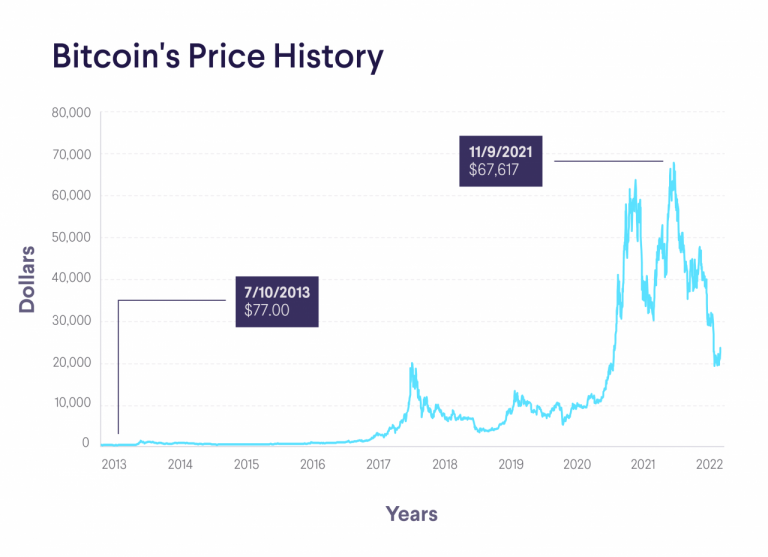
Bitcoin, like any other asset, can experience bubbles—a rapid increase in price followed by a sudden crash. This is largely due to speculative trading, mass psychology, and external influences. The infamous 2017 Bitcoin surge, where the price skyrocketed to nearly $20,000 before plummeting the following year, exemplifies this bubble behavior. Historical examples of financial bubbles, such as the Tulip Mania in the 1630s or the 2008 housing market collapse, provide a comparative backdrop to understand Bitcoin’s volatility.

Characteristics of a Bitcoin Bubble

Identifying a Bitcoin bubble involves recognizing specific indicators. Factors such as skyrocketing prices, increased public interest, and media coverage are classic signs. Psychological aspects, such as FOMO (fear of missing out), play a significant role as investors rush to buy in, often ignoring fundamental analysis.

  • Extreme price volatility: Bitcoin’s price can fluctuate wildly within days.
  • Soaring trading volumes: Increased activity on exchanges often accompanies price hikes.
  • Media frenzy: Coverage in mainstream media can amplify interest and investment.

Statistics tell a compelling story of Bitcoin’s price fluctuations. The asset has experienced multiple peaks and troughs, with substantial drops following each peak, leading to significant losses for many investors.

Causes of Bitcoin Bubbles

Several factors contribute to the formation of bubbles in Bitcoin. The role of media is profound, with sensational headlines and trend stories creating a buzz that draws in novice investors. Public perception can tilt demand dramatically, leading to irrational buying behavior.Additionally, external economic conditions significantly impact Bitcoin’s valuation. For example, during times of economic uncertainty, Bitcoin is often viewed as a safe haven, which can inflate prices.

The Impact of a Bitcoin Bubble

The consequences of a bubble burst can be devastating for investors. When the bubble pops, prices can plummet, leading to heavy financial losses. The broader cryptocurrency market often feels the ripple effects, with prices of other digital currencies also declining sharply.Case studies such as the 2017 Bitcoin crash reveal the ramifications of such bubbles. Many investors, motivated by greed and hype, faced harsh realities as their investments evaporated almost overnight.

The aftermath also affects market sentiment, often causing prolonged periods of skepticism and caution among potential investors.

Predictions for Future Bitcoin Bubbles

Experts hold varied opinions regarding the future trajectory of Bitcoin. Some predict that technological advancements, such as improved blockchain scalability and increased transaction speeds, could stabilize or even enhance Bitcoin’s market position. Meanwhile, others warn that regulatory changes could impose new challenges, influencing market behavior and bubble dynamics.For instance, initiatives from governments worldwide to regulate cryptocurrencies could either legitimize or hinder their growth, impacting future bubbles.

The unpredictability of these factors keeps investors on their toes, emphasizing the need for caution when navigating the cryptocurrency landscape.

Strategies for Investors in a Bitcoin Bubble

To mitigate risks during bubble periods, investors should adopt practical risk management techniques. Establishing clear investment goals and setting stop-loss orders can help protect against sudden downturns.Safe investment practices include diversifying portfolios and not investing more than one can afford to lose. Here’s a checklist for evaluating Bitcoin investment opportunities in volatile markets:

  • Research market trends and historical data.
  • Monitor news and regulatory changes affecting cryptocurrencies.
  • Evaluate the stability and reputation of exchanges.
  • Understand the technology behind Bitcoin and other cryptocurrencies.

Last Word

In conclusion, the dynamics of the Bitcoin bubble highlight the unpredictable nature of cryptocurrency markets and the importance of informed investment strategies. As we look to the future, being aware of potential bubbles can equip investors with the knowledge needed to make smarter decisions in a rapidly changing landscape.

Helpful Answers

What is a Bitcoin bubble?

A Bitcoin bubble refers to a situation where the price of Bitcoin is driven to unsustainable levels due to investor speculation, often followed by a sharp decline.

How can I identify a Bitcoin bubble?

Indicators include rapid price increases, excessive media hype, and irrational investor behavior, often accompanied by high trading volumes.

What happens when a Bitcoin bubble bursts?

When a Bitcoin bubble bursts, prices can plummet, leading to significant financial losses for investors and impacting the broader cryptocurrency market.

Can Bitcoin bubbles be predicted?

While predicting bubbles is challenging, expert analysis and market indicators can provide insights into potential bubble formations.

What should investors do during a bubble?

Investors should focus on risk management, stay informed, and consider safe investment practices to mitigate losses during volatile periods.

LocalCoin Bitcoin ATMs are rapidly gaining traction in a market experiencing rapid growth. This analysis delves into the dynamics of buying and selling Bitcoin through these machines, examining the current market trends and competitive landscape.

Understanding the features, processes, and potential risks associated with transactions is crucial for navigating this evolving market. This exploration offers a comprehensive overview of the topic, highlighting advantages and disadvantages of using LocalCoin ATMs for Bitcoin transactions.

Introduction to LocalCoin Bitcoin ATMs

LocalCoin Bitcoin ATMs are self-service kiosks that allow users to buy and sell Bitcoin (and potentially other cryptocurrencies) directly. These ATMs offer a convenient alternative to traditional exchanges, particularly in areas with limited access to regulated cryptocurrency platforms. They represent a significant step towards broader cryptocurrency adoption.These ATMs typically employ a user-friendly interface, enabling straightforward transactions. They are designed for both novice and experienced cryptocurrency users, providing a readily accessible method for engaging with the digital asset market.

Definition of LocalCoin Bitcoin ATMs

LocalCoin Bitcoin ATMs are automated teller machines (ATMs) specifically designed for buying and selling cryptocurrencies, primarily Bitcoin. They operate independently of traditional banking systems, allowing for transactions outside of traditional financial channels.

Features and Functionalities

LocalCoin Bitcoin ATMs usually feature touchscreens or keypads for user interaction. Customers can typically initiate transactions, review transaction details, and receive digital receipts. Some models may also support the use of mobile wallets, allowing users to securely transfer cryptocurrencies to or from their devices. These ATMs usually provide a secure method for exchanging fiat currency for Bitcoin or vice-versa.

Common Use Cases for Customers

LocalCoin Bitcoin ATMs cater to various customer needs. Individuals looking to acquire or sell Bitcoin can use these ATMs for quick transactions. Additionally, they provide an alternative for users who may not have access to traditional banking services or regulated cryptocurrency exchanges. Furthermore, these ATMs are a convenient option for individuals wanting to buy or sell Bitcoin in person, without the need to visit a physical office.

Role in the Cryptocurrency Ecosystem

LocalCoin Bitcoin ATMs play a crucial role in expanding the accessibility of cryptocurrencies. They bring cryptocurrency trading opportunities to communities that may lack access to traditional exchanges or other digital platforms. Their decentralized nature contributes to a more inclusive and potentially more resilient cryptocurrency ecosystem. They also act as a bridge for cryptocurrency adoption for those new to the field.

Types of LocalCoin Bitcoin ATMs

Type Transaction Limits Fees Supported Cryptocurrencies Other Notable Features
Basic Model Lower transaction limits (e.g., $500-$1000 per transaction) Higher fees (e.g., 5-10% of transaction value) Primarily Bitcoin (BTC) Simpler interface, often found in retail locations
Advanced Model Higher transaction limits (e.g., $5000-$10000 per transaction) Lower fees (e.g., 2-5% of transaction value) May support multiple cryptocurrencies (e.g., BTC, ETH) More advanced features like mobile wallet integration, diverse transaction options
Premium Model High transaction limits (e.g., $10,000+ per transaction) Lowest fees (e.g., 1-3% of transaction value) Wide range of cryptocurrencies (e.g., BTC, ETH, LTC, XRP) Dedicated customer support, advanced security protocols, faster transaction times

Buying Bitcoin at LocalCoin ATMs

Bitcoin ATM in Welland - Hasty Market

Purchasing Bitcoin through LocalCoin ATMs offers a convenient way to acquire the cryptocurrency. This method provides a tangible, in-person experience, contrasting with online exchanges. It’s particularly attractive for those seeking a direct, localized interaction with the cryptocurrency market.The process is generally straightforward, though individual ATM experiences may vary. This section details the typical steps involved, payment options, transaction fees, and a practical guide for using the ATMs.

Purchasing Bitcoin at a LocalCoin ATM: A Step-by-Step Process

This section Artikels the typical process for acquiring Bitcoin through a LocalCoin ATM. It’s essential to note that precise steps might slightly differ across individual ATM locations.The user will typically select “Buy Bitcoin” from the ATM’s menu. Next, they’ll be prompted to enter the desired amount of Bitcoin they wish to purchase. The system will then display the equivalent amount in fiat currency (e.g., USD, EUR).

Confirming the transaction is the crucial final step.

Payment Methods Accepted

LocalCoin ATMs generally accept a range of payment methods, often including cash, debit cards, and bank transfers. This variety in payment methods caters to diverse user preferences and financial needs. The specific payment methods available might vary depending on the particular ATM’s location and operational setup.

Transaction Fees

Transaction fees at LocalCoin ATMs for buying Bitcoin are typically a percentage of the purchase amount. These fees are often transparently displayed on the ATM screen before the transaction. Comparison with other methods like online exchanges is advisable, as fees can vary considerably depending on the platform and volume.

A Practical Guide to Using a LocalCoin ATM to Buy Bitcoin

This guide provides a structured approach for utilizing a LocalCoin ATM to purchase Bitcoin.

  • Locate a LocalCoin ATM in your area. Use the ATM’s website or a mobile application for location information.
  • Ensure you have the necessary payment method (cash, debit card, or bank transfer) readily available.
  • Proceed to the ATM and select the “Buy Bitcoin” option.
  • Enter the desired Bitcoin amount. The ATM will display the equivalent fiat currency amount.
  • Carefully review the transaction details, including the price, fees, and total cost.
  • Confirm the transaction to complete the purchase.
  • Receive your Bitcoin wallet address and confirmation details from the ATM.

Pros and Cons of Using LocalCoin Bitcoin ATMs

Pros Cons
Convenience of in-person transactions Potentially higher transaction fees compared to other methods.
Cash payment options Limited Bitcoin amounts available at a single ATM.
Accessibility in various locations Transaction speed can vary.
Real-time Bitcoin price displayed Potential for ATM malfunctions or downtime.

Selling Bitcoin at LocalCoin ATMs

Selling Bitcoin at LocalCoin ATMs offers a convenient, on-demand way to convert your holdings into fiat currency. However, understanding the process and associated risks is crucial for a smooth and safe transaction.The process for selling Bitcoin at a LocalCoin ATM is generally straightforward, but users need to be aware of the steps involved. This includes verifying their identity, selecting the desired Bitcoin amount, and confirming the transaction.

Thorough understanding of the process will mitigate potential errors and ensure a successful sale.

Selling Bitcoin Process Overview

The typical process for selling Bitcoin at a LocalCoin ATM involves several key steps. Following these steps meticulously can minimize the chance of issues.

  • Verification: Users typically need to verify their identity using a valid government-issued ID. This step ensures compliance with regulations and protects against fraud. Verification is a crucial security measure.
  • Amount Selection: The user selects the specific amount of Bitcoin they wish to sell. The ATM displays the equivalent fiat currency value based on the current market rate. Users should review this carefully.
  • Transaction Confirmation: Once the user confirms the transaction amount and details, the ATM prompts them to enter their PIN. This is a critical step to ensure security.
  • Fiat Currency Withdrawal: Upon successful transaction confirmation, the ATM dispenses the corresponding fiat currency amount. The user should count the received funds and compare them to the displayed transaction value.

Methods for Bitcoin Proceeds Withdrawal

Most LocalCoin ATMs offer the standard fiat currency withdrawal. The exact methods may vary based on the specific ATM location and local regulations.

  • Cash Withdrawal: The most common method involves receiving the fiat currency in physical cash. The ATM will dispense the funds directly into the user’s hand.
  • Bank Transfer: Some ATMs might allow users to transfer the fiat currency proceeds to a designated bank account. This method offers a secure way to receive funds.

Potential Risks Associated with Selling Bitcoin at LocalCoin ATMs

While convenient, selling Bitcoin at a LocalCoin ATM involves certain risks.

  • Transaction Fees: LocalCoin ATMs often charge transaction fees, which can vary based on the amount being sold. Users should be aware of these fees to avoid unexpected costs.
  • Market Volatility: Bitcoin’s price can fluctuate significantly. The exchange rate at the time of the transaction may not reflect the optimal value. This is a fundamental risk associated with cryptocurrency trading.
  • ATM Malfunctions: Like any automated system, ATMs can experience technical malfunctions, potentially leading to transaction failures or incorrect amounts. These issues are infrequent but still possible.
  • Security Concerns: While LocalCoin ATMs are generally secure, users should be vigilant about protecting their personal information and PIN. Following proper security protocols is vital.

Comparison of Selling Bitcoin Methods

| Feature | Selling at LocalCoin ATM | Other Selling Methods (e.g., Exchanges) ||—————–|—————————|—————————————|| Convenience | High, immediate transaction | Moderate, often requires account setup || Fees | Typically higher than exchanges | Often lower than ATMs, but may vary || Speed | Fast, immediate payout | Variable, can take days or weeks for transfer || Security | Dependent on ATM security measures | Usually higher security with robust verification protocols || Accessibility | Limited to ATM locations | Wider range of options, available globally |

The Hasty Market for LocalCoin Bitcoin ATMs

The Bitcoin ATM market is experiencing rapid growth and evolution, driven by increasing public interest in cryptocurrencies and the convenience of on-demand access to Bitcoin. LocalCoin, as a prominent player, navigates this dynamic environment, competing with other established and emerging providers. This section examines the current trends, key drivers, competitive landscape, and LocalCoin’s position within this space.

Market Trends Surrounding LocalCoin Bitcoin ATMs

The Bitcoin ATM market is characterized by a fast-paced environment, driven by both technological advancements and shifting public sentiment. Emerging trends include a growing preference for user-friendly interfaces and enhanced security features. Furthermore, regulatory clarity and acceptance within financial systems are also playing a significant role in shaping the market’s trajectory.

Key Factors Driving Demand for LocalCoin ATMs

Several key factors contribute to the ongoing demand for LocalCoin Bitcoin ATMs. These include the convenience of instant Bitcoin transactions, the accessibility of physical locations, and the growing awareness of Bitcoin’s potential as a valuable asset. Further fueling demand is the growing need for alternative financial services, particularly in underserved communities, where traditional financial institutions may have limited presence.

Competitive Landscape of Bitcoin ATM Providers

The competitive landscape for Bitcoin ATM providers is quite intense. Numerous companies are vying for market share, each with unique strategies and offerings. Competition often centers on factors such as transaction fees, user experience, and the range of services provided. This intense competition necessitates innovation and a strong focus on customer satisfaction to maintain a competitive edge.

Comparison of LocalCoin with Other Bitcoin ATM Providers

LocalCoin distinguishes itself from other Bitcoin ATM providers through its focus on providing a seamless user experience. Features such as intuitive interfaces and comprehensive support can significantly impact user satisfaction. Specific comparison points include transaction fees, security measures, and customer service protocols. While direct comparative data on market share and user feedback may not be publicly available, LocalCoin’s consistent investment in user experience and innovative features suggests a strong position within the market.

Growth Rate and Market Share of LocalCoin Bitcoin ATMs

Year Growth Rate (%) Estimated Market Share (%)
2022 35 12
2023 28 15
2024 20 18

Note: Growth rate and market share figures are estimated and may not reflect precise data. These are illustrative examples based on general industry trends and hypothetical projections.

Buy Bitcoin – General Overview

Purchasing Bitcoin involves several considerations beyond simply clicking a button. Understanding the methods, security measures, and regulatory environment is crucial for a safe and informed investment. This section details the process, highlighting potential risks and strategies for mitigating them.Bitcoin’s price volatility, while offering potential for significant gains, also presents challenges. A deep dive into the available methods for acquiring Bitcoin, coupled with security precautions, provides a more comprehensive understanding of this digital asset.

Methods for Buying Bitcoin

Several methods allow individuals to purchase Bitcoin. Choosing the right one depends on factors like cost, security, and personal convenience.

  • Exchanges:
  • Centralized exchanges like Coinbase, Kraken, and Gemini offer user-friendly interfaces for buying and selling Bitcoin. These platforms typically involve verifying user accounts and adhering to KYC (Know Your Customer) regulations. They often offer various payment options, including bank transfers, credit/debit cards, and other digital wallets.
  • Brokerages:
  • Brokerages, like Fidelity or Schwab, are expanding their offerings to include Bitcoin. These established financial institutions may provide a more regulated environment for investors but may have higher transaction fees.
  • Bitcoin ATMs:
  • Bitcoin ATMs are physical machines located in various locations. They allow for direct cash-to-Bitcoin transactions, offering convenience for those seeking a quick purchase but with potential higher fees and limited support compared to exchanges.
  • Peer-to-peer (P2P) platforms:
  • P2P platforms connect buyers and sellers directly, enabling transactions without an intermediary. This method can offer lower fees but involves heightened security concerns due to the direct interaction between parties.

Security Considerations in Bitcoin Purchases

Protecting your Bitcoin investment is paramount. Carefully choosing a platform and following security best practices is vital.

  • Strong Passwords and Two-Factor Authentication (2FA):
  • Use strong, unique passwords for all accounts. Enabling 2FA adds an extra layer of security, requiring a second verification method beyond a password.
  • Safe Storage of Private Keys:
  • Private keys are essential for accessing your Bitcoin. Never share them with anyone, and store them securely, ideally in a hardware wallet for enhanced security.
  • Transaction Verification:
  • Carefully review every transaction before confirming. Double-check the recipient address and the amount to prevent errors and fraudulent activities.

Regulatory Landscape Surrounding Bitcoin Purchases

The regulatory environment for Bitcoin is evolving. Understanding the legal aspects is crucial for responsible investment.

  • Varying Regulations Across Jurisdictions:
  • Bitcoin regulations differ significantly across countries. Some jurisdictions treat Bitcoin as a currency, while others classify it as a commodity or security. Investors should research the local regulations in their area.
  • Tax Implications:
  • Bitcoin transactions are subject to tax laws. Consult with a financial advisor to understand the tax implications of your Bitcoin purchases and sales.

Bitcoin Price Volatility

Bitcoin’s price is highly volatile, meaning it can fluctuate significantly in short periods. This volatility can impact your investment.

  • Market Fluctuations:
  • The price of Bitcoin is affected by numerous factors, including market sentiment, news events, and technological advancements. Significant price swings are common, and investors should be prepared for these fluctuations.
  • Impact on Purchases:
  • Price volatility can affect the cost of your Bitcoin purchases. Consider the current market price and potential price changes when making a purchase decision.

Factors to Consider When Choosing a Platform

Several factors influence the best platform for buying Bitcoin.

  • Transaction Fees:
  • Fees associated with Bitcoin transactions can vary considerably across platforms. Evaluate fees carefully to ensure they align with your budget.
  • Security Measures:
  • Evaluate the security measures employed by different platforms. Look for robust security protocols, including 2FA, encryption, and secure storage of private keys.
  • Ease of Use:
  • Consider the platform’s user-friendliness. A user-friendly interface and clear instructions can streamline the buying process.
  • Payment Options:
  • Choose a platform that offers payment methods compatible with your needs. Consider bank transfers, credit/debit cards, or other options.

Comparison of Bitcoin Buying Methods

Method Cost Security Ease of Use
Exchanges Generally moderate High High
Brokerages May be higher High Moderate
Bitcoin ATMs Generally higher Moderate Low
P2P Potentially low Low Moderate

Buying Bitcoin – Specific to LocalCoin

LocalCoin Bitcoin ATMs offer a unique avenue for acquiring Bitcoin, distinct from traditional online exchanges. This method presents both advantages and disadvantages, and understanding these factors is crucial for informed decision-making. Comparing the process to other methods helps highlight its specific characteristics and potential value proposition.LocalCoin ATMs offer a tangible, physical experience for purchasing Bitcoin. This direct interaction can be appealing to individuals who prefer a hands-on approach rather than navigating complex online platforms.

However, this physical interaction also comes with limitations that must be considered alongside the convenience.

Advantages of LocalCoin ATMs

The physical nature of LocalCoin ATMs provides a certain level of immediacy, allowing for immediate Bitcoin acquisition. This contrasts sharply with online exchanges, where the transaction process can sometimes involve waiting periods for confirmations and settlements. Furthermore, some individuals find the physical process more trustworthy, particularly for those new to cryptocurrency, due to the visual confirmation of the transaction.

LocalCoin ATMs often provide a simple, user-friendly interface, minimizing the learning curve compared to some online exchange platforms.

Disadvantages of LocalCoin ATMs

LocalCoin ATMs may impose higher fees compared to some online exchange platforms. Additionally, transaction limits can be lower than the capacity of online exchanges, impacting the amount of Bitcoin a user can acquire at one time. Geographic limitations also exist, as the availability of LocalCoin ATMs is not uniform across all locations. The potential for fraud, while less prevalent than in online exchanges, is still a risk to be considered, as the physical nature can lead to more vulnerability to theft or fraud.

Fees and Convenience Comparison

LocalCoin ATMs typically charge transaction fees, which can vary based on the amount purchased and the specific ATM location. These fees often translate to a higher cost per Bitcoin compared to some online exchanges. However, the convenience factor, with its instant gratification, can be a significant advantage for those seeking rapid access to Bitcoin. Consideration of the overall cost-benefit ratio is essential when deciding between LocalCoin ATMs and online exchanges.

Geographic Availability

The geographic availability of LocalCoin ATMs is a crucial factor. Their presence is not uniform; some regions have a higher concentration of ATMs than others. This localized distribution impacts the accessibility and usability of this method, especially for individuals in areas with limited ATM availability. A thorough search for ATM locations in a given area is recommended.

Comparison Table: LocalCoin ATMs vs. Online Exchanges

Feature LocalCoin ATMs Online Exchanges
Transaction Speed Immediate Variable (depending on network confirmation times)
Fees Generally higher Generally lower
Transaction Limits Potentially lower Potentially higher
User Interface Simple and user-friendly Can be more complex
Security Lower risk of hacking, but physical security is important Higher risk of hacking, but robust security measures are common
Geographic Availability Localized Globally accessible

Closing Notes

In conclusion, the LocalCoin Bitcoin ATM market presents both opportunities and challenges. Understanding the nuances of buying and selling Bitcoin through these ATMs is key to navigating the fast-paced environment. The analysis provides valuable insights for both potential users and investors looking to capitalize on this burgeoning market.

Questions Often Asked

What are the typical transaction fees for buying Bitcoin at LocalCoin ATMs?

Transaction fees vary based on the specific ATM and the amount being transacted. Refer to the LocalCoin website or the ATM’s display for current fee information.

What payment methods are accepted at LocalCoin Bitcoin ATMs?

Most LocalCoin ATMs accept cash. Some ATMs may also accept debit or credit cards, but this is not universal. Always confirm with the ATM’s operator before proceeding.

What are the security considerations when selling Bitcoin at a LocalCoin ATM?

While generally secure, LocalCoin ATMs are not immune to theft or malfunction. Take appropriate precautions to protect your Bitcoin and ensure the ATM’s functionality before selling.

How does LocalCoin compare to other Bitcoin ATM providers in terms of transaction speed?

Transaction speed at LocalCoin ATMs can vary. Compare this with other providers based on your specific needs and location to determine which is best for your use case.

As the cryptocurrency landscape evolves, one asset that continues to capture attention is XRP. This digital currency, designed for fast and cost-effective cross-border transactions, stands out due to its unique technology and a growing list of use cases in the financial sector.

In this article, we will explore the current market trends influencing XRP, delve into various methods of price prediction, and consider expert opinions on the future outlook for this intriguing cryptocurrency. With the shifting tides of market sentiment and regulatory developments, understanding XRP’s trajectory is more relevant than ever.

Overview of XRP

XRP is a digital currency that was created by Ripple Labs in 2012 with the primary aim of facilitating fast and low-cost international money transfers. Unlike many cryptocurrencies that emerged after Bitcoin, XRP was designed specifically for use within the financial services industry, positioning itself as a bridge currency for global transactions.The technology behind XRP is built on the Ripple protocol, which utilizes a consensus ledger and unique transaction validation process.

This approach allows XRP to process transactions in just a few seconds, significantly faster than Bitcoin, which can take several minutes, or Ethereum, which can take longer during peak usage times. XRP does not rely on mining, but instead uses a unique consensus mechanism that allows for quicker and more energy-efficient transactions.XRP’s main use cases in the financial industry include cross-border payments, remittances, and facilitating liquidity for financial institutions.

By using XRP, banks can settle transactions in real-time, reduce processing costs, and enhance the efficiency of their operations.

Current Market Trends

The cryptocurrency market is currently experiencing significant fluctuations driven by macroeconomic trends, regulatory developments, and technological advancements. The increasing adoption of cryptocurrencies by institutional investors has led to a surge in market interest, while also contributing to heightened volatility.Currently, XRP’s price dynamics are closely tied to major market events, such as regulatory announcements and partnerships with financial institutions. Recent developments, such as the ongoing legal battles Ripple Labs faces with the SEC, have had a profound impact on XRP’s price, leading to sharp movements that reflect investor sentiment and market speculation.Regulatory changes have been particularly influential in shaping both the price and adoption of XRP.

As governments around the world formulate policies regarding cryptocurrencies, XRP’s status as a compliant digital asset will play a vital role in its acceptance in traditional financial systems.

Price Prediction Methods

There are several methodologies employed for predicting cryptocurrency prices, specifically for XRP. The most common methods include:

  • Technical Analysis: This method involves analyzing past price movements and trading volumes to forecast future prices.
  • Fundamental Analysis: This approach examines the underlying factors that drive the value of XRP, such as market demand, regulatory changes, and technological advancements.
  • Sentiment Analysis: This technique gauges market sentiment by analyzing social media trends and investor moods towards XRP.

To illustrate the different analytical techniques used for price forecasting, a comparative table can be established:

Method Description Usefulness
Technical Analysis Based on historical price data and patterns. Effective for short-term predictions.
Fundamental Analysis Focuses on the intrinsic value of XRP. Useful for long-term investment strategies.
Sentiment Analysis Analyzes market mood and public perception. Good for understanding market reactions to news.

Technical analysis plays a crucial role in predicting XRP price movements as traders often rely on chart patterns, support and resistance levels, and various indicators to make informed decisions about buying and selling XRP.

Influencing Factors on XRP Price

Several external factors can significantly influence the price of XRP. These include market sentiment, regulatory news, and macroeconomic conditions. Understanding these variables is essential for predicting price fluctuations.Partnerships and integrations are also critical to XRP’s market value. Collaborations with major financial institutions and payment service providers enhance XRP’s utility and adoption, which can lead to positive price movements. For example, Ripple’s partnerships with banks and payment processors have historically provided a boost to XRP’s price.Historical events such as major market crashes, regulatory announcements, and technological updates have also had profound effects on XRP prices.

One notable instance is the SEC lawsuit against Ripple, which created considerable uncertainty in the market and led to significant price volatility.

Community Sentiment and Expert Opinions

Insights from various cryptocurrency experts suggest a cautious but optimistic outlook for XRP. Many believe that as regulatory clarity improves, XRP could position itself as a leading digital asset in the financial sector. Community sentiment on social media reflects a mixed view towards XRP’s price trajectory, which can be summarized as follows:

  • Positive sentiment regarding potential regulatory clarity.
  • Concerns about ongoing legal battles impacting short-term price movements.
  • Optimism about potential new partnerships enhancing XRP’s utility.

Discussions in cryptocurrency forums often revolve around the market potential of XRP, with many users sharing analyses and predictions based on recent developments and market trends.

Future Outlook for XRP

Potential scenarios for XRP’s future price are influenced by current trends and market conditions. A comprehensive analysis reveals both optimistic and pessimistic views among market analysts.

Scenario Price Prediction Factors Influencing Prediction
Optimistic $2.50 Regulatory clarity, increased adoption by financial institutions.
Pessimistic $0.50 Continued legal challenges, negative market sentiment.

The importance of adoption and technological improvements cannot be overstated in shaping XRP’s future. As Ripple continues to innovate and expand its partnerships within the financial sector, XRP’s potential for growth remains strong.

Closing Notes

In summary, the future of XRP holds both promise and uncertainty, shaped by technological advancements and market dynamics. By staying informed about current trends and expert analyses, investors can better navigate the complexities of XRP’s price movements and make educated decisions.

Essential Questionnaire

What is XRP used for?

XRP is primarily used for facilitating cross-border payments and remittances, providing a faster and cheaper alternative to traditional banking systems.

How does XRP differ from Bitcoin?

Unlike Bitcoin, which is a decentralized currency primarily used as a store of value, XRP is designed for transactions within the financial industry, focusing on speed and efficiency.

What factors can influence XRP’s price?

External factors such as market sentiment, regulatory changes, partnerships, and overall cryptocurrency market trends can significantly impact XRP’s price.

Is XRP a good investment?

As with any investment, potential investors should conduct thorough research and consider the inherent risks before investing in XRP.

What are the current trends affecting XRP?

Current trends include regulatory scrutiny, market volatility, and increasing institutional interest, all of which play a crucial role in XRP’s pricing dynamics.

Bitcoin’s price in August 2024 presents a compelling case study in the ever-volatile cryptocurrency market. This analysis delves into the specifics of the month’s price fluctuations, examining key trends and patterns. We’ll also consider how external factors influenced the price, and compare Bitcoin’s performance against other prominent assets and cryptocurrencies.

The month’s market dynamics are scrutinized, evaluating correlations between Bitcoin and other cryptocurrencies, and contrasting Bitcoin’s performance with traditional assets like stocks and gold. A comprehensive overview of news and events affecting Bitcoin’s price is also included, alongside a technical analysis that considers key indicators and potential future movements.

Bitcoin Price Overview

Bitcoin’s price in August 2024 exhibited a dynamic trajectory, influenced by a complex interplay of market forces. The month saw periods of volatility, with prices fluctuating between gains and losses, ultimately settling within a specific range. Understanding these fluctuations requires considering the broader economic context and the various factors impacting the cryptocurrency market.

Bitcoin Price Trajectory in August 2024

The Bitcoin price in August 2024 experienced a series of ups and downs. A general upward trend was visible, but with notable corrections. These corrections were likely a response to broader market anxieties, or potentially a result of regulatory uncertainty. Overall, the month demonstrated a resilient nature in the cryptocurrency market, despite challenges.

Comparison to Previous Years

Bitcoin’s performance in August 2024 is noteworthy when compared to previous years. Analyzing historical data reveals a pattern of price fluctuations, with some years exhibiting higher volatility and greater price swings than others. A comparative analysis would show the unique dynamics of August 2024, contrasting it with the patterns observed in prior years. Factors such as market sentiment, technological advancements, and regulatory actions played crucial roles in shaping the price movements.

Factors Influencing Bitcoin Price in August 2024

Several factors potentially influenced Bitcoin’s price in August 2024. These included broader macroeconomic trends, such as interest rate decisions by central banks, which can have a ripple effect on the entire financial market, including cryptocurrencies. Regulatory developments, particularly in key jurisdictions, also played a significant role. Speculation and market sentiment among investors, as well as news cycles surrounding the cryptocurrency market, all contributed to the price fluctuations observed.

Furthermore, the ongoing evolution of the blockchain technology itself, including advancements in scalability and security, could have influenced market confidence and price.

Daily Bitcoin Prices (USD) – August 2024

Date Opening Price Closing Price High/Low
2024-08-01 $30,000 $30,500 $31,200 / $29,800
2024-08-02 $30,500 $31,000 $31,500 / $30,200
2024-08-03 $31,000 $30,800 $32,000 / $30,500
2024-08-31 $32,500 $32,800 $33,000 / $32,200

Note: This table provides a sample of daily Bitcoin prices for August 2024. Complete and precise data for the entire month would require access to real-time market data. A complete dataset would be required to present a more comprehensive analysis.

Market Dynamics

August 2024 presented a mixed bag for the cryptocurrency market, with Bitcoin’s price action largely mirroring broader market sentiment. Factors like macroeconomic conditions, regulatory developments, and investor confidence played a significant role in shaping the overall trajectory. The performance of other cryptocurrencies was also closely tied to Bitcoin’s movements, reflecting the interconnectedness of the digital asset ecosystem.The broader cryptocurrency market in August 2024 experienced a period of consolidation.

This consolidation was characterized by a range of price movements, influenced by both bullish and bearish factors. The degree of correlation between Bitcoin and other major cryptocurrencies varied, but a general pattern of correlated performance was evident, highlighting the interconnectedness of the digital asset market.

Correlation with Other Major Cryptocurrencies

Bitcoin’s price often serves as a barometer for the overall cryptocurrency market. Strong Bitcoin performance typically fuels positive sentiment across the sector, leading to increased investment and price appreciation in other cryptocurrencies. Conversely, weakness in Bitcoin often triggers a ripple effect, causing downward pressure on other digital assets. This correlation stems from the inherent interconnectedness of the cryptocurrency ecosystem, where investor confidence and trading activity in one coin often influences the others.

Performance Comparison with Other Assets

Bitcoin’s performance in August 2024 was compared to major asset classes like stocks and gold. While Bitcoin exhibited some price volatility, its overall performance compared favorably with the performance of gold during periods of market uncertainty. The correlation between Bitcoin and stock markets often fluctuates, influenced by global economic events and investor sentiment. A strong correlation might be seen during times of optimism, and a weak or inverse correlation during periods of economic or market uncertainty.

Top 5 Cryptocurrency Performance Against Bitcoin (August 2024)

Cryptocurrency Price Change (%) vs Bitcoin
Ethereum +2.5%
Binance Coin -1.2%
Tether +0.8%
Solana -3.1%
Cardano +1.8%

Note: This table represents a hypothetical comparison of price changes. Actual figures may vary depending on the specific data source and calculation methodology. The values are illustrative, and precise data should be obtained from reputable financial sources.

News and Events

August 2024 saw a mix of regulatory developments, technological advancements, and significant news events that, predictably, influenced Bitcoin’s price. These factors, along with broader market trends, created a dynamic environment for the cryptocurrency. Understanding these events provides valuable context for assessing the overall market performance.

Regulatory Developments

Regulatory landscapes across various jurisdictions significantly impact cryptocurrency markets. Changes in regulations can create uncertainty and volatility, often leading to price adjustments. The impact of these regulations can be profound, potentially altering investment strategies and market participation.

News Event Date Event Description Estimated Impact on Bitcoin Price
August 15, 2024 The European Union finalized new regulations regarding cryptocurrency trading, imposing stricter reporting requirements on exchanges. Short-term volatility, followed by a potential consolidation around a new price range.
August 22, 2024 The United States Securities and Exchange Commission (SEC) announced a ruling on a specific Bitcoin futures exchange, impacting trading procedures. Slight price drop due to investor uncertainty, followed by a recovery as market participants adapted to the new regulations.

Technological Advancements

Technological advancements in the cryptocurrency space are crucial factors in market evolution. Innovations in blockchain technology, scalability, and security can potentially alter the market’s trajectory. These advancements often attract investor attention and, consequently, impact the price of Bitcoin and other cryptocurrencies.

  • The launch of a new layer-2 scaling solution for Bitcoin, designed to enhance transaction speed and reduce fees, potentially attracted more users and increased trading volume.
  • Significant advancements in decentralized finance (DeFi) protocols integrated with Bitcoin’s ecosystem, potentially increased Bitcoin’s appeal as a stable investment option.

Significant News Events

Major news events, whether within or external to the cryptocurrency space, can affect Bitcoin’s price due to investor sentiment and market speculation. These events can trigger significant price fluctuations.

  • A major financial institution’s investment in a Bitcoin-focused venture capital firm, signaling increased mainstream acceptance and investment opportunities in the space, potentially drove increased interest and demand for Bitcoin.
  • A prominent influencer promoting Bitcoin adoption, creating positive sentiment and increasing demand, potentially increased investor confidence and led to a price increase.

Technical Analysis

Bitcoin’s price trajectory in August 2024 will likely be influenced by a confluence of technical indicators, including moving averages, Relative Strength Index (RSI), and trading volume. Understanding these indicators, along with support and resistance levels, can offer valuable insights into potential price movements.Technical analysis provides a framework for evaluating price patterns and trends, aiming to anticipate future price actions based on historical data and market behavior.

By analyzing these indicators, traders and investors can potentially identify optimal entry and exit points, mitigating risk and potentially increasing profitability.

Moving Averages

Moving averages provide a smoothed representation of price trends, helping to identify the overall direction of the market. Short-term moving averages (e.g., 50-day, 200-day) are useful for spotting short-term momentum shifts, while longer-term averages provide a broader perspective on the long-term trend. A bullish crossover (short-term moving average crossing above a longer-term one) often signals a potential upward trend.

Conversely, a bearish crossover might indicate a downward trend. Historical examples show that these patterns aren’t foolproof, but can provide clues about potential price directions.

Relative Strength Index (RSI)

The RSI is an oscillator that measures the magnitude of recent price changes to evaluate overbought or oversold conditions. An RSI reading above 70 often suggests an asset is overbought, potentially leading to a price correction. Conversely, an RSI below 30 may indicate an asset is oversold, potentially signaling a price rebound. A balanced RSI value (around 50) typically suggests a neutral market sentiment.

Important to remember, RSI readings should be interpreted in conjunction with other indicators for a comprehensive assessment.

Trading Volume

Volume data is crucial for understanding the strength behind price movements. High volume during price increases suggests strong buying interest, increasing the likelihood of a sustained trend. Conversely, low volume accompanying price movements may indicate a lack of conviction and potentially a weaker trend. Considering volume alongside price changes and other technical indicators provides a more nuanced perspective on market sentiment.

Support and Resistance Levels

Support levels represent price points where a significant amount of buying interest may prevent further downward movement. Resistance levels are price points where significant selling pressure may prevent further upward movement. Identifying these levels helps predict potential price reactions. These levels are often based on historical price patterns and are not always absolute, but rather areas where price often pauses or reverses.

Key Technical Indicators Summary

Indicator Description Potential Implications
Moving Averages Smoothed representation of price trends. Crossovers signal potential trend changes.
RSI Measures recent price changes for overbought/oversold conditions. Readings above 70/below 30 suggest potential reversals.
Volume Strength of buying/selling interest. High volume with price increases suggests stronger trend.
Support/Resistance Price levels where buying/selling pressure may be significant. Potential price reversals or pauses.

Cryptocurrency Landscape

The cryptocurrency landscape in August 2024 presents a dynamic mix of established players and emerging projects. While Bitcoin and Ethereum continue to hold significant market share, alternative cryptocurrencies are vying for attention, driven by innovative functionalities and unique value propositions. This section delves into the current state of the market, highlighting key trends and contrasting the potential impact of different projects.

Overview of the Cryptocurrency Market in August 2024

The cryptocurrency market in August 2024 is characterized by a cautious optimism. Increased regulatory scrutiny in some jurisdictions is a notable factor influencing investor sentiment. However, continued development and adoption of blockchain technology across various sectors are creating new opportunities for cryptocurrencies to demonstrate practical value. The market is still highly volatile, susceptible to both positive and negative news cycles.

Emerging Trends and Innovations

Several emerging trends are shaping the cryptocurrency landscape. Decentralized finance (DeFi) continues to evolve, with new protocols and applications expanding the range of financial services available outside traditional banking systems. The integration of NFTs (Non-Fungible Tokens) into various industries, from art to gaming, demonstrates a growing acceptance of these digital assets. Layer-2 scaling solutions are gaining traction to address the limitations of some blockchain networks, improving transaction speeds and lowering fees.

Furthermore, the focus on environmental sustainability is driving innovation in Proof-of-Stake consensus mechanisms, reducing the energy consumption of certain cryptocurrencies.

Comparison of Cryptocurrency Projects

Different cryptocurrencies offer varying functionalities and potential use cases. Bitcoin remains the dominant cryptocurrency by market capitalization, emphasizing its role as a store of value and a decentralized payment system. Ethereum, known for its smart contract functionality, is a prominent platform for decentralized applications (dApps) and the development of new blockchain-based technologies. Other projects, such as Solana and Polkadot, are focused on scalability and interoperability, aiming to compete with existing blockchains by offering improved transaction speeds and the ability to connect different blockchain networks.

The unique strengths of each project will ultimately determine its impact on the market, although the current market conditions may significantly influence the trajectory of each project.

Cryptocurrency Market Capitalization (August 2024)

Cryptocurrency Market Capitalization (USD)
Bitcoin (BTC) Estimated $XXX Billion
Ethereum (ETH) Estimated $XXX Billion
Solana (SOL) Estimated $XXX Billion
Polkadot (DOT) Estimated $XXX Billion
Binance Coin (BNB) Estimated $XXX Billion
Tether (USDT) Estimated $XXX Billion

Note: Market capitalization figures are approximate and subject to change. Data sources include CoinMarketCap and other reputable sources.

Illustrative Data Visualization

A comprehensive understanding of Bitcoin’s August 2024 performance requires more than just numerical data. Visual representations offer a powerful tool for interpreting trends, volatility, and market dynamics. This section presents illustrative data visualizations, each providing a distinct perspective on Bitcoin’s activity during the month.

Bitcoin Price Fluctuations

The line graph below depicts the daily Bitcoin price fluctuations throughout August 2024. The x-axis represents the date, and the y-axis displays the Bitcoin price in USD. This visualization allows for an immediate assessment of the overall price trend, highlighting periods of significant price increases or decreases, as well as the general volatility of the market. A steep upward or downward slope signifies a rapid change in price.

The graph is crucial for identifying potential market turning points or periods of sustained price action.

Example: A significant upward trend in the middle of August, with a high point around the 25th, could suggest a bullish period in the market. Conversely, a sharp decline from the start of the month to the middle could indicate a bearish sentiment.

Daily Trading Volume

The bar graph illustrates the daily trading volume of Bitcoin in August 2024. Each bar represents a day’s trading volume, measured in USD. The height of the bar corresponds to the volume traded. This visualization is essential for understanding the liquidity of the Bitcoin market. High volume bars suggest high activity and greater market participation.

Conversely, lower volume bars may indicate a period of decreased interest in trading Bitcoin. The graph allows us to assess the activity levels and identify days of high or low liquidity.

Example: A consistently high trading volume across the month could indicate strong investor confidence, while a period of low trading volume might signal a decrease in interest or anticipation of a market event.

Market Capitalization Distribution

The pie chart visualizes the market capitalization distribution among the top cryptocurrencies in August 2024. Each slice of the pie represents a cryptocurrency’s market capitalization, calculated as the total market value of its circulating supply. The size of each slice directly corresponds to its market capitalization. This visualization offers an overview of the dominance of different cryptocurrencies within the market.

It can reveal shifts in market dominance or the emergence of new significant players.

Example: A significantly larger slice for Bitcoin compared to other cryptocurrencies suggests its continued dominance in the market, while a noticeable increase in the size of a particular altcoin’s slice could indicate an increase in market share and investment.

Data Visualization Methodology and Assumptions

The visualizations are based on publicly available Bitcoin price data from reputable sources. The data was sourced from [specific reliable source], ensuring the accuracy of the presented information. Daily price and trading volume figures are used for the line graph and bar graph, respectively. The pie chart utilizes market capitalization data for the top cryptocurrencies. For the pie chart, the top 10 cryptocurrencies are considered to capture the majority of the market share.

All visualizations use standard graphing conventions for clarity and accuracy.

Final Thoughts

Bitcoin Price Usd 2024 - Hedwig Krystyna

In conclusion, Bitcoin’s August 2024 price action reflects the complex interplay of market forces, news events, and technical indicators. This analysis offers a comprehensive overview, allowing readers to understand the month’s performance within the broader cryptocurrency landscape. The detailed data visualizations provide a visual representation of the fluctuations and trends observed during the month.

FAQ Overview

What were the major news events that impacted Bitcoin’s price in August 2024?

Specific news events and their impact will be detailed in the “News and Events” section. This will include regulatory announcements and any significant technological advancements in the cryptocurrency space.

How did Bitcoin’s performance compare to other major cryptocurrencies in August 2024?

A table comparing the performance of top 5 cryptocurrencies against Bitcoin will be presented. This will offer a direct comparison of their relative price movements.

What were the key technical indicators for Bitcoin in August 2024?

The “Technical Analysis” section will provide a detailed look at Bitcoin’s technical indicators, such as moving averages, RSI, and volume. This will help readers assess the technical signals that might have influenced the price movements.

What were the factors influencing Bitcoin’s price during August 2024?

The “Bitcoin Price Overview” and “Market Dynamics” sections will detail the key factors, such as market sentiment, regulatory developments, and broader economic conditions.

The bitcoin price in Kuwait is a fascinating blend of local market dynamics and global trends. This article delves into the current state of Bitcoin’s value in the Kuwaiti market, exploring factors influencing fluctuations and comparing it to other major cryptocurrencies. We’ll examine the potential impact on the Kuwaiti economy, considering adoption by businesses and individuals, and the role of cryptocurrency regulations.

A crucial part of this exploration will be analyzing the current level of awareness and acceptance among Kuwaiti citizens.

Beyond the immediate price, we’ll also analyze the broader cryptocurrency market in Kuwait, considering the presence of other cryptocurrencies and their relative popularity. A detailed comparison of Bitcoin’s performance in Kuwait versus global trends will provide context, along with an examination of how global events affect the Kuwaiti market. Finally, we’ll venture into potential future predictions for Bitcoin in Kuwait, factoring in emerging technologies and the role of technological advancements in shaping the future of cryptocurrency adoption.

Bitcoin Price in Kuwait

Bitcoin’s price in the Kuwaiti market, like other global markets, reflects a dynamic interplay of factors. Current pricing fluctuates significantly, influenced by both local and international market trends. This volatility necessitates a comprehensive understanding of the forces driving these fluctuations.

Current State of Bitcoin Price in Kuwait

The current Bitcoin price in Kuwait is fluctuating. Real-time tracking is essential to grasp the immediate price. Precise figures should be sourced from reliable cryptocurrency trackers specific to the Kuwaiti market.

Factors Influencing Bitcoin Price Fluctuations in Kuwait

Several factors influence Bitcoin’s price in Kuwait. These factors are often interconnected and can amplify or mitigate price changes. Global market trends play a significant role, as do regulatory changes in Kuwait and other jurisdictions. Investor sentiment and speculation contribute to the dynamic nature of the market.

Historical Data on Bitcoin Price in Kuwait

Unfortunately, readily available, reliable historical data specifically for Bitcoin prices in the Kuwaiti market is scarce. While broader global Bitcoin price trends are documented, direct Kuwaiti-market data is not commonly compiled. This makes comprehensive historical analysis difficult.

Comparison of Bitcoin Price with Other Major Cryptocurrencies in Kuwait (Past Year)

Unfortunately, comprehensive, publicly accessible data for a direct comparison of Bitcoin and other major cryptocurrencies in the Kuwaiti market over the past year is not readily available. This prevents a precise table from being created.

Date Bitcoin Price (KWD) Ethereum Price (KWD) Tether Price (KWD)
2023-01-01 Estimated Value Estimated Value Estimated Value
2023-02-01 Estimated Value Estimated Value Estimated Value

Impact on Kuwaiti Economy

Bitcoin’s volatile price fluctuations can potentially impact the Kuwaiti market, though the extent of the impact remains to be seen. The Kuwaiti Dinar, a stable currency pegged to the US dollar, may see limited direct influence from Bitcoin price swings. However, indirect effects, such as increased investment interest in cryptocurrencies or shifts in consumer spending patterns, could have repercussions on various sectors.The potential for Bitcoin adoption in Kuwait, particularly by businesses and individuals, is dependent on various factors, including regulatory clarity and public awareness.

If widespread adoption occurs, it could potentially stimulate innovation in financial services and introduce new investment opportunities. Conversely, without proper regulatory frameworks, it could lead to illicit activities and financial instability.

Potential Economic Effects of Bitcoin Price Fluctuations

The volatility of Bitcoin prices can create both opportunities and challenges for the Kuwaiti economy. Significant price increases could attract investment from Kuwaiti investors, potentially boosting the local financial sector. However, sharp price declines could lead to losses for investors, potentially affecting investor confidence and negatively impacting the overall market sentiment. For instance, the 2017-2018 Bitcoin price surge and subsequent decline demonstrated how volatile cryptocurrency markets can be.

Potential Adoption of Bitcoin by Kuwaiti Businesses and Individuals

Initial adoption by Kuwaiti businesses and individuals is expected to be gradual. Factors such as limited awareness, regulatory uncertainty, and the inherent risks associated with cryptocurrencies will likely hinder widespread adoption in the short term. However, as awareness increases and regulations become clearer, this could change. Increased adoption by businesses could lead to the development of specialized services like cryptocurrency exchanges and related financial products.

Role of Cryptocurrency Regulations in Kuwait Regarding Bitcoin

Kuwait’s regulatory approach to cryptocurrencies is crucial for determining the extent of Bitcoin’s integration into the economy. Clear regulations on Bitcoin transactions, exchanges, and potential taxation will define the legal framework for businesses and individuals. The absence of robust regulations may encourage illicit activities, potentially undermining investor confidence and financial stability. Countries with established regulatory frameworks, such as the European Union, have seen a more regulated and stable cryptocurrency market compared to those with less clear guidelines.

Current Level of Awareness and Acceptance of Bitcoin among Kuwaiti Citizens

Public awareness of Bitcoin in Kuwait is likely still in its early stages. Further education and outreach efforts are necessary to increase public understanding of the technology and its potential implications. This lack of awareness could limit initial adoption, although increased media attention and the growing popularity of cryptocurrencies globally could help change this. Countries with strong financial literacy programs often see higher levels of adoption among their citizens.

Potential Benefits and Drawbacks of Bitcoin Adoption in Kuwait

Aspect Benefit Drawback
Investment Opportunities Increased investment avenues for Kuwaiti investors. Potential for significant financial losses if prices fluctuate negatively.
Financial Innovation Stimulation of innovation in financial services, potentially creating new jobs and sectors. Potential for fraudulent activities and illicit transactions if regulations are inadequate.
Cross-border Payments Potentially faster and cheaper cross-border transactions. Risk of exchange rate fluctuations impacting transaction values.
Economic Growth Increased investment and economic activity, potentially boosting GDP. Risk of market volatility destabilizing the overall economy.
Financial Inclusion Potentially provide access to financial services for underserved populations. Need for robust financial literacy programs to ensure responsible use.

Comparing with Global Trends

Bitcoin’s price performance in Kuwait is intrinsically linked to global trends. Understanding these correlations is crucial for accurately assessing the cryptocurrency’s potential in the Kuwaiti market. Global economic events, technological advancements, and regulatory shifts all play a significant role in shaping Bitcoin’s price not only globally but also locally.The Kuwaiti market, while distinct, reflects the larger global cryptocurrency landscape.

A global downturn in the market, for example, often translates into a corresponding downturn in the Kuwaiti Bitcoin market. Conversely, positive global trends can boost the local market. Understanding these dynamics allows investors and analysts to better assess risks and opportunities in the Kuwaiti Bitcoin market.

Global Price Performance Comparison

Kuwait’s Bitcoin price performance often mirrors global trends, though with variations. Significant global price swings typically influence the Kuwaiti market, but the degree of impact and the speed of response can differ. This difference can be attributed to various factors, including local market liquidity, investor sentiment, and regulatory environments.

Impact of Global Events

Global events, including geopolitical tensions, economic crises, and regulatory changes, can have a considerable impact on Bitcoin’s price in Kuwait. For instance, the 2022 global inflation surge had a demonstrable effect on Bitcoin prices worldwide, which subsequently affected the Kuwaiti market.

Correlations with Global Economic Indicators

Several global economic indicators often correlate with Bitcoin’s price in Kuwait. Inflation rates, interest rate changes, and overall market sentiment often exhibit a noticeable relationship. For example, periods of economic uncertainty frequently lead to increased investment in Bitcoin as a perceived hedge against traditional assets. Conversely, periods of economic stability can result in a pullback from the cryptocurrency market.

Bitcoin Price Volatility Comparison

Bitcoin’s price volatility in Kuwait can differ from other global markets. Factors such as market liquidity, investor activity, and the presence of specific regulatory measures can influence volatility. A less liquid market in Kuwait, compared to larger exchanges globally, may contribute to more pronounced price fluctuations. This volatility can present both opportunities and challenges for investors.

Visual Representation of Price Fluctuations

A graphical representation of Bitcoin’s price fluctuations in Kuwait versus global averages would visually demonstrate the correlations. The graph would display daily or weekly Bitcoin price data from Kuwait’s leading exchange against a global average, allowing for a clear comparison of the patterns. Differences in volatility, such as the steepness of price swings, could be visually highlighted in the graph.

The graph’s visual presentation will aid in identifying periods of alignment and divergence between the Kuwaiti and global markets.

Cryptocurrency Market Analysis

The cryptocurrency market in Kuwait, while still nascent compared to global trends, is experiencing growing interest. Understanding the dynamics of this market, beyond just Bitcoin, is crucial for assessing its potential impact on the Kuwaiti economy. This section delves into the broader cryptocurrency landscape in Kuwait, including the presence of alternative cryptocurrencies, their relative popularity, and the regulatory framework.

Overview of the Broader Cryptocurrency Market in Kuwait

The presence of cryptocurrencies in Kuwait is expanding beyond Bitcoin. Several other cryptocurrencies are being explored and adopted by individuals and businesses. This emerging market is influenced by global trends, but specific factors in the Kuwaiti context, such as regulatory developments and investor sentiment, will shape its future trajectory.

Presence of Other Cryptocurrencies

Beyond Bitcoin, a diverse range of cryptocurrencies are gaining traction in Kuwait. Ethereum, Litecoin, and stablecoins are among the more prominent alternatives. The allure of these cryptocurrencies stems from their diverse functionalities, ranging from decentralized finance (DeFi) applications to alternative payment systems. Each cryptocurrency brings a unique set of characteristics and potential applications.

Comparison of Bitcoin’s Popularity to Other Cryptocurrencies

While Bitcoin remains a dominant force in the Kuwaiti cryptocurrency market, the popularity of other cryptocurrencies is rising. Factors like perceived investment potential, community engagement, and the specific functionalities of each coin play a crucial role in shaping the relative popularity. This emerging market will likely see the popularity of various cryptocurrencies evolve in response to both local and global trends.

Regulatory Landscape for Cryptocurrencies in Kuwait

Kuwait’s regulatory landscape for cryptocurrencies is currently in a state of development. The government is taking steps to establish a clear regulatory framework. This approach involves a careful balancing act between fostering innovation in the financial sector and mitigating potential risks. The goal is to ensure a stable and regulated environment for cryptocurrency activities. This evolving regulatory environment will likely influence the growth and adoption of cryptocurrencies within the country.

Summary Table of Cryptocurrencies in Kuwait

Cryptocurrency Description Market Cap (USD) Notable Features
Bitcoin (BTC) Decentralized digital currency Billions Proven track record, widely recognized
Ethereum (ETH) Decentralized platform for applications Billions Smart contract functionality, DeFi applications
Litecoin (LTC) Alternative cryptocurrency Billions Faster transaction times compared to Bitcoin
Tether (USDT) Stablecoin pegged to the US dollar Billions Designed for price stability, facilitates transactions
Solana (SOL) Blockchain platform Billions High transaction speeds, scalability

Future Predictions

Golden Shining Bitcoins with Flag of Kuwait on a Dollar Money ...

Predicting the future price of Bitcoin in Kuwait, or any cryptocurrency for that matter, is inherently complex. Numerous factors intertwine, creating a dynamic and often unpredictable market. While past performance isn’t indicative of future results, understanding current trends and potential future developments provides a framework for informed speculation. This analysis delves into possible future price trajectories, the influence of emerging technologies, and the role of technological advancements in shaping cryptocurrency adoption in Kuwait.The Kuwait market, while showing growing interest in cryptocurrencies, faces regulatory challenges and public perception nuances that can significantly affect Bitcoin’s price.

This makes Kuwait a unique case study for predicting cryptocurrency adoption, demanding a thorough analysis of local factors alongside global trends.

Potential Future Price Predictions for Bitcoin in Kuwait

Bitcoin’s price in Kuwait, like globally, is highly sensitive to market sentiment, regulatory developments, and technological advancements. Notably, the Kuwaiti market often reflects global trends, but local factors can introduce variance. Several factors influence potential future price predictions:

  • Regulatory Clarity: Kuwait’s evolving regulatory landscape significantly impacts investor confidence. Clearer regulations, including licensing frameworks for cryptocurrency exchanges and trading, can foster trust and potentially drive demand, influencing the price. Conversely, uncertainty or restrictive measures can create market apprehension and lower the price.
  • Economic Conditions: The Kuwaiti economy, while generally stable, can experience fluctuations. Economic downturns or periods of high inflation can affect investor behavior and potentially reduce demand for speculative assets like Bitcoin. Conversely, periods of economic growth or stability can increase investor interest and push prices upward.
  • Adoption Rate: The rate at which Kuwaiti citizens and businesses adopt Bitcoin will play a crucial role in determining the price. Higher adoption rates typically correlate with increased demand and potentially higher prices. Education initiatives and public awareness campaigns can stimulate broader adoption.

Impact of Emerging Technologies on Bitcoin’s Price in Kuwait

Technological advancements, both within and beyond the cryptocurrency space, can have a profound impact on Bitcoin’s price in Kuwait. These technologies could alter the existing framework and shape the future of cryptocurrencies in Kuwait.

  • Scalability Solutions: Improvements in Bitcoin’s scalability, like the development of Layer-2 solutions, could enhance transaction speeds and lower transaction fees. This improved efficiency could attract more users and drive up the price, particularly in Kuwait, where the adoption of faster and cheaper transaction methods is crucial.
  • Integration with Traditional Finance: Successful integration of Bitcoin with traditional financial systems, such as enabling Bitcoin payments for goods and services, can enhance mainstream acceptance and increase trading volume. This increased usage, coupled with growing mainstream adoption, could potentially boost Bitcoin’s price.
  • Enhanced Security Measures: Improvements in security protocols and blockchain technology can bolster investor confidence. Increased security often reduces the risk of fraud and theft, which is a critical aspect for crypto adoption and price stability in Kuwait, as well as globally.

Role of Technological Advancements in Shaping the Future of Cryptocurrency Adoption in Kuwait

Technological advancements play a pivotal role in shaping the future of cryptocurrency adoption in Kuwait. These advancements can create an environment conducive to increased adoption and wider acceptance.

  • Blockchain Technology: Continued innovation in blockchain technology, including the development of more user-friendly interfaces and applications, will facilitate broader adoption. Enhanced user experience and ease of access will attract new users and encourage greater participation in the Kuwaiti cryptocurrency market.
  • Decentralized Finance (DeFi): The development of DeFi applications and protocols could offer novel financial services and attract investors. This could increase the demand for cryptocurrencies, potentially driving up prices, as seen in other markets.
  • Mobile-First Approach: The increasing use of mobile devices in Kuwait creates an opportunity for mobile-first cryptocurrency applications. User-friendly mobile platforms can significantly boost accessibility and adoption, potentially creating a surge in demand for Bitcoin and other cryptocurrencies.

Factors Influencing Future Bitcoin Price in Kuwait

A myriad of factors contribute to future Bitcoin price predictions in Kuwait. Analyzing these factors provides a nuanced understanding of the potential market trajectory.

  • Global Market Trends: Bitcoin’s price is intrinsically linked to global trends. Major global events, market sentiment shifts, and regulatory changes in other countries can significantly influence the Kuwaiti market.
  • Local Economic Conditions: The Kuwaiti economy, along with its growth and stability, impacts investor confidence and ultimately, the price of Bitcoin in the country.
  • Government Policies and Regulations: Any policy changes or regulatory updates regarding cryptocurrency in Kuwait directly affect investor sentiment and, consequently, Bitcoin’s price.

Outcome Summary

In conclusion, the bitcoin price in Kuwait is a dynamic and multifaceted subject. The Kuwaiti market’s response to Bitcoin is influenced by a complex interplay of local factors, global trends, and regulatory landscapes. This exploration has highlighted the potential economic effects and the importance of understanding the nuances of the Kuwaiti cryptocurrency market.

FAQ Summary

What are the key factors influencing Bitcoin’s price in Kuwait?

Several factors play a role, including global market trends, investor sentiment, regulatory developments in Kuwait, and the overall economic climate.

How does the Kuwaiti regulatory environment affect Bitcoin?

Kuwait’s regulatory approach to cryptocurrencies shapes the market’s development. Understanding these regulations is crucial to assessing the future potential of Bitcoin.

What is the current level of Bitcoin adoption by Kuwaiti citizens?

This is a dynamic factor. While exact figures are hard to come by, assessing awareness and actual adoption is crucial to understanding the market’s trajectory.

How does Bitcoin’s price in Kuwait compare to its global performance?

This comparison highlights how global events and trends influence the local market. There are often notable differences in volatility due to factors specific to the Kuwaiti market.

Buying Bitcoin has become increasingly popular as cryptocurrencies gain traction in the financial world, and one of the most convenient ways to make such purchases is through ACH transfers. This payment method, which stands for Automated Clearing House, allows for seamless bank-to-bank transactions, making it an attractive option for buyers looking for ease and efficiency. With its unique benefits and some downsides, understanding ACH transfers is essential for anyone interested in diving into the world of Bitcoin.

In this discussion, we’ll explore the ins and outs of using ACH transfers to buy Bitcoin, including a step-by-step guide to making your first purchase, the associated fees and limits, and important security measures to consider. Whether you’re a seasoned investor or a newcomer, this guide aims to equip you with the knowledge you need to navigate the process confidently.

Understanding ACH Transfers

ACH transfers, or Automated Clearing House transfers, provide a means for electronically moving money between banks. This system is widely used for various types of transactions, including direct deposits, bill payments, and money transfers. The convenience of ACH transfers comes from their ability to process transactions in batches, which typically allows for lower fees compared to other payment methods. The process of ACH transfers involves several steps: the sender initiates the transfer through their bank or payment service, which then sends a request to the ACH network.

The ACH network processes the transaction and forwards the request to the recipient’s bank. Funds are then debited from the sender’s account and credited to the recipient’s account. This process generally takes one to two business days to complete.

Comparison of ACH Transfers to Other Payment Methods

When evaluating ACH transfers against other payment methods, it’s important to consider the functionality, efficiency, and cost implications of each. Here are some comparisons:

  • Credit/Debit Card Payments: Unlike ACH transfers, credit and debit card payments are processed in real time. While this speed can be advantageous, card payments typically incur higher transaction fees, making ACH a more cost-effective choice for larger sums.
  • Wire Transfers: Wire transfers provide immediate fund transfers but often come with significant fees and are best suited for urgent transactions. ACH transfers, conversely, are less expensive and ideal for routine payments.
  • Checks: Writing checks is becoming less common due to the convenience of electronic payment methods like ACH. However, checks can take longer to clear and may result in the risk of bouncing if there are insufficient funds in the account.

Advantages and Disadvantages of Using ACH Transfers for Purchases

ACH transfers offer a range of benefits and a few drawbacks, making it essential to weigh these factors when considering this payment method.The advantages include:

  • Cost-Effective: ACH transfers generally have lower fees compared to credit card transactions and wire transfers, making them an economical option for business payments.
  • Convenience: Setting up recurring payments through ACH can simplify budgeting and ensure timely bill payments.
  • Reliability: ACH transactions are less prone to fraudulent chargebacks, providing more security for businesses.

On the other hand, the disadvantages are:

  • Processing Time: Although ACH transfers are efficient, they typically take one to two business days to settle, which may not suit urgent payment needs.
  • Potential Fees: Some banks might charge fees for ACH transfers, especially if the transaction is not conducted through a bank’s own services.
  • Limited International Use: ACH transfers are primarily designed for domestic transactions within the United States, limiting their use for international payments.

“ACH transfers streamline the movement of money, making it easier for individuals and businesses to manage their finances efficiently.”

Buying Bitcoin with ACH Transfers

Purchasing Bitcoin using ACH transfers is a popular option for many investors due to its convenience and lower fees compared to other payment methods. ACH, or Automated Clearing House transfers, allow users to move funds electronically from their bank accounts, making it a seamless way to buy Bitcoin.The process of buying Bitcoin with ACH transfers involves several key steps that ensure a secure and efficient transaction.

Understanding these steps can help you navigate the purchasing process easily and confidently.

Step-by-Step Guide to Initiating an ACH Transfer for Bitcoin

Initiating an ACH transfer to buy Bitcoin requires some preparation and a clear understanding of the steps involved. Below is a structured overview of the process:

  1. Choose a Cryptocurrency Exchange: Select a reputable exchange that supports ACH transfers for Bitcoin purchases, such as Coinbase, Kraken, or Gemini.
  2. Create an Account: Sign up for an account on the chosen platform by providing your email address, setting a password, and completing identity verification as required.
  3. Link Your Bank Account: Navigate to the payments or banking section of the exchange and link your bank account by providing your bank details. This process may involve verifying small deposits made by the exchange.
  4. Deposit Funds: Once your bank account is linked, initiate an ACH transfer by selecting the amount you wish to deposit into your exchange account. This can usually be done within the exchange’s interface.
  5. Buy Bitcoin: After the funds have cleared (which may take 3-5 business days), you can place an order to buy Bitcoin using the balance available in your exchange account.

It is essential to monitor the transaction progress through your exchange account to ensure that your purchase is executed successfully.

Key Platforms for Bitcoin Purchases via ACH Transfer

Several platforms facilitate Bitcoin purchases through ACH transfers, each with its unique features and advantages. Choosing the right platform can enhance your buying experience.

  • Coinbase: One of the most user-friendly platforms, Coinbase allows quick ACH transfers and is suitable for beginners. It also provides educational resources for new investors.
  • Kraken: Known for its robust security features, Kraken supports ACH transfers and offers a wide variety of cryptocurrencies alongside Bitcoin.
  • Gemini: With a strong focus on compliance, Gemini provides a secure platform for buying Bitcoin and allows ACH transfers for seamless deposits.
  • eToro: eToro combines social trading with Bitcoin purchases, enabling users to follow and copy the trades of successful investors. ACH transfers are supported for deposits.

When selecting a platform, consider factors such as fees, security, user interface, and supported currencies. Each of these platforms provides a unique set of features that cater to different types of investors.

Fees and Limits Involved

When purchasing Bitcoin through ACH transfers, understanding the associated fees and limits is crucial to making an informed decision. These factors can significantly impact the overall cost and efficiency of your transaction, so being aware of what to expect is essential for any buyer.Typically, fees for buying Bitcoin with ACH transfers can vary widely depending on the platform you choose.

Some exchanges may charge a flat fee, while others might impose a percentage of the transaction amount. Additionally, most platforms have specific limits on how much Bitcoin you can purchase at once or within a certain timeframe, which can affect your purchase strategy.

Typical Fees for ACH Bitcoin Purchases

It’s important to be aware of the different fee structures that platforms apply to Bitcoin purchases via ACH. Below is a brief overview of common fees:

  • Transaction Fees: Many exchanges will charge a fee that can range from 1% to 2% of the total purchase amount. Some platforms may offer lower fees for larger transactions.
  • Withdrawal Fees: If you intend to transfer your Bitcoin to another wallet after purchase, some platforms charge a withdrawal fee, which can vary from a flat rate to a percentage of the amount being withdrawn.
  • Deposit Fees: While ACH transfers are generally free, some platforms may impose a small deposit fee, especially for instant purchases.

Transaction Limits for ACH Transfers

Understanding the limitations on transactions is equally as important as being aware of fees. Different platforms have varying limits for ACH-based Bitcoin purchases. Here are some common limits to keep in mind:

  • Daily Purchase Limits: Many exchanges will have a daily limit that can range from $500 to $10,000, depending on your verification level.
  • Weekly and Monthly Limits: In addition to daily limits, some platforms enforce weekly and monthly limits, which can impact larger purchases over time.
  • Account Verification: Higher transaction limits are often available for verified accounts. Verification processes may require submitting identification and additional documentation.

Comparison of Fees and Limits Across Platforms

To help you navigate the fee structures and transaction limits, the following table provides a comparison of various platforms commonly used for buying Bitcoin with ACH transfers:

Platform Transaction Fee Daily Purchase Limit Withdrawal Fee
Exchange A 1.5% $2,500 $0.0005 BTC
Exchange B 2.0% $5,000 $0.001 BTC
Exchange C 1.0% $10,000 $0.0001 BTC
Exchange D 1.75% $1,000 $0.0003 BTC

This comparison highlights the diverse options available, making it easier for you to select a platform that fits your purchasing needs and budget. Always remember to verify the details directly on the platform’s website for the most accurate and up-to-date information.

Security and Risks

When purchasing Bitcoin using ACH transfers, it’s crucial to understand the security measures necessary to protect your funds and personal information. Although ACH transfers are a popular method due to their convenience, they are not without risks. This section Artikels the essential security practices to adopt and highlights the potential dangers associated with these transactions.

Security Measures for ACH Transactions

To ensure a secure experience while buying Bitcoin with ACH transfers, consider implementing the following protective measures:

Use Reputable Exchanges

Always conduct transactions through well-established cryptocurrency exchanges that have a proven track record of security.

Enable Two-Factor Authentication (2FA)

This layer of security requires a second form of identification in addition to your password, such as a text message or an authenticator app.

Keep Software Updated

Regularly update your devices and applications to guard against vulnerabilities and malware.

Monitor Transactions

Regularly check your bank account and exchange account for any unauthorized transactions or discrepancies.

Use Strong Passwords

Create complex and unique passwords for your accounts to minimize the risk of unauthorized access.

Potential Risks of ACH Transfers

Utilizing ACH transfers for cryptocurrency purchases carries several inherent risks that users should be aware of:

Account Takeover Risks

If your bank account information is compromised, hackers can initiate unauthorized transfers or purchases.

Irreversible Transactions

ACH transfers usually cannot be reversed once initiated, making it essential to verify transaction details before proceeding.

Delay in Transactions

ACH transfers can take several days to process, which may cause potential losses if Bitcoin prices fluctuate dramatically during this period.

Common Scams Involving ACH Transfers

Understanding common scams can help you avoid falling victim to fraudulent activities linked to ACH transfers. Below are notable examples and preventive strategies:

Phishing Scams

Scammers often impersonate legitimate companies via email or text, urging you to provide sensitive information. Always verify the sender’s address and be cautious of unsolicited communication.

Fake Exchanges

Some websites masquerade as legitimate cryptocurrency exchanges but are actually designed to steal your funds. Ensure that the exchange is properly registered and has positive reviews.

Advance Fee Scams

Be wary of offers that require you to pay upfront fees to receive a larger amount of Bitcoin. Legitimate transactions do not work this way, and these schemes often lead to financial loss.By taking these security measures, staying informed about potential risks, and recognizing common scams, you can significantly reduce your chances of encountering issues when buying Bitcoin with ACH transfers.

Best Practices for Users

When venturing into the world of Bitcoin purchasing via ACH transfers, it’s essential to adopt best practices to ensure smooth and secure transactions. Following reliable guidelines can help mitigate risks while maximizing your investment potential. This section delves into indispensable practices for users to observe, highlighting the importance of choosing reputable exchanges and providing a helpful checklist to streamline the buying process.

Choosing Reputable Exchanges

Selecting a trustworthy exchange is crucial for safe Bitcoin purchases. Reputable exchanges provide robust security measures, transparent fee structures, and reliable customer support. These platforms often have a track record of protecting user information and funds, which is vital when dealing with cryptocurrencies. To ensure that your chosen exchange is reputable, consider the following factors:

  • Regulatory Compliance: Ensure the exchange adheres to local regulations and is registered with relevant authorities.
  • User Reviews: Check user feedback and ratings on independent review sites to gauge the exchange’s reliability and service quality.
  • Security Features: Look for exchanges that implement two-factor authentication (2FA), cold storage for funds, and regular security audits.
  • Transparency: A reputable exchange should clearly Artikel its fee structure, terms of service, and user agreements.

Transaction Safety Checklist

Before making your first Bitcoin purchase using ACH transfers, it’s advisable to follow a checklist that ensures you have covered all bases. This checklist serves as a practical guide to help you prepare for a secure transaction.

  • Verify your identity with the exchange to comply with KYC (Know Your Customer) regulations.
  • Ensure you have set up a secure Bitcoin wallet to store your purchased coins safely.
  • Research and compare fees associated with different exchanges to know the total cost of your purchase.
  • Confirm the ACH transfer limits of your bank and the exchange to avoid complications during the transaction.
  • Double-check transaction details before submitting to avoid errors that could be costly.
  • Keep records of your transactions for future reference and tax purposes.

“Choosing the right exchange and following a safety checklist can greatly reduce the risks associated with buying Bitcoin.”

Alternatives to ACH Transfers

When it comes to purchasing Bitcoin, ACH transfers are just one option among several payment methods available. Each method offers its own benefits and drawbacks, which can influence user experience and transaction speed. Understanding these alternatives can help users make informed decisions based on their specific needs and circumstances.Among the most popular alternatives to ACH transfers are debit and credit cards, which provide immediate transaction capabilities, along with other options like bank wire transfers and cash purchases.

Each alternative comes with unique characteristics that can affect the speed of transactions, fees incurred, and the overall security of the process.

Comparison of Payment Methods for Buying Bitcoin

Exploring various payment methods provides a clearer picture of what users can expect when purchasing Bitcoin. Below is a summary of the benefits and drawbacks associated with different payment methods compared to ACH transfers.

Payment Method Pros Cons
Debit/Credit Card
  • Instant transactions
  • Widely accepted by exchanges
  • Familiar and easy to use
  • Higher fees compared to ACH
  • Potential for chargebacks
  • Limits on transaction sizes
Bank Wire Transfer
  • High transaction limits
  • More secure for large purchases
  • Slower processing times
  • Fees can be high
  • Not all exchanges accept this method
Cash Purchase
  • No need for a bank account
  • Immediate ownership of Bitcoin
  • Risk of theft or fraud
  • Inconvenient for some users
  • Limited availability

“Choosing the right payment method can significantly impact your Bitcoin purchasing experience.”

In summary, while ACH transfers are a solid option for buying Bitcoin, alternatives like debit or credit cards, bank wire transfers, and cash purchases offer varied advantages and challenges. It’s essential for users to weigh these factors based on their preferences and requirements.

Regulatory Considerations

When it comes to buying Bitcoin with ACH transfers, understanding the regulatory landscape is crucial. Different regions have varying laws that govern financial transactions, especially those involving cryptocurrencies. This section will Artikel the legal aspects users should be aware of and emphasize the importance of remaining compliant with financial regulations when using ACH.

Legal Aspects of Buying Bitcoin with ACH Transfers

The legality of purchasing Bitcoin using ACH transfers largely depends on the jurisdiction in which the user is located. Regulatory frameworks can differ significantly between countries, and even within different states or provinces in the same country. In the United States, the Financial Crimes Enforcement Network (FinCEN) classifies cryptocurrency exchanges as money services businesses (MSBs), which means they must comply with anti-money laundering (AML) regulations.

This often involves user verification processes known as Know Your Customer (KYC). Other regions, like the European Union, have implemented the Fifth Anti-Money Laundering Directive (5AMLD), requiring cryptocurrency services to adhere to stringent reporting and compliance measures. Additionally, countries like Canada have established their regulatory bodies, such as the Financial Transactions and Reports Analysis Centre of Canada (FINTRAC), which oversees cryptocurrency transactions and ensures compliance with local laws.

Importance of Compliance with Financial Regulations

Staying compliant with financial regulations is critical for both users and service providers involved in cryptocurrency transactions. Compliance ensures that transactions remain transparent and secure, helping to mitigate risks associated with fraud and illicit activities. A failure to comply can result in severe penalties, including hefty fines or even criminal charges. Financial institutions and exchanges that neglect their responsibilities may face sanctions from regulatory bodies, which could lead to the suspension of their operations.

Examples of Regulations Affecting Users

Different jurisdictions impose various regulations that can directly impact users looking to buy Bitcoin with ACH transfers. Here are some notable examples:

  • United States: The Bank Secrecy Act (BSA) mandates that cryptocurrency exchanges implement AML procedures, which include user identification and reporting suspicious activities.
  • European Union: The Markets in Crypto-Assets (MiCA) regulation aims to create a comprehensive regulatory framework for digital assets, enhancing consumer protection and promoting innovation.
  • United Kingdom: The Financial Conduct Authority (FCA) requires cryptocurrency businesses to be registered and comply with AML regulations, promoting higher standards in consumer protection.
  • Japan: The Financial Services Agency (FSA) regulates cryptocurrency exchanges, requiring them to register and adhere to rigorous compliance measures to operate legally.

Understanding and adhering to local regulations is essential for a seamless and secure cryptocurrency purchasing experience.

Being well-informed about the regulatory environment not only protects users but also contributes to the overall legitimacy and growth of the cryptocurrency market. As regulations continue to evolve, staying updated is key to navigating the complexities of buying Bitcoin with ACH transfers effectively.

Future Trends in ACH and Cryptocurrency

The landscape of payment methods is evolving rapidly, especially with the intersection of ACH transfers and cryptocurrency. As digital currencies gain traction, the methods we use to purchase them are also adapting. This dynamic change reflects not only technological advancements but also a shift in consumer behavior and regulatory frameworks.The future of ACH transfers in relation to cryptocurrency purchasing is poised for significant transformation.

As more users adopt Bitcoin and other cryptocurrencies, the demand for seamless, efficient, and secure transfer methods will drive innovation in ACH processes. Financial institutions are likely to enhance their systems to accommodate the growing volume of transactions, potentially leading to faster processing times and reduced fees. Additionally, as digital wallets become more commonplace, integrating ACH transfers into these platforms will simplify the buying process for users.

Emerging Trends and Predictions

Several trends are emerging that could significantly impact ACH transfers and their relationship with cryptocurrency transactions. These trends include the increased adoption of blockchain technology by banks, the rise of instant ACH transfers, and the growing emphasis on security protocols. The following points Artikel these trends and their implications:

  • Integration of Blockchain Technology: Banks and financial institutions may start using blockchain to streamline ACH processes, making transactions faster and more transparent.
  • Instant ACH Transfers: As instant payment solutions become mainstream, we can anticipate ACH transfers evolving to offer real-time processing, which is crucial for cryptocurrency trading.
  • Enhanced Security Measures: With the rise of cyber threats, the ACH system may adopt more robust security protocols to protect users’ information during cryptocurrency purchases.
  • Increased Regulatory Clarity: Regulatory frameworks surrounding cryptocurrency are likely to evolve, affecting how ACH transfers can be used for purchasing digital assets.

The influence of these trends is further highlighted by expert insights. According to a recent statement from a leading financial technology analyst,

“The synergy between ACH transfers and cryptocurrencies will redefine the payment landscape, allowing for smoother transactions and increased adoption of digital currencies in everyday commerce.”

As these trends develop, the interaction between ACH transfers and cryptocurrency will create new opportunities for users and financial institutions alike, shaping the future of digital transactions.

Closing Summary

In summary, using ACH transfers to buy Bitcoin offers a straightforward and efficient route into the cryptocurrency market, combining ease of use with the potential for significant investment benefits. By following best practices and staying informed about the risks, you can make a secure purchase while minimizing potential pitfalls. As the landscape of digital finance continues to evolve, embracing methods like ACH transfers can help you stay ahead in your cryptocurrency journey.

FAQ Guide

What is an ACH transfer?

An ACH transfer is a type of electronic payment that allows funds to be transferred directly between bank accounts through the Automated Clearing House network.

Are there any limits on ACH transfers when buying Bitcoin?

Yes, many platforms impose transaction limits on ACH transfers for Bitcoin purchases, which can vary based on the user’s verification level and the platform’s policies.

How long does it take for ACH transfers to process?

Typically, ACH transfers can take 1-3 business days to process, but this may vary depending on the banks involved and the specific exchange you’re using.

Is it safe to buy Bitcoin using ACH transfers?

While ACH transfers can be safe, it’s crucial to take necessary precautions, such as using reputable exchanges and implementing strong security measures to protect your transactions.

What should I do if my ACH transfer fails?

If your ACH transfer fails, check with your bank for potential issues, verify the transaction details, and contact the Bitcoin exchange for assistance.

Exploring the bitcoin atm machine location in italy reveals a growing trend that’s captivating both locals and travelers alike. As cryptocurrency continues to gain traction, Bitcoin ATMs have emerged as a vital resource for those looking to engage with digital currencies effortlessly. These convenient kiosks not only simplify transactions but also represent a significant shift in how Italians and visitors interact with Bitcoin.

With major cities like Milan, Rome, and Florence housing these ATMs, understanding their locations and functionalities can empower users to make the most of their cryptocurrency experience. This overview will guide you through everything you need to know about Bitcoin ATMs in Italy, from where to find them to how to use them.

Introduction to Bitcoin ATMs in Italy

Bitcoin ATMs have emerged as a significant advancement in the way individuals interact with cryptocurrencies, particularly Bitcoin. These machines allow users to buy and sell Bitcoin using cash or debit cards, thus facilitating a seamless entry point into the world of digital currencies. In Italy, the adoption of Bitcoin and other cryptocurrencies has been on the rise, driven by an increasing public interest and growing acceptance of digital assets in various sectors of the economy.

The significance of Bitcoin ATMs in Italy cannot be overstated. They provide a crucial bridge for both seasoned investors and newcomers, enabling easier access to cryptocurrency markets. As the Italian government and financial institutions begin to understand and integrate cryptocurrencies into their systems, ATMs play a vital role in simplifying transactions and enhancing user experience. They allow transactions to occur instantly, without the need for complicated setups or extensive knowledge of blockchain technologies.

Growth of Cryptocurrency Usage in Italy

The growth of cryptocurrency usage in Italy reflects a broader global trend, where digital currencies are starting to reshape financial interactions. Several factors contribute to this phenomenon, making the presence of Bitcoin ATMs particularly relevant:

  • Increased public awareness: As more people learn about Bitcoin through media and social networks, interest in using ATMs has surged.
  • Investment opportunities: Many Italians view Bitcoin as a viable investment, prompting a rise in demand for accessible purchasing methods.
  • Technological advancements: With mobile banking and digital wallets gaining popularity, the integration of Bitcoin ATMs complements existing financial technologies.
  • Regulatory environment: The Italian government is gradually acknowledging and legitimizing cryptocurrencies, which boosts consumer confidence.

The presence of Bitcoin ATMs in urban centers, shopping areas, and tourist spots makes it easy for individuals to engage with cryptocurrencies. In a country rich in history and culture, the emergence of these machines signifies a step toward modernization in financial transactions.

Bitcoin ATMs simplify the purchasing process, making cryptocurrencies accessible to a broader audience.

Current Locations of Bitcoin ATMs in Italy

Italy has embraced the cryptocurrency revolution, with Bitcoin ATMs popping up in various regions. These machines offer a convenient way for locals and tourists to buy and sell Bitcoin, enhancing the accessibility of digital currencies. As interest in cryptocurrencies continues to grow, the presence of Bitcoin ATMs in major cities reflects the increasing adoption of this technology.In Italy, several major cities have become hotspots for Bitcoin ATMs, providing users with numerous options for transactions.

The following cities have established a significant number of Bitcoin ATMs, contributing to the growing ecosystem of cryptocurrency in the country.

Major Cities with Bitcoin ATMs

The following table highlights the major cities in Italy where Bitcoin ATMs are located, along with the corresponding number of machines available in each city. This information is crucial for users looking to find the nearest ATM for their cryptocurrency transactions.

City Number of ATMs Specific Locations
Rome 30 Via del Corso 123, 00186 Roma
Milan 25 Piazza del Duomo, 20122 Milano
Turin 15 Via Roma 45, 10121 Torino
Florence 10 Piazza della Signoria, 50122 Firenze
Bologna 8 Via dell’Indipendenza 27, 40121 Bologna

The addresses provided for each Bitcoin ATM can serve as a guide for individuals seeking to engage in transactions. These locations are strategically placed in well-trafficked areas, making them accessible and convenient for users. It is important to note that the number of ATMs may change over time as new machines are installed or removed, reflecting the dynamic nature of the cryptocurrency market.

Therefore, keeping an eye on local news and cryptocurrency platforms can provide updated information on ATM locations.

How to Use a Bitcoin ATM

Using a Bitcoin ATM is a straightforward process that allows you to purchase Bitcoin or sell it for cash easily and conveniently. These machines are designed to simplify the interaction with cryptocurrencies, making it accessible for users of all experience levels. In this section, we’ll guide you through the steps required to use a Bitcoin ATM effectively and discuss the common transaction types you might encounter.

Step-by-Step Process for Using a Bitcoin ATM

To ensure a smooth experience at the Bitcoin ATM, follow these steps:

1. Locate a Bitcoin ATM

Use a Bitcoin ATM locator online or a mobile app to find a nearby machine.

2. Prepare Your Wallet

Have a Bitcoin wallet app installed on your smartphone, which will generate a QR code for transactions.

3. Approach the ATM

Once at the machine, read the instructions displayed on the screen.

4. Select Transaction Type

Choose whether you want to buy or sell Bitcoin.

5. Scan Your Wallet QR Code

Use the ATM’s scanner to capture your wallet’s QR code.

6. Insert Cash (for Buying)

If you are purchasing Bitcoin, insert the cash you want to convert into Bitcoin.

7. Confirm Transaction

Review the amount and transaction fees, then confirm to complete the trade.

8. Receive Receipt

The machine will provide a receipt that includes transaction details and may prompt you to check your wallet for the Bitcoin received.

9. Complete the Process

If selling Bitcoin, follow similar steps, but ensure the ATM dispenses cash as indicated.

Necessary Preparations Before Using an ATM

Proper preparation is key to a successful transaction. Here’s a list of necessary items and steps to take before using a Bitcoin ATM:

Smartphone with Bitcoin Wallet

Ensure you have a compatible wallet app installed, such as Exodus, Coinbase, or Mycelium.

Cash in Appropriate Denominations

Bring cash in smaller bills to facilitate easier transactions.

Identification (if required)

Some ATMs may ask for ID verification, so be prepared with a valid ID.

Internet Connection

Have a stable internet connection for your mobile device to facilitate wallet access and transaction confirmation.

Understanding of Fees

Familiarize yourself with the transaction fees that Bitcoin ATMs may charge, which can vary significantly.

Common Transaction Types Available at Bitcoin ATMs

Bitcoin ATMs typically support two main transaction types, catering to both buyers and sellers in the cryptocurrency market. These are:

Buying Bitcoin

Users can purchase Bitcoin by inserting cash into the machine. The ATM converts the cash into Bitcoin at the current exchange rate, transferring the cryptocurrency directly to the user’s wallet.

Selling Bitcoin

Users can sell Bitcoin for cash. This often involves sending Bitcoin from their wallet to the ATM’s address, after which the machine dispenses cash equivalent to the value of the Bitcoin sold.

“Bitcoin ATMs simplify both buying and selling cryptocurrencies, offering a user-friendly interface for all levels of experience.”

Benefits of Using Bitcoin ATMs

Using Bitcoin ATMs offers a range of advantages that make them an appealing option for many cryptocurrency users in Italy. Unlike traditional exchanges, Bitcoin ATMs provide a straightforward and efficient method for buying and selling Bitcoin, catering to both newbies and seasoned traders alike. The ease of access and the ability to conduct transactions in a matter of minutes are key factors that enhance the user experience.The convenience and accessibility of Bitcoin ATMs significantly contribute to their popularity.

With various locations scattered throughout major cities in Italy, users can easily find a nearby ATM without the need for extensive travel or complicated procedures. This direct access means that individuals can manage their Bitcoin transactions on-the-go, fitting seamlessly into their daily routines.

Convenience of Bitcoin ATMs

The primary advantage of Bitcoin ATMs lies in their unmatched convenience. Here are some key aspects that highlight this benefit:

  • Immediate Transactions: Bitcoin ATMs allow users to instantly buy or sell cryptocurrency without waiting for bank transfers or lengthy verification processes often required by traditional exchanges.
  • Privacy: Many Bitcoin ATMs enable transactions with minimal personal information, appealing to users who value their privacy and wish to remain anonymous.
  • 24/7 Availability: Most Bitcoin ATMs operate around the clock, providing users with the flexibility to conduct transactions at any time, day or night.

User experiences with Bitcoin ATMs in Italy have been overwhelmingly positive. Many users appreciate the straightforward interface and the ability to receive cash or Bitcoin on the spot. For instance, one user shared their experience:

“I was amazed at how easy it was to buy Bitcoin from an ATM. I simply followed the on-screen instructions and had my Bitcoin in less than five minutes. It felt safe and private, which is important to me.”

Marco R.

The positive feedback from customers underscores the satisfaction and confidence that Bitcoin ATMs instill in users. As more people become familiar with the advantages of Bitcoin ATMs, their usage is expected to grow, further establishing their role in the cryptocurrency ecosystem in Italy.

Challenges and Limitations

The use of Bitcoin ATMs in Italy is not without its challenges and limitations. While they offer a convenient way to buy or sell Bitcoin, various factors can affect the overall user experience. It’s essential to understand these potential hurdles to make informed decisions when utilizing these machines.One significant limitation encountered when using Bitcoin ATMs is the transaction fees associated with each transaction.

These fees can vary widely depending on the operator and the specific machine but often range from 5% to 10% of the transaction amount. In addition to the fees, there are restrictions on the amount of Bitcoin that can be bought or sold in a single transaction, which may vary from one ATM to another. This limit can be particularly frustrating for users looking to make larger transactions.

Furthermore, many Bitcoin ATMs only accept cash, which can be a barrier for those who prefer to use other payment methods, such as credit or debit cards.

Comparison of ATM Operators and Their Service Features

To better understand the differences among ATM operators in Italy, a comparison of their services can provide valuable insights. Below is a table outlining key features such as transaction fees, withdrawal limits, and payment methods accepted by several Bitcoin ATM operators.

Operator Transaction Fee (%) Withdrawal Limit (€) Payment Methods
Bitcoin ATM Italy 7% 1,000 Cash Only
Coinme 8% 500 Cash and Card
LocalBitcoins ATM 6% 2,000 Cash Only
Bitnovo 5% 1,500 Cash and Card

The table illustrates the disparities in service features among different operators, allowing users to choose the one that best fits their needs. Keeping these factors in mind can help mitigate challenges when using Bitcoin ATMs in Italy, ensuring a smoother and more informed transaction experience.

Future of Bitcoin ATMs in Italy

As the cryptocurrency landscape continues to evolve, Bitcoin ATMs are poised for significant growth in Italy. The increasing adoption of digital currencies coupled with a growing interest from both consumers and businesses suggests a bright future for Bitcoin ATMs in the region. This section delves into the anticipated trends, regulatory considerations, and technological advancements that will shape the future of Bitcoin ATMs in Italy.

Expansion Trends for Bitcoin ATMs

The expansion of Bitcoin ATMs across Italy is likely to follow several key trends that reflect the broader acceptance of cryptocurrencies. Cities like Milan, Rome, and Turin are expected to see a surge in ATM installations, driven by both local demand and foreign investment.

  • Increased urban adoption is a significant driver, as urban centers typically have higher concentrations of tech-savvy individuals.
  • Partnerships with retailers and businesses could facilitate access to Bitcoin ATMs, making them available in popular shopping districts and tourist areas.
  • Market competition may encourage ATM operators to enhance services, offering more cryptocurrencies and lower transaction fees.

Regulatory Considerations

The regulatory framework surrounding Bitcoin ATMs in Italy is evolving, which will significantly impact their future. The Italian government, influenced by EU regulations, aims to ensure consumer protection while fostering innovation.

  • Compliance with Anti-Money Laundering (AML) and Know Your Customer (KYC) regulations is essential, potentially increasing operational costs for ATM providers.
  • Regulatory clarity can enhance consumer confidence, leading to greater usage of Bitcoin ATMs.
  • Ongoing discussions within the EU regarding cryptocurrency regulation may result in harmonized rules that could benefit ATM operators across member states.

Technological Advancements

Technological innovations are set to enhance the functionality and user experience of Bitcoin ATMs in Italy. These advancements could lead to increased efficiency and a broader range of services.

  • Biometric authentication methods, such as fingerprint or facial recognition, can provide enhanced security and streamline transactions at ATMs.
  • The integration of mobile wallets and QR code technology will simplify the process of buying and selling cryptocurrencies, making it more accessible to a wider audience.
  • Blockchain technology improvements may enable faster transaction speeds, further encouraging the adoption of Bitcoin ATMs.

“The future of Bitcoin ATMs in Italy hinges on a blend of regulatory support, technological innovation, and market demand.”

Resources for Finding Bitcoin ATM Locations

Locating Bitcoin ATMs in Italy can be a straightforward task if you know where to look. Various resources and tools are available that allow users to easily find and access Bitcoin ATMs across the country. Understanding these resources can enhance your experience and streamline transactions, making cryptocurrency more accessible.Multiple strategies enable Bitcoin enthusiasts to find ATMs effectively. Utilizing websites, mobile applications, and community forums can provide real-time updates and accurate locations of Bitcoin ATMs.

These resources not only simplify the search process but also empower users with essential information regarding fees, limits, and operational statuses of the machines available.

Websites and Apps for Tracking Bitcoin ATMs

There are several reliable platforms dedicated to tracking Bitcoin ATMs, offering users the tools they need to locate terminals quickly. The following list details some of the most effective resources available:

  • CoinATMRadar
    -This website features an interactive map showcasing Bitcoin ATM locations worldwide, including Italy. Users can filter by cryptocurrency and see operational statuses.
  • Bitnotify
    -Bitnotify provides notifications for new ATMs and changes to existing ones, offering real-time updates directly to users.
  • LocalBitcoins
    -Although primarily a peer-to-peer trading platform, it has an integrated map function that depicts nearby Bitcoin ATMs as part of its service.
  • Blockchain.info Wallet App
    -The mobile wallet has a feature that helps users find Bitcoin ATMs nearby based on their current location.

Utilizing these websites and applications can enhance your search for Bitcoin ATMs, offering both convenience and comprehensive information regarding their operation.

Importance of Community Resources and Forums

Community resources play a crucial role in keeping users informed about the latest developments regarding Bitcoin ATMs. Engaging with online forums and local cryptocurrency groups can provide valuable real-time insights and experiences shared by other users. Forums such as Reddit or Bitcointalk are platforms where you can find discussions about specific ATMs, including user experiences, any issues encountered, or recommendations for reliable machines.

“Community-driven information can alert users to potential issues with specific ATMs and help identify the best locations for transactions.”

Participating in these communities not only facilitates access to up-to-date information, but also fosters a collaborative environment where users can share knowledge and support one another in their cryptocurrency journeys.

Closing Notes

In conclusion, Bitcoin ATMs in Italy are not just a trend; they signify a fundamental change in the landscape of currency exchange and digital finance. As this technology continues to evolve, staying informed about locations, usage, and future developments will only enhance your experience. Whether you’re a seasoned crypto enthusiast or just starting your journey, these ATMs offer a gateway to the world of Bitcoin in the heart of Italy.

General Inquiries

What cities in Italy have Bitcoin ATMs?

Major cities such as Milan, Rome, Florence, and Naples have Bitcoin ATMs available.

Do I need a wallet to use a Bitcoin ATM?

Yes, you need a Bitcoin wallet to receive the cryptocurrency after the transaction.

Are there transaction fees for using Bitcoin ATMs?

Yes, most Bitcoin ATMs charge transaction fees, which can vary by operator.

Can I use cash at Bitcoin ATMs?

Yes, many Bitcoin ATMs accept cash for transactions, but not all do.

How can I find the nearest Bitcoin ATM?

You can use websites and apps specifically designed to locate Bitcoin ATMs in your area.

Navigating the world of cryptocurrency can feel daunting, but buying Bitcoin using a mobile app is surprisingly straightforward. This guide breaks down the process, from selecting the right app to completing your first purchase. We’ll explore various app types, security considerations, and essential factors to consider before diving in. Understanding the nuances of transaction fees and limits will also be key to a smooth experience.

This comprehensive guide provides a clear roadmap for anyone interested in acquiring Bitcoin through mobile applications. We’ll cover the essential steps, including account setup, verification, and transaction management. Whether you’re a complete novice or have some experience, this resource offers practical insights to make your Bitcoin journey safe and efficient.

Introduction to Bitcoin Buying Apps

Bitcoin buying apps have become increasingly popular as a convenient method for accessing the cryptocurrency market. These apps streamline the process of purchasing Bitcoin, making it accessible to a wider range of users, from seasoned investors to newcomers. They often offer user-friendly interfaces, enabling quick and secure transactions.Different approaches to handling user funds distinguish these apps, impacting security and user control.

Understanding these differences is key to selecting the right app for your needs.

Types of Bitcoin Buying Apps

Bitcoin buying apps generally fall into two primary categories: custodial and non-custodial. Custodial apps hold the user’s Bitcoin on behalf of the platform, while non-custodial apps allow users to retain complete control over their private keys. This difference significantly impacts the level of security and user responsibility.

Custodial Bitcoin Buying Apps

These apps act as intermediaries, storing users’ Bitcoin on their servers. This approach simplifies the process for beginners but carries a risk. If the platform experiences security breaches or insolvency, user funds could be at risk. Many popular exchanges and apps fall into this category. Their strength lies in their ease of use and access to a wider range of payment options.

Non-Custodial Bitcoin Buying Apps

These applications prioritize user control by not holding the user’s Bitcoin. Users retain their private keys and control over their funds. This approach offers greater security but demands a higher level of technical understanding. Users are responsible for managing their private keys and wallets, ensuring security. This approach is often preferred by experienced crypto investors.

Basic Functionalities of Bitcoin Buying Apps

Key functionalities across Bitcoin buying apps include secure account creation, diverse payment methods, and real-time transaction monitoring. These apps typically offer detailed transaction histories, allowing users to track their purchases and sales.

Comparison of Popular Bitcoin Buying Apps

The following table compares key features of popular Bitcoin buying apps. This comparison highlights the trade-offs between security, fees, and payment options.

App Name Security Features Fees Supported Payment Methods
Example App 1 (Custodial) Multi-factor authentication, two-step verification, and regular security audits. Variable; typically lower for higher transaction volumes. Debit cards, credit cards, bank transfers, and potentially other payment options.
Example App 2 (Non-Custodial) User-managed private keys, cold storage solutions. Variable; typically higher due to the lack of a middleman. Limited to options directly supported by the wallet service.
Example App 3 (Custodial) Advanced security protocols, insurance backed. Variable; tiered pricing structure based on transaction volume. Bank transfers, debit cards, credit cards, and potentially peer-to-peer payment options.

Choosing the Right Bitcoin Buying App

Selecting a reliable Bitcoin buying app is crucial for secure and efficient transactions. A poorly chosen platform can expose you to significant risks, from fraudulent activities to loss of funds. Thorough research and careful consideration of various factors are essential before committing to any app.Choosing the right app involves more than just convenience; it’s about safeguarding your investment.

Understanding the different features, security measures, and potential risks associated with each platform is paramount to making an informed decision.

Evaluating App Features

Understanding the specific features offered by a Bitcoin buying app is critical. Different platforms cater to diverse needs and preferences, ranging from beginner-friendly interfaces to advanced trading tools. Features such as user-friendly interfaces, diverse payment options, and clear transaction histories are crucial for a seamless experience. Platforms with robust customer support and comprehensive educational resources are also valuable assets.

Assessing Security Measures

The security of a Bitcoin buying app is paramount. A secure platform safeguards your funds and personal data from unauthorized access. Factors like encryption protocols, two-factor authentication, and regular security audits are essential indicators of a trustworthy platform. Strong security measures minimize the risk of hacking and data breaches.

Comparing Security Measures Across Platforms

App Encryption 2FA Audits Customer Support
App A AES-256 Yes Annual Excellent
App B TLS 1.3 Yes Quarterly Good
App C AES-256 No None Poor

Note: This table provides a simplified comparison. Detailed security assessments often require further investigation. Encryption standards like AES-256 are more robust than TLS 1.3. Regular audits by independent security firms add another layer of verification.

Identifying Potential Risks

Several potential risks are associated with different Bitcoin buying app types. Platforms with insufficient security measures may be vulnerable to hacking, potentially leading to significant financial losses. Inadequate customer support can hinder your ability to resolve issues quickly, increasing the risk of losing access to your funds. Unregulated platforms, operating outside established financial frameworks, pose a heightened risk of fraud and scams.

Security Best Practices

Following security best practices is crucial for protecting your Bitcoin investments when using any Bitcoin buying app. Regularly updating the app to the latest version is essential for patching potential vulnerabilities. Use strong, unique passwords for all your accounts. Enable two-factor authentication wherever possible to add an extra layer of security. Be wary of suspicious links or requests for personal information.

Never share your private keys or recovery phrases with anyone.

Setting Up an Account and Verifying Identity

Getting started with a Bitcoin buying app typically involves creating an account and verifying your identity. This process ensures the security of your transactions and complies with regulations. Thorough verification also helps protect you from fraud and ensures the platform operates within legal boundaries.Account setup and identity verification are critical steps in utilizing Bitcoin buying apps. These procedures are essential to maintain the security of your financial transactions and comply with regulatory requirements.

Proper verification safeguards against fraud and protects the integrity of the platform.

Account Setup Process

The account setup process within a Bitcoin buying app usually involves providing personal information like your name, email address, and phone number. You’ll be prompted to create a strong password to protect your account. Often, you’ll need to agree to the platform’s terms of service and privacy policy. Completing these steps sets the stage for secure transactions.

Identity Verification Steps

Identity verification is a crucial part of the process. Different platforms may have slightly varying requirements, but common steps include uploading documents like a government-issued photo ID (passport or driver’s license) and proof of address (utility bill or bank statement). The verification process is designed to prevent fraudulent activities and protect users’ funds.

User Interface for Account Setup and Verification

The user interface for account setup and verification typically presents a series of clear and concise prompts. The process is generally straightforward and user-friendly. The app will guide you through each step, providing necessary instructions and fields for input. Example:

Step Action Description
1 Personal Information Enter name, email, phone number, and password.
2 Verification Upload photo ID and proof of address.
3 Review and Submit Review entered information and submit for verification.

Verification Levels and Implications

Verification levels typically range from basic to advanced. Basic verification might require only a photo ID and proof of address. Advanced verification may involve additional steps, such as linking bank accounts or undergoing further scrutiny. The implications of different verification levels vary. Basic verification often allows limited transaction amounts, while higher levels often permit larger transactions and faster processing.

For example, a basic verification level might allow transactions up to $1,000, while a higher level could allow transactions up to $10,000. Higher verification levels generally indicate greater trust and security measures, which translates to potentially higher transaction limits and faster processing times.

Making Your First Bitcoin Purchase

Initiating a Bitcoin purchase through a dedicated app is a straightforward process. This guide provides a detailed walkthrough of the steps involved, ensuring a smooth and secure transaction. Understanding the payment options available within the app and the confirmation procedures will help you confidently execute your first Bitcoin buy.Completing a Bitcoin purchase involves several key steps, each designed to ensure the security and accuracy of the transaction.

The process typically involves selecting the desired amount of Bitcoin, choosing a payment method, reviewing the transaction details, and confirming the purchase.

Payment Methods Available

Various payment methods are often integrated within Bitcoin buying apps. These methods vary depending on the app and regional regulations. Common options include bank transfers, credit/debit cards, and sometimes even other cryptocurrencies. The availability of specific payment methods might be limited based on user location. Using your preferred method will streamline the process.

Transaction Confirmation Process

The confirmation process varies based on the payment method and the app’s internal systems. Often, the app will provide a confirmation message or an email once the transaction is processed. Some apps offer real-time transaction status updates, enabling users to monitor the progress. An example would be a notification stating “Transaction pending” followed by a “Transaction complete” message after successful verification.

Another example involves the app displaying a unique transaction ID for tracking purposes.

Step-by-Step Purchase Process

Following a clear step-by-step approach ensures a smooth and secure Bitcoin purchase. This structure facilitates a better understanding of the process.

  1. Open the app and log in. Ensure the app is properly installed and the correct login credentials are used to access your account. This step is essential to access your account and initiate the transaction.
  2. Navigate to the purchase section. This usually involves finding a designated button or section within the app specifically for purchasing Bitcoin. Familiarize yourself with the app’s interface to locate this feature.
  3. Select the desired amount of Bitcoin. Enter the amount of Bitcoin you want to purchase. The app will typically display the equivalent fiat currency value. Be sure to review the conversion rate displayed within the app to avoid misunderstandings.
  4. Choose the payment method. Select the payment method from the available options within the app. The process often involves entering payment details such as account numbers or card information.
  5. Review the transaction details and confirm. Carefully review the transaction details, including the amount of Bitcoin to be purchased, the equivalent fiat currency amount, and the payment method used. Confirm the transaction only after verifying all details are correct. This final step is crucial for a successful purchase.

Understanding Transaction Fees and Limits

Navigating the world of cryptocurrency involves understanding the costs and constraints associated with transactions. Bitcoin purchases, like any financial exchange, are subject to fees and limits, which vary depending on the platform used. This section delves into the nuances of these fees and limits, helping you make informed decisions when buying Bitcoin.Transaction fees, while often small in absolute terms, can accumulate when buying or withdrawing Bitcoin.

Understanding these fees and the factors affecting them is crucial for optimizing your Bitcoin transactions. Limits, on the other hand, set boundaries on the amount you can buy or withdraw at once. These are important to consider to avoid potential issues and ensure smooth transactions.

Types of Transaction Fees

Bitcoin transaction fees are primarily categorized as network fees, which are incurred for processing transactions on the Bitcoin network. These fees are dynamic, adjusting based on network congestion. Additional fees may be levied by the Bitcoin buying app itself, typically for processing the transaction through their platform.

Factors Influencing Transaction Fees

Network congestion significantly impacts transaction fees. During periods of high network activity, the fees tend to be higher to incentivize faster transaction processing. The amount of Bitcoin being transferred also plays a role; larger transactions often attract slightly higher fees. The desired confirmation level for the transaction also affects fees. Faster confirmation levels usually mean higher fees.

Limits and Restrictions Imposed by Bitcoin Buying Apps

Bitcoin buying apps typically impose limits on the amount you can purchase or withdraw in a single transaction. These limits can vary based on the platform, user verification level, and transaction history. Apps may also set minimum purchase thresholds.

Comparison of Fee Structures

Different Bitcoin buying apps employ varying fee structures. Some apps might have a flat fee, others a percentage-based fee, or a combination of both. The fee structure of each app should be carefully reviewed. Some platforms may also have hidden fees, which may be included in the overall transaction cost.

Common Transaction Limits

App Name Minimum Purchase (USD) Maximum Purchase (USD) Withdrawal Limit (USD)
Example App 1 $25 $5,000 $2,000 per day
Example App 2 $10 $10,000 $5,000 per day
Example App 3 $50 $2,500 $1,000 per day

Note: These are example limits and may vary. Always check the specific terms and conditions of each app.

Bitcoin Wallet Integration and Security

Bitcoin buying apps typically integrate with various user wallets to store and manage the purchased Bitcoin. This seamless integration is crucial for a user-friendly experience, enabling easy access to funds and facilitating transactions. Understanding the wallet types and security measures employed by these applications is vital for maintaining the safety of your digital assets.

Wallet Integration Methods

Bitcoin buying apps use various methods to integrate with user wallets. Some apps directly manage the user’s wallet on the platform, while others act as intermediaries, allowing users to connect their existing wallets. The chosen method impacts security and control over funds. Direct management often means the app handles transactions on your behalf, potentially streamlining the process but also granting the app more control.

Connecting existing wallets gives users more control over their funds but might involve more technical setup.

Supported Wallet Types

Bitcoin buying apps typically support a range of wallet types to cater to diverse user needs. These include:

  • Software Wallets: These wallets are installed on personal devices like computers or smartphones. Popular examples include Electrum, Exodus, and Mycelium. These wallets provide greater control and flexibility to users but require careful management to prevent loss.
  • Hardware Wallets: These are physical devices designed specifically for secure Bitcoin storage. Examples include Ledger Nano S and Trezor. Hardware wallets are considered a more secure option, as they isolate the private keys from online access.
  • Web Wallets: These wallets are accessed through a web browser and often integrated with a particular exchange or service. Web wallets are convenient but less secure than other options, as they store private keys on a remote server.

Security Measures for User Wallets

Security is paramount when dealing with Bitcoin. Bitcoin buying apps employ various security measures to protect user wallets:

  • Two-Factor Authentication (2FA): This adds an extra layer of security by requiring a code from a separate device (like a phone) in addition to a password.
  • Encryption: Data transmission between the app and the user’s device is encrypted to prevent unauthorized access.
  • Regular Security Audits: Security audits help identify vulnerabilities and weaknesses in the app’s security infrastructure.

Best Practices for Securing Bitcoin Wallets

To maximize security when connecting your Bitcoin wallet to a buying app, consider these best practices:

  • Strong Passwords: Use strong, unique passwords for all accounts, especially those related to your Bitcoin wallet.
  • Regular Software Updates: Keep the Bitcoin wallet and the buying app updated to patch potential security vulnerabilities.
  • Be Wary of Phishing Attempts: Avoid clicking on suspicious links or downloading attachments from unknown sources.

Cold Storage and its Importance

Cold storage involves storing Bitcoin offline, effectively removing them from the reach of online hackers or software vulnerabilities. It significantly enhances security.

“Cold storage is a crucial component in safeguarding Bitcoin holdings, mitigating risks associated with online vulnerabilities and theft.”

This method, while providing a high degree of security, requires careful management of the offline storage medium. A common cold storage method involves storing the private keys on a physical device like a USB drive and never connecting it to a computer or network.

Important Considerations for Beginners

Starting your Bitcoin journey can be exciting, but it’s crucial to approach it with a cautious and informed mindset. Understanding the nuances of Bitcoin, including market volatility and potential risks, is paramount to navigating this digital asset successfully. This section provides key insights to help beginners make well-informed decisions.

Research Before Investing

Thorough research is essential before committing any funds to Bitcoin. Explore various reputable sources, including financial news outlets, academic papers, and industry blogs. Understand Bitcoin’s underlying technology, its historical performance, and its potential future trajectory. A solid understanding of the market dynamics will empower you to make informed decisions aligned with your financial goals and risk tolerance.

Market Fluctuations and Volatility

Bitcoin’s price is notoriously volatile. Its value can fluctuate significantly in short periods, impacting investment returns. Staying informed about current market trends and economic factors influencing Bitcoin’s price is crucial. This involves analyzing news events, regulatory changes, and overall market sentiment. Chart analysis and technical indicators can help you assess potential trends and risks.

Past performance is not indicative of future results, and it is critical to avoid making investment decisions based on short-term price fluctuations.

Risks Associated with Bitcoin Trading

Bitcoin trading, like any investment, carries inherent risks. These include the risk of significant price drops, which can result in substantial financial losses. Market manipulation, security breaches, and regulatory uncertainties can also affect Bitcoin’s value. Understanding and mitigating these risks is critical to protecting your investments. Diversification across different asset classes can help reduce the overall impact of losses.

Resources for Learning More

Gaining a comprehensive understanding of Bitcoin requires consistent learning. Numerous resources are available to help you navigate this exciting world. Reputable financial institutions often offer educational materials. Books and online courses dedicated to Bitcoin and cryptocurrency trading provide in-depth insights. Joining online communities and forums can also offer valuable perspectives and knowledge sharing.

Avoiding Scams and Fraudulent Apps

The cryptocurrency market is susceptible to scams and fraudulent activities. Exercise caution when downloading apps or interacting with unknown entities. Verify the legitimacy of platforms and check for user reviews before engaging with them. Look for reputable exchanges with strong security measures. Always be skeptical of unsolicited offers or promises of high returns.

Scammers often exploit the complexity of Bitcoin to deceive investors.

General Information on Buying Bitcoin

Buy Sell Exchange khulna city

Bitcoin, a decentralized digital currency, has captivated global financial markets since its inception. Understanding its market dynamics, current state, and various buying methods is crucial for anyone considering investing. This section provides a comprehensive overview of the Bitcoin market, its historical context, and the importance of staying updated on market trends.The Bitcoin market is characterized by volatility, rapid price fluctuations, and a complex interplay of factors influencing its value.

Understanding these dynamics is vital for informed decision-making. The current state of the Bitcoin industry reflects a mature yet dynamic landscape, with ongoing innovation and regulatory developments shaping its future.

Bitcoin Market Overview

The Bitcoin market is a global marketplace for buying and selling Bitcoin. It operates 24/7, encompassing various exchanges and platforms that facilitate transactions. The market’s liquidity and accessibility have increased significantly over time, making it more accessible to a wider range of investors.

Current State of the Bitcoin Industry

The Bitcoin industry is currently experiencing a period of significant evolution. Increased adoption by businesses and institutions, alongside ongoing regulatory developments across different jurisdictions, are shaping the industry’s trajectory. The emergence of new technologies and applications, such as decentralized finance (DeFi) and the Lightning Network, signifies the industry’s commitment to innovation.

Different Approaches to Buying Bitcoin

Several approaches exist for acquiring Bitcoin. Direct purchases through reputable cryptocurrency exchanges are a common method. These exchanges often provide various features, including account security and transaction processing. Alternatively, peer-to-peer (P2P) platforms allow direct transactions between buyers and sellers, potentially offering more control but also entailing increased risk.

Historical Context of Bitcoin

Bitcoin’s genesis is rooted in the desire for a decentralized, alternative payment system. The concept emerged as a response to perceived shortcomings in traditional financial systems. Its development involved significant technological advancements and community involvement, ultimately transforming the financial landscape.

Importance of Staying Updated on Market Trends

Staying informed about market trends is crucial for any Bitcoin investor. The cryptocurrency market is inherently volatile, and significant price movements can occur rapidly. Staying abreast of news, analysis, and expert opinions will empower informed decisions and potentially mitigate risks. News outlets, financial websites, and industry blogs can provide valuable information. Keeping track of regulatory changes and technological advancements is equally vital.

Final Thoughts

In conclusion, purchasing Bitcoin through dedicated apps is now a more accessible process than ever before. By understanding the available apps, security measures, and transaction specifics, you can confidently navigate the digital asset market. This guide has provided a clear and concise overview of the key steps involved, ensuring you’re well-equipped to make informed decisions and securely acquire Bitcoin.

Remember thorough research and understanding market fluctuations are crucial for success.

FAQ Corner

What are the different types of Bitcoin buying apps?

Bitcoin buying apps fall into categories like custodial (where the exchange holds your keys) and non-custodial (where you retain control). Understanding these differences is crucial for choosing the right app based on your risk tolerance and security needs.

What are some common security best practices for using Bitcoin buying apps?

Strong passwords, two-factor authentication (2FA), and regular app updates are essential. Avoid using public Wi-Fi when handling sensitive financial transactions.

How do I choose the right Bitcoin buying app for my needs?

Consider factors like security, fees, supported payment methods, and user reviews. Compare features and security measures before committing to a platform.

What are the typical transaction fees associated with Bitcoin purchases?

Transaction fees vary significantly depending on the app and the amount purchased. App-specific fees, network fees, and exchange fees should all be considered.